At a glance
- Best for
- Lagoon trips, history, Vodun culture and rest
- Distance from Lomé
- About 30 to 50 kilometres east
- Time needed
- One to two nights
- Best season
- November to March
- Getting around
- Taxis, motorbike taxis and pirogues
- Language
- French, Mina and Ewe
Lake Togo
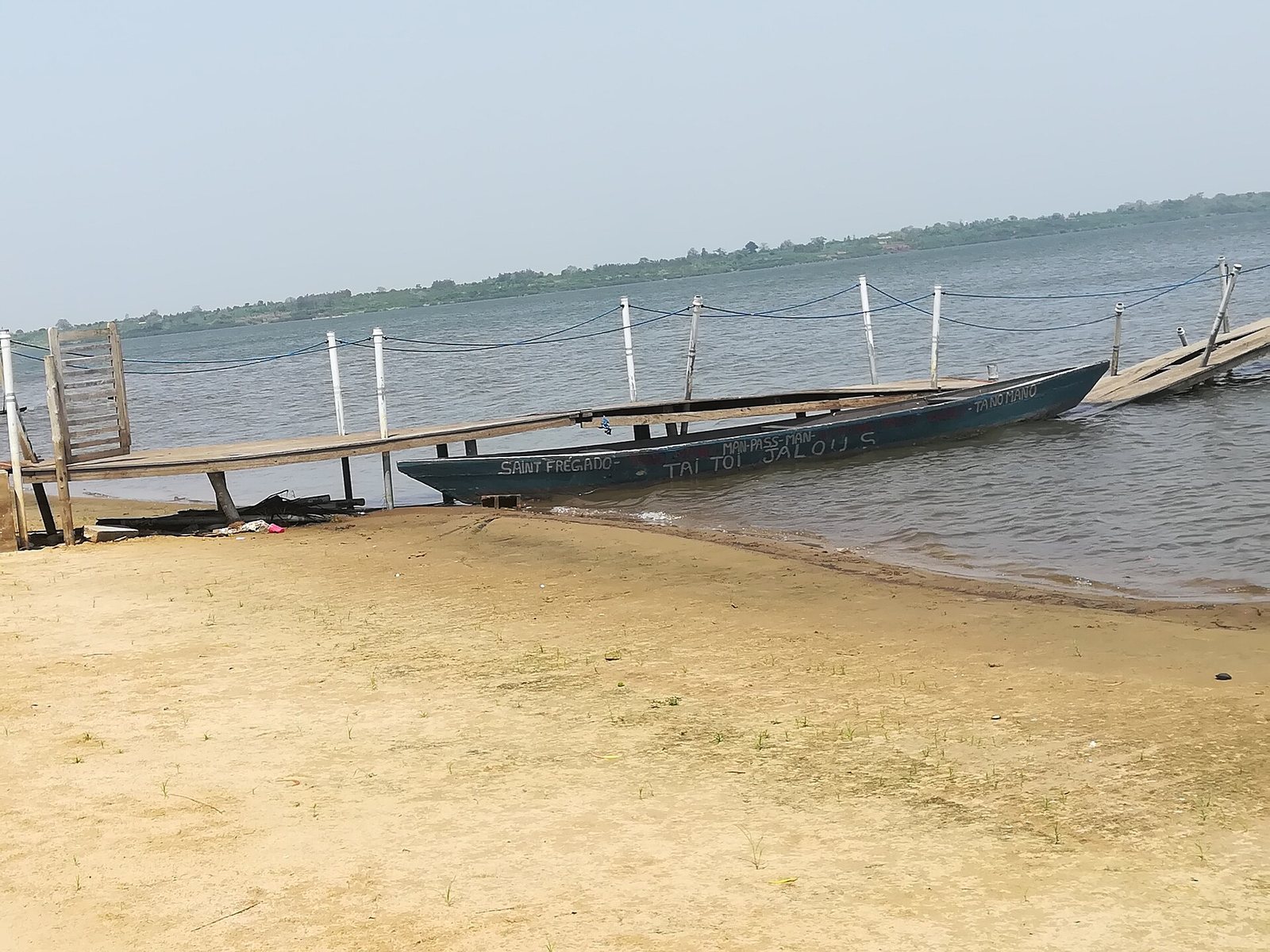
Lake Togo is a shallow lagoon separated from the ocean by a strip of sand. Its southern shore, around **Agbodrafo**, has small hotels, a jetty and pirogue boatmen who take visitors across the water. The lake is calm and swimming in it is common, unlike the dangerous Atlantic nearby. Spending an afternoon by the water, watching fishermen cast nets from dugout canoes, is one of the most relaxing things to do in Togo.
Togoville
On the north shore sits **Togoville**, the village that gave the country its name. In 1884 the German explorer Gustav Nachtigal signed a protectorate treaty here with the local chief, Mlapa III, and the site of the signing is marked with a monument. The village also has a striking Catholic cathedral, a shrine marking a reported apparition of the Virgin Mary, and many Vodun shrines, so you will see the two faiths side by side. Local guides meet boats at the landing and can explain the history and introduce you respectfully.
Agbodrafo and the slave house
In Agbodrafo, the **Maison des Esclaves**, also called the Wood Home, is a small house built in the nineteenth century where enslaved people were held after the official abolition of the trade. A low cellar beneath the house is a sobering place, and a guide explains its history. It is an important visit for many diaspora travellers.
Aného
**Aného** was the first capital of German Togoland, and its streets still hold crumbling colonial and Afro-Brazilian houses, a Protestant church and a lively market. The town sits between the lagoon and the ocean, with colourful fishing boats pulled up on the beach. Nearby **Glidji** is the spiritual home of the Guin people and hosts the **Epe Ekpe** festival each year, usually in September, when the sacred stone is revealed and its colour is read as a sign for the year ahead.
Food and drink
The lagoon means fresh fish and shellfish. Try grilled tilapia or barracuda with akoumé and pepper sauce, fried fish with gari, and crabs when in season. Lakeside hotels serve simple, good plates, and in Aného, maquis near the market sell street food through the day.
Where to stay
Most visitors stay on the southern shore of Lake Togo, where several hotels have gardens, pools or small beaches on the lagoon. Aného has a handful of modest hotels and guesthouses. It is also easy to visit as a day trip from Lomé.
Getting there and around
Taxis and shared cars run along the coastal highway from Lomé to Agbodrafo and Aného. Pirogues across the lake leave from Agbodrafo; agree the fare and the return time before you set off. The border with Benin is just east of Aného at Hilla-Condji.
A suggested day
Leave Lomé early, stop at the Maison des Esclaves in Agbodrafo, then take a pirogue across to Togoville for the treaty monument, the cathedral and the shrines. Return for a late lunch of grilled fish by the water, and spend the afternoon in a hammock before continuing to Aného for the sunset over the fishing boats.
Staying safe
The area is generally calm. Do not swim in the ocean because of strong currents, protect against mosquitoes near the water, and ask before photographing shrines or ceremonies. Use the free trip planner to fit the lake into your route.
Questions about Aného and Lake Togo
Can I visit Lake Togo as a day trip from Lomé?
Yes. It is less than an hour by road, so a day trip to Agbodrafo and a pirogue to Togoville is easy, though staying a night is more relaxing.
Is it safe to swim in Lake Togo?
Locals and visitors swim in the calm lagoon near the hotels. The nearby ocean is dangerous, so do not swim there.
What is the Epe Ekpe festival?
It is the Guin new year celebration at Glidji near Aného, usually in September, when the colour of a sacred stone is revealed as an omen for the year.
Do I need a guide in Togoville?
A local guide is helpful and customary. They explain the history, show you the shrines and make sure you visit respectfully.
Facts checked . Fees, schedules and entry rules change, so always confirm the latest with the official source.