At a glance
- Best for
- Markets, hills and a break on the road north
- Distance from Lomé
- About three to four hours by road
- Time needed
- One to two nights
- Best season
- November to March
- Getting around
- Motorbike taxis and taxis
- Language
- French, Ewe and Ana
Why Atakpamé is worth your time
Atakpamé was an important administrative town in the German era and remains the capital of the Plateaux region. It is a crossroads of Ewe, Ana and other cultures, and its markets bring in produce from the surrounding forest and farms. Because few tourists stop, you see everyday Togolese life without crowds.
Exploring the town
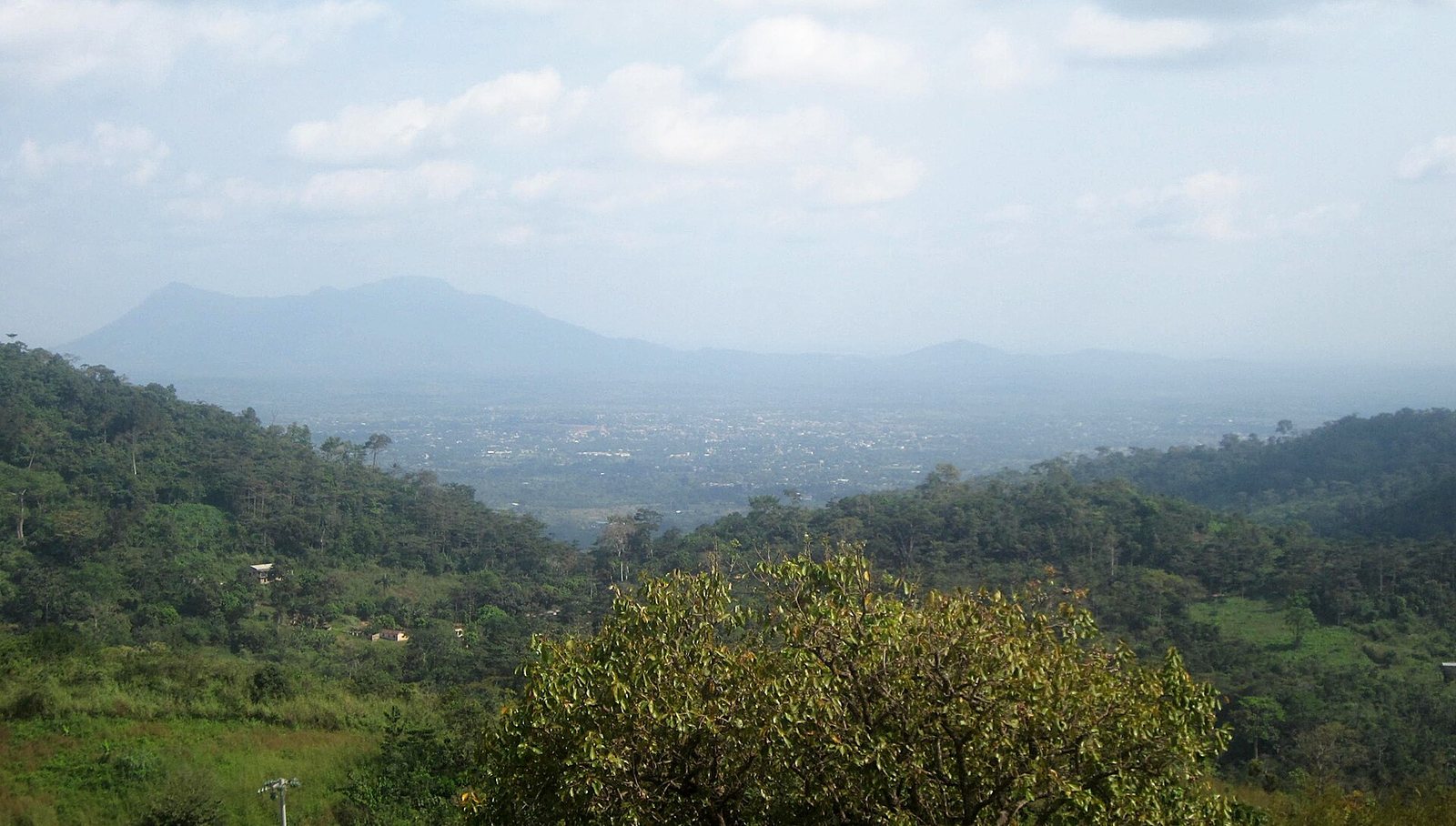
The town is built over several ridges, so walking it means climbing and descending, with views at every turn. The central **market** is busiest on its main market days, when traders arrive from villages across the region with yams, palm oil, cloth and household goods. Look out for colonial era buildings, churches and the old railway station from the line that once linked the town to Lomé.
Waterfalls and forest
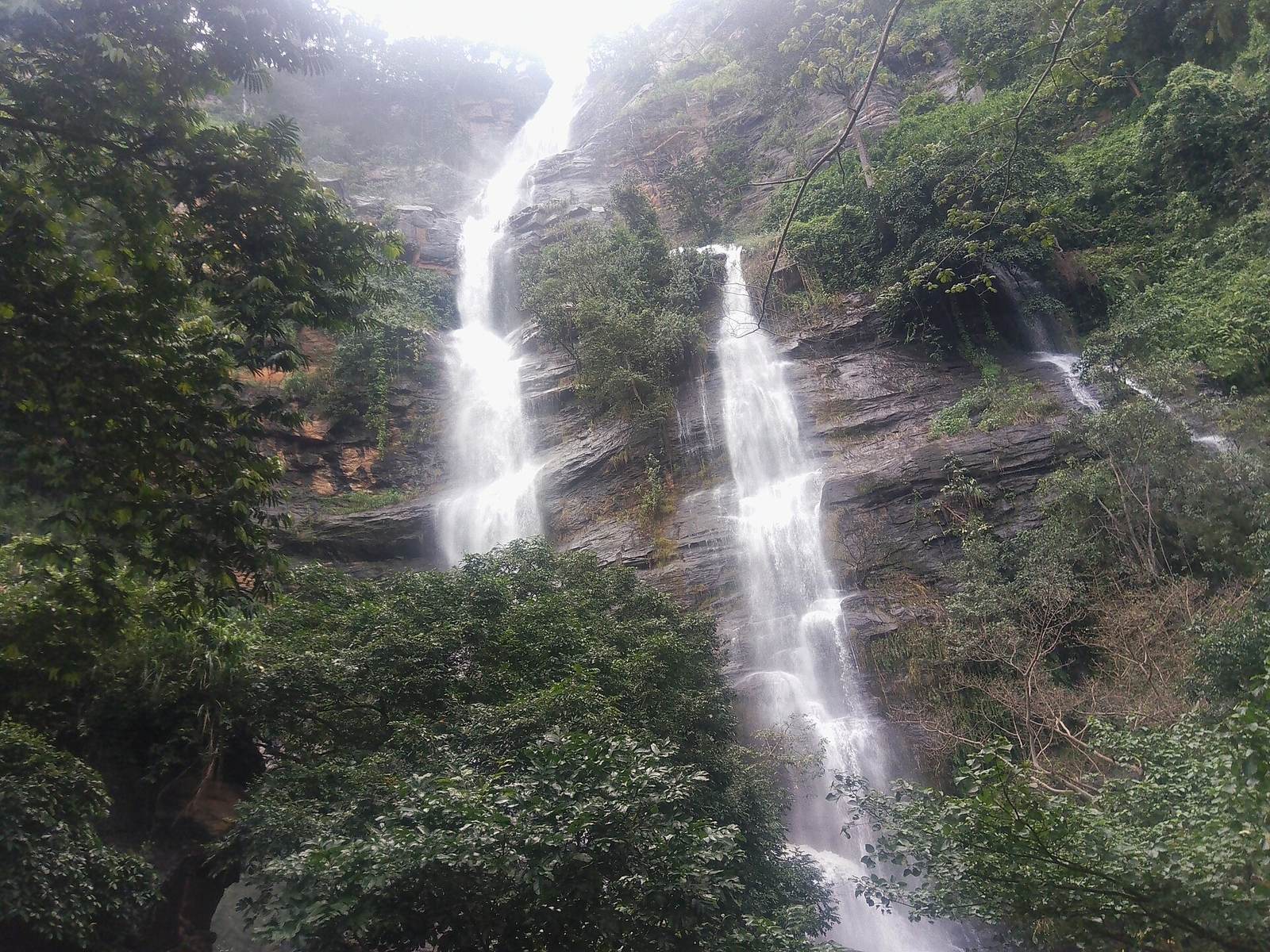
The countryside around Atakpamé is green and hilly, with forests and small waterfalls. The **Akloa waterfall**, near Badou to the west, is one of Togo's most beautiful, reached by a forest walk of about forty minutes, and the forested hills around it are a good area for hiking. Badou itself sits in a coffee and cocoa growing valley close to the Ghana border. Ask locally for a guide and for current path conditions.
The road north
North of Atakpamé, the main road continues through Sokodé, Togo's second city and a centre of Tem culture with a strong Muslim heritage, towards Kara. If you are heading to Kara and Koutammakou, Atakpamé and Sokodé break the journey into easy stages. The Fazao Malfakassa National Park lies west of the road, but visitor facilities are limited, so ask about access before planning a visit.
Food and drink
The Plateaux region grows yams, maize, cassava and fruit, so fufu, akoumé and fresh avocados are everywhere. Try grilled guinea fowl, pintade, and spicy bean dishes from the street stalls. Small maquis around the market serve hearty local plates.
Where to stay
Atakpamé has a handful of modest hotels and guesthouses, some on hillsides with views over the town. Facilities are simpler than in Lomé, so check reviews, bring a torch for power cuts and confirm that your room has a fan or air conditioning and mosquito nets.
Getting there and around
Buses and shared taxis run between Lomé and Atakpamé along the N1 highway. In town, motorbike taxis are the usual way to get around the hills. For trips to Badou and Akloa, hire a taxi for the day and agree the price before you set off.
Who it suits
Atakpamé suits travellers who like slow, local places: walkers, photographers, and anyone heading north who wants to break the long drive. It is less suited to those looking for nightlife or polished hotels, which are found in Lomé. Families will enjoy a waterfall day near Badou, especially in the wetter months when the falls are full, and the cooler hill air is a welcome change from the coast.
Staying safe
Atakpamé is calm and friendly. Road travel is the main risk, so travel by day, choose reputable bus companies and avoid overloaded vehicles. Plan your stages with the free trip planner.
Questions about Atakpamé
Is Atakpamé worth visiting?
Yes, as a stop of a night or two on the road north, or for hiking and waterfalls around Badou. It is quiet, scenic and very local.
How do I get to the Akloa waterfall?
Travel to Badou, then go to the village of Tomegbé where local guides lead the forest walk to the falls. Allow most of a day from Atakpamé.
Is there a train to Atakpamé?
No. The old railway no longer carries passengers, so travel by bus or shared taxi along the main highway.
What is Sokodé like?
Sokodé, north of Atakpamé, is Togo's second city, with a strong Muslim and Tem heritage, busy markets and a famous knife-dancing festival among the Tem.
Facts checked . Fees, schedules and entry rules change, so always confirm the latest with the official source.