At a glance
- Best for
- Hiking, waterfalls, butterflies and crafts
- Distance from Lomé
- About two to three hours by road
- Time needed
- Two to four nights
- Best season
- October to March for drier trails
- Getting around
- Motorbike taxis and hired taxis with a local guide
- Language
- French and Ewe
Why Kpalimé is worth your time
After the heat of the coast, Kpalimé feels like a deep breath. The town itself is a lively market centre for the Plateaux region, and within a short ride you have Mount Agou, the Klouto forest, several waterfalls and villages where cocoa and coffee are grown on small family farms. It is easy to spend several days here doing a different walk each morning and resting in the afternoon heat.
Mount Agou
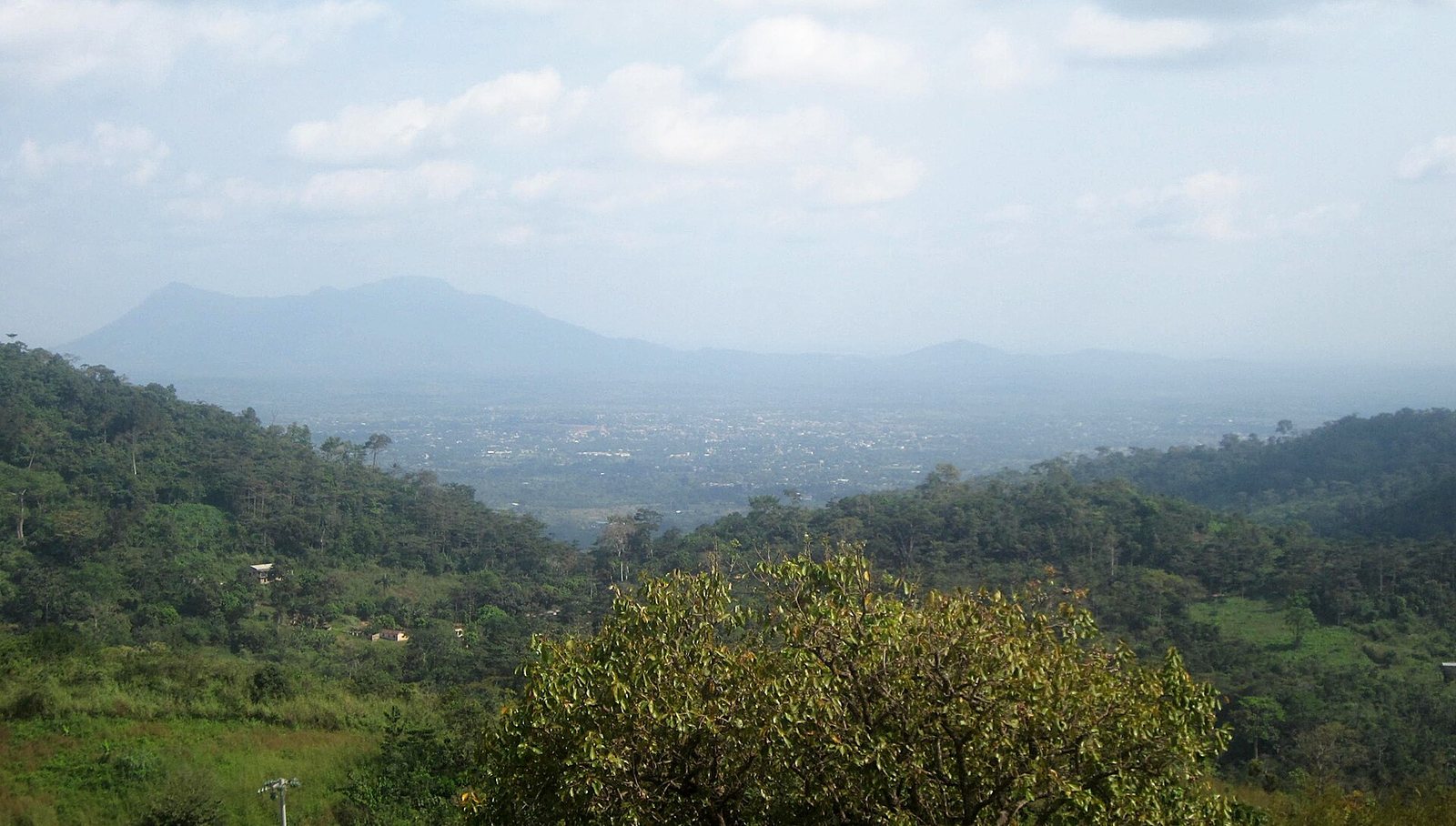
Mount Agou, at nearly a thousand metres, is the highest point in Togo. A road climbs most of the way, and from the top, on a clear day, you can see across to Lake Volta in Ghana. Many visitors walk part of the way through villages and farms with a guide, stopping to see how cocoa pods are opened and dried.
Klouto and the butterfly forest
The hilltop village of Klouto, north west of town, is surrounded by forest famous for its butterflies. Local guides lead walks along forest paths where hundreds of species have been recorded, and they are skilled at spotting them. Go early, wear good shoes and expect mud after rain.
Waterfalls
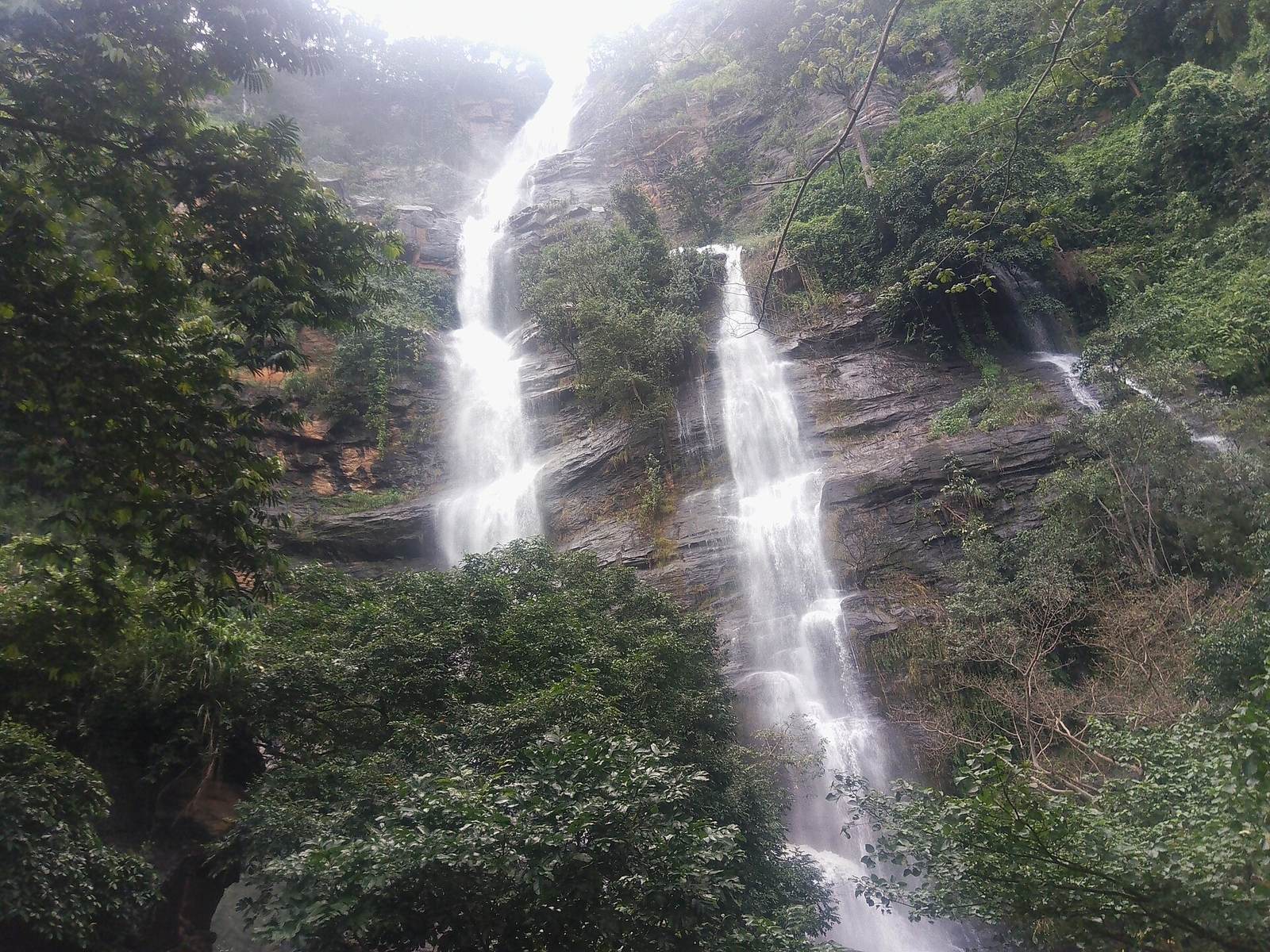
The best known is the **Kpimé waterfall**, a short drive from town, which is at its most impressive in and just after the rainy season. The **Womé waterfall** is reached by a forest walk and has a pool at its base. **Akrowa** and other smaller falls are found on longer hikes. Ask locally about water levels and path conditions, as some falls are a trickle in the dry months.
Crafts and culture
Kpalimé is known across Togo for its artisans. The **Centre Artisanal** has workshops for wood carving, batik, ceramics, weaving and painting, where you can watch the work and buy direct from the makers. Around town, look for bronze casters and painters selling from small studios. The weekly market fills the centre with produce from the hills, and the Catholic cathedral, from the German era, is a reminder of the town's colonial history.
Food and drink
Hill country means good fruit, avocados and fresh cocoa. Try fufu with goat or bush meat sauce, akoumé with fresh greens, and the local palm wine, sodabi, with care. Small maquis around the market serve simple, hearty plates at low cost, and several guesthouses cook well for their guests.
Where to stay
Kpalimé has guesthouses and small hotels in town and on the roads towards Klouto and Mount Agou. Some hill lodges offer cool nights, views and guided walks from the door. Choose somewhere with mosquito nets and check recent reviews before booking.
Getting there and around
Shared taxis and buses run from Lomé, and the trip takes around two to three hours depending on traffic and checks. In and around town, motorbike taxis and hired taxis are the main options. For hikes, use an official or well-recommended local guide, as trails are not always marked.
Staying safe
The Kpalimé area is calm and welcoming. The main risks are slippery trails, heat and insect bites. Carry water, use repellent and tell your guesthouse where you are going. Plan your days with our free trip planner.
Questions about Kpalimé
How far is Kpalimé from Lomé?
It is roughly 120 kilometres, usually two to three hours by road, depending on traffic and stops.
Do I need a guide to hike around Kpalimé?
A local guide is strongly recommended. Trails are rarely marked, and guides know the butterflies, plants and village etiquette.
When are the waterfalls best?
They are fullest during and just after the rains, roughly June to October. In the dry months some slow to a trickle.
Is Kpalimé good for families?
Yes. Short forest walks, butterfly spotting, cocoa farm visits and craft workshops all work well with children.
Facts checked . Fees, schedules and entry rules change, so always confirm the latest with the official source.