At a glance
- Best for
- Culture, architecture, festivals and landscapes
- Gateway
- Niamtougou airport, or road from Lomé
- Time needed
- Three to four nights
- Best season
- November to February
- Getting around
- Hired taxi with a local guide
- Language
- French, Kabiyè and Ditammari
Kara
Kara is a planned city with wide streets, a big market and a calm, orderly feel. It is the heartland of the Kabiyè, and the surrounding hills are dotted with terraced fields and villages. Each July, the **Evala** wrestling festival takes place in the Kara region, a coming-of-age ritual in which young men wrestle in front of huge crowds, and it is the best-known festival in the north. Ask locally for the dates, as they are set each year.
Around Kara
The villages around Kara are known for their crafts and traditional skills. At **Tcharè** and other villages, blacksmiths still work iron by hand, and the hill landscapes of the Kabiyè massif are terraced and farmed in traditional ways. The **Sarakawa** park, north of the city, has been used for wildlife viewing in the past, but check with local operators whether it is open to visitors.
Koutammakou
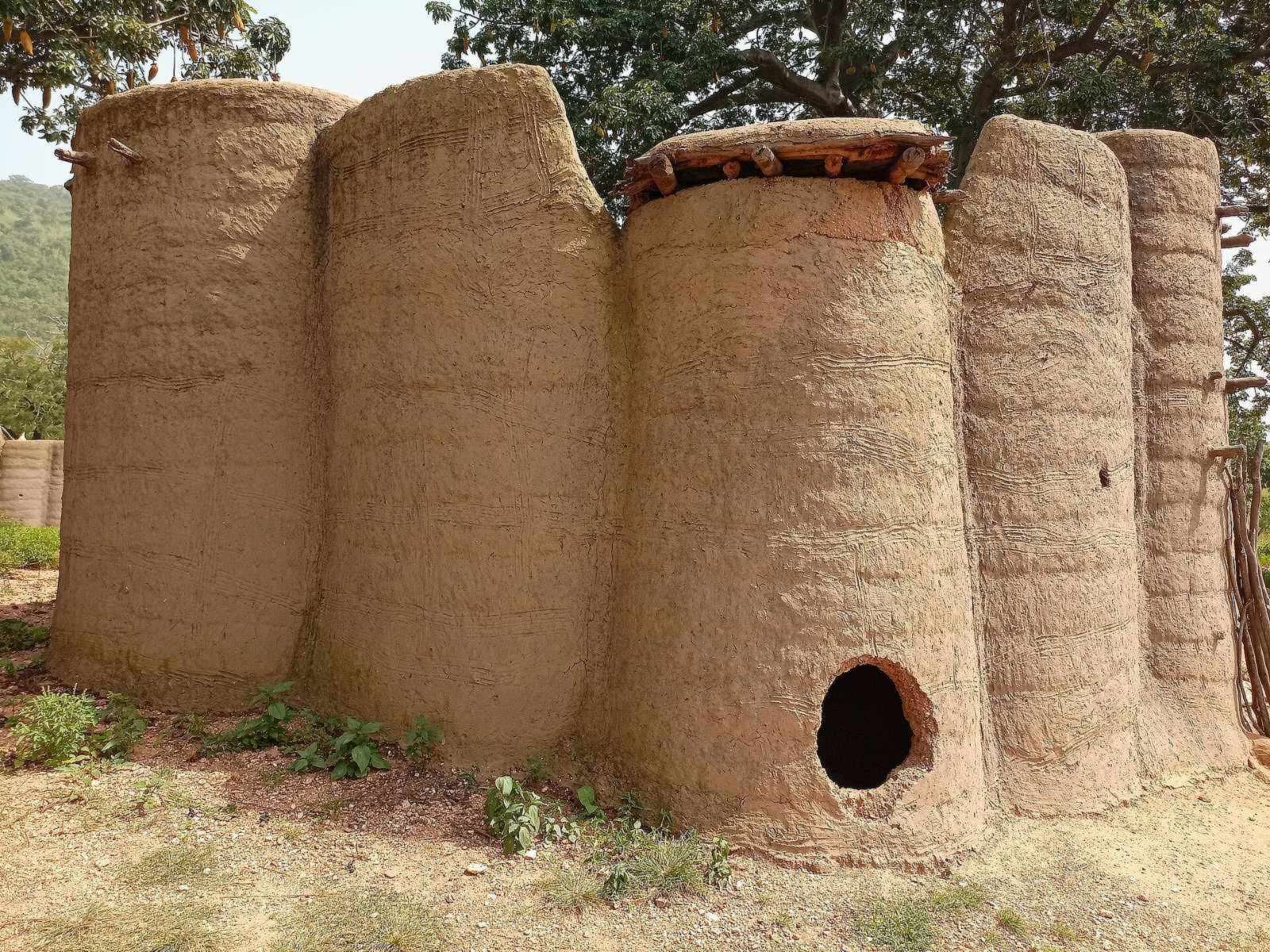
**Koutammakou, the Land of the Batammariba**, is a UNESCO World Heritage landscape that stretches across the border into Benin. The Batammariba, sometimes called the Tamberma, build mud tower houses called **takienta**, two storey homes with granaries topped by thatched roofs, that look like small castles. Their design carries deep spiritual and social meaning, from the shrines at the entrance to the way rooms are arranged for people, animals and stored grain. The valley sits east of Kara, and the usual entry point is the village of **Nadoba**, where local guides arrange visits.
Visiting is a privilege. Families still live in the houses, so go with a guide, ask before taking photographs and follow local customs. Your guide will explain how to enter a house, what each part is used for and how to thank the family.
Food and drink
The north has its own flavours. Try fufu and pâte with peanut or baobab leaf sauce, grilled guinea fowl, and tchoukoutou, the millet beer brewed and sold by women in markets and courtyards. Street stalls in Kara sell kebabs and fried yams in the evening.
Where to stay
Kara has a range of modest to mid-range hotels, some with pools and gardens. In Koutammakou itself, facilities are basic, and most visitors stay in Kara and visit on a long day trip, though simple community stays are sometimes possible. Ask your guide.
Getting there and around
The drive from Lomé to Kara takes most of a day along the main highway, usually broken with a night in Atakpamé or Sokodé. Niamtougou airport, north of Kara, has had irregular domestic and regional flights, so check current schedules. For Koutammakou, hire a taxi or a car and driver locally for the day.
Respecting local customs
Bring small gifts only if your guide suggests it, dress modestly, greet elders first and always ask before photographing people, shrines or houses. A guide's fee often supports the community, so use a recognised local guide.
Staying safe
Government travel advice warns against travel to the Savanes region in the far north, near the Burkina Faso border, and some advice extends to parts of the area close to it. Kara itself has been calmer, but the situation can change. Read your government's latest advice before booking, travel by day, and follow local instructions. Plan carefully with the free trip planner and send questions through our contact page.
Questions about Kara and Koutammakou
Is it safe to travel to Kara?
Kara has generally been calm, but advice warns against the far north near Burkina Faso. Check your government's current advice for the Kara region before booking.
Can I stay in a takienta?
Occasionally guides can arrange a simple stay, but most visitors stay in Kara. Ask a local guide in Nadoba what is possible.
When is the Evala festival?
Evala usually takes place in July in the Kara region. Dates are set each year, so confirm locally before planning.
How long does it take to get to Kara?
The road from Lomé takes most of a day, so many travellers break it with a night in Atakpamé or Sokodé.
Facts checked . Fees, schedules and entry rules change, so always confirm the latest with the official source.