At a glance
- Best for
- Colonial architecture, beaches and a break on the road east
- Getting there
- Road from Dili along the north coast
- Time needed
- One or two nights
- Best season
- May to November
- Nearby
- Venilale, Laga and Mount Matebian
- Good to know
- ATMs exist but bring cash
Why visit Baucau
Baucau is the natural first stop on any trip to the east of the country, and it rewards a night or two of its own. It is cooler and calmer than Dili, the old town has a real sense of history, and the beaches below the plateau are among the prettiest on the north coast.
The old town
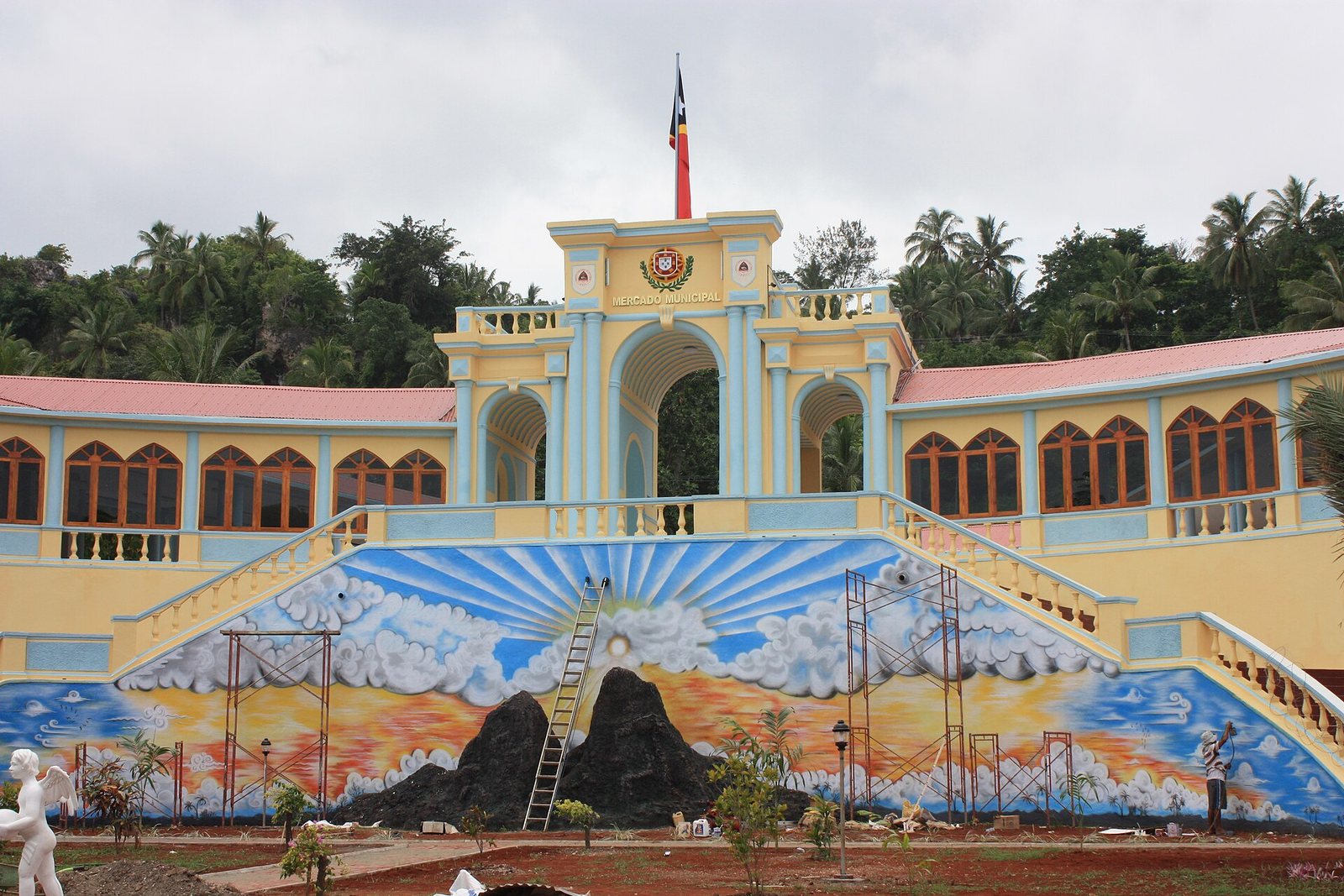
The heart of old Baucau is the grand colonial market building, the Mercado Municipal, with its arches and pastel walls. Nearby, the Pousada de Baucau, a pink Portuguese era guesthouse, has a terrace looking out to sea and is a pleasant place for lunch even if you stay elsewhere. A spring rises among the trees here and feeds a public pool where local children swim. Walk the lanes in the late afternoon when the light is soft.
The new town
Up the hill, the new town has the main market, banks, shops, the cathedral and most of the everyday services. It is the place to restock on water, fuel and snacks before heading further east.
The beaches
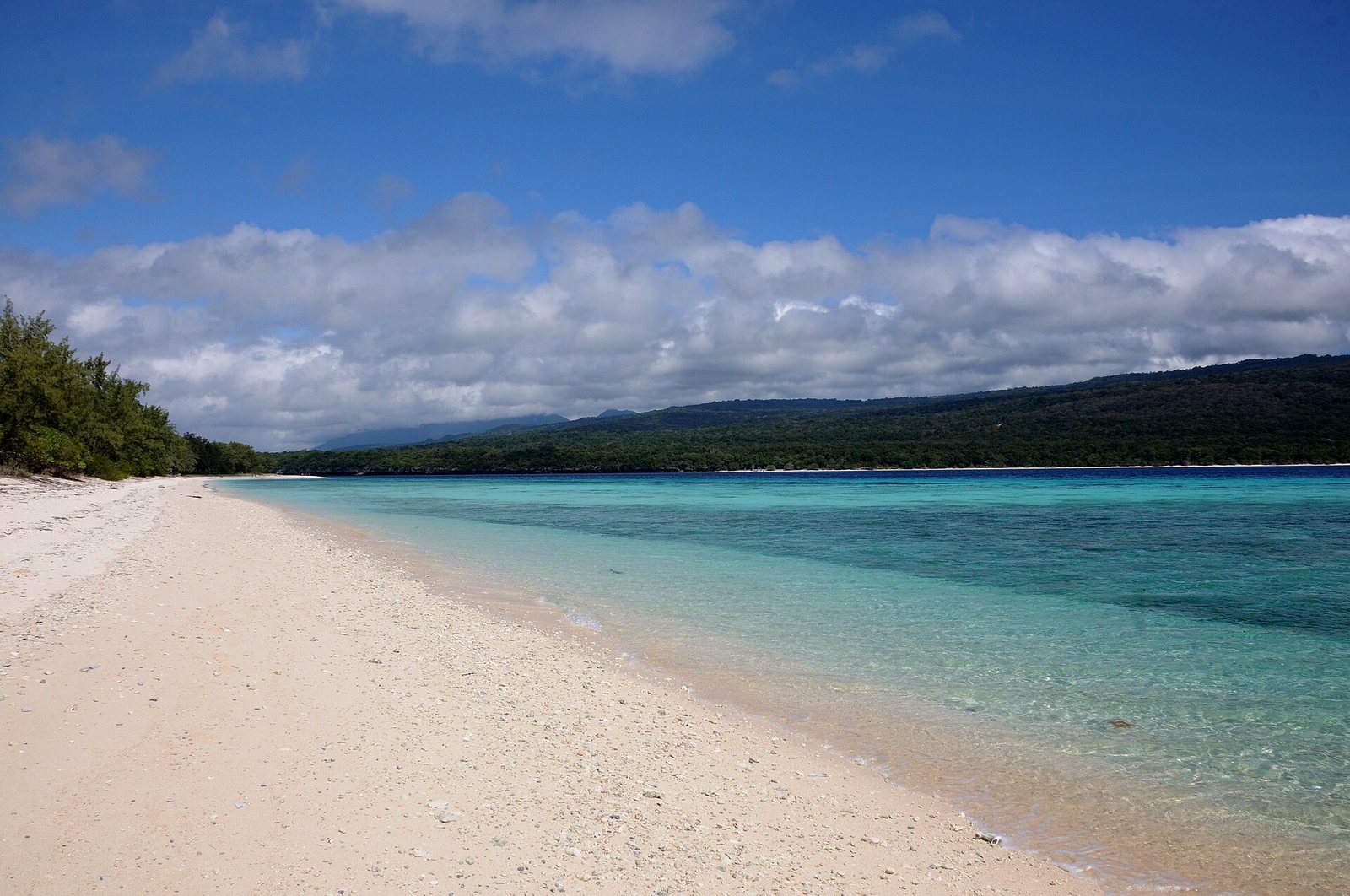
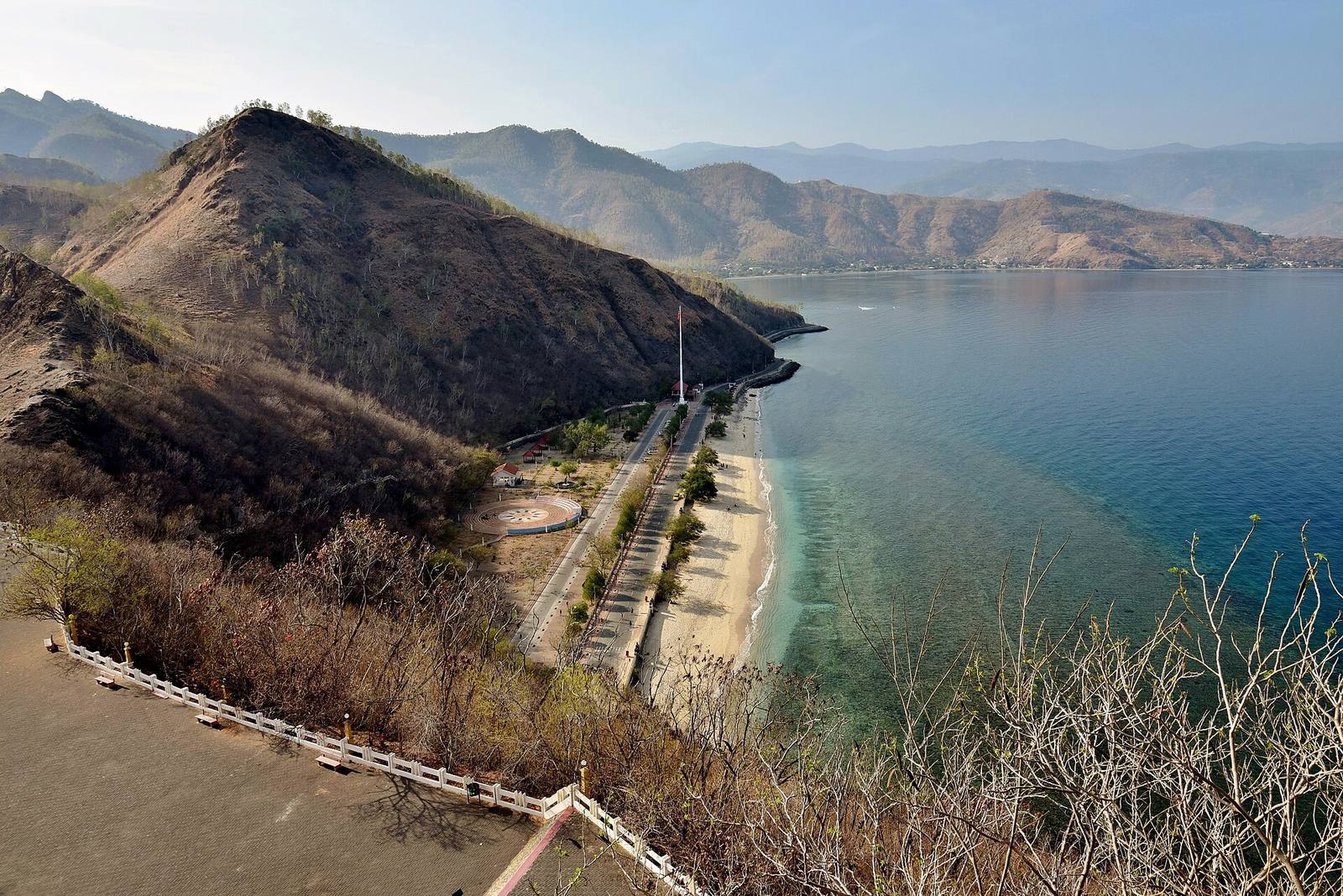
A winding road descends from the plateau to the coast. Osolata and Wataboo beaches have white sand, turquoise water and shady trees, and are busy with families on Sundays and almost empty on weekdays. Swim only where locals swim, avoid river mouths and stay alert for crocodiles, which live along this coast.
Day trips from Baucau
Venilale, a hill town to the south, has tunnels dug during the Japanese occupation in the Second World War and a peaceful old church. Mount Matebian, the mountain of the dead, rises further south; pilgrims climb it around All Souls' Day in early November. Along the coast road east, Laga has striking traditional houses and fishing villages.
Getting there and around
The drive from Dili follows the coast through Manatuto. Road works have improved much of it, but expect potholes, landslips in the wet season and slow stretches. Public buses and minibuses leave from Dili's eastern bus terminal, mostly in the morning. Many travellers arrange private transport through their accommodation or a tour operator. In town, microlets and taxis are easy to find.
Where to stay and eat
The Pousada de Baucau is the classic choice, with a pool and sea views. A few simpler hotels and guesthouses in the new town suit tighter budgets. Food is mostly simple: rice, grilled fish, vegetables and noodles at market stalls, plus the pousada's restaurant for a more relaxed meal.
A sample visit
Leave Dili early and stop for a swim and lunch on the coast near Manatuto. Arrive in Baucau in the afternoon, check into the old town and walk around the market building and the spring before sunset. The next morning, drive down to Osolata or Wataboo for a swim while the water is calm and the beach is quiet, then return to town for lunch. In the afternoon, either continue east towards Com and Tutuala or head south into the hills to Venilale. If you are visiting family, Baucau is also a good base for trips to villages across the municipality, which most Timorese from the east still call home.
Who will love Baucau
Baucau suits travellers who enjoy faded colonial towns, quiet beaches and slow mornings. It is less suited to anyone wanting nightlife or a wide choice of restaurants.
Questions about Baucau
How far is Baucau from Dili?
It is a few hours by road along the north coast, depending on road works, weather and stops. Leave in the morning and allow extra time in the wet season.
Is Baucau worth visiting?
Yes, as a stop on the way east or for a quiet night or two. The old town, the beaches and the cooler air make it a welcome change from Dili.
Can I swim at Baucau's beaches?
Yes, Osolata and Wataboo are popular with locals. Swim where others swim, avoid river mouths and murky water, and ask about recent crocodile sightings.
Facts checked . Fees, schedules and entry rules change, so always confirm the latest with the official source.