At a glance
- Best for
- History, beaches, diving and food
- Airport
- Presidente Nicolau Lobato International Airport (DIL)
- Time needed
- Two to three days
- Best season
- May to November
- Languages
- Tetum, Portuguese, Indonesian and some English
- Getting around
- Taxis, microlets and walking
Why visit Dili
Dili is where nearly every trip begins and ends. It has the only major international airport, the widest choice of hotels and restaurants, the best museums and the boats to Atauro. Few tourists come, so you see a working capital rather than a resort, and Timorese people are usually friendly and curious about visitors.
Cristo Rei and the beaches
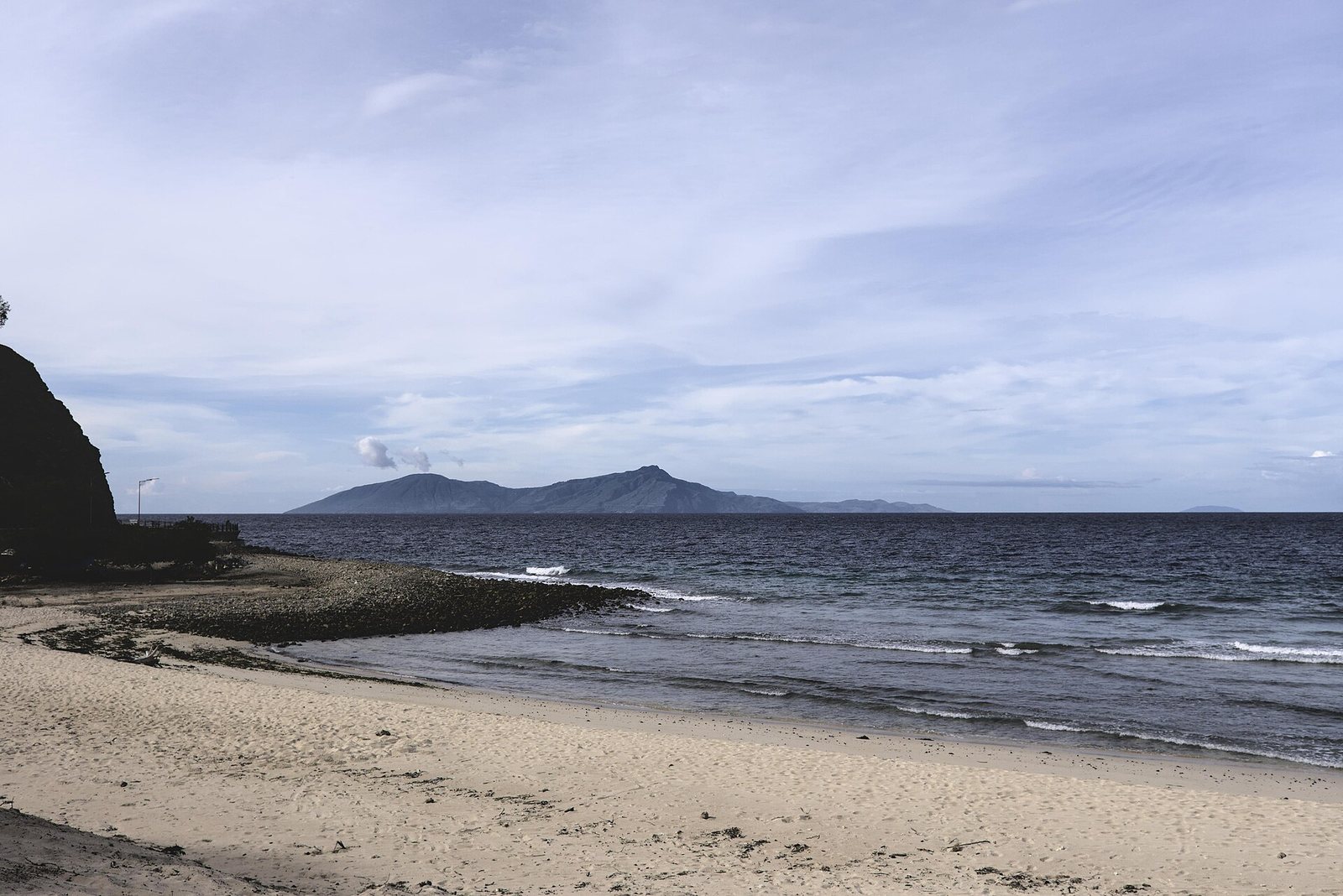
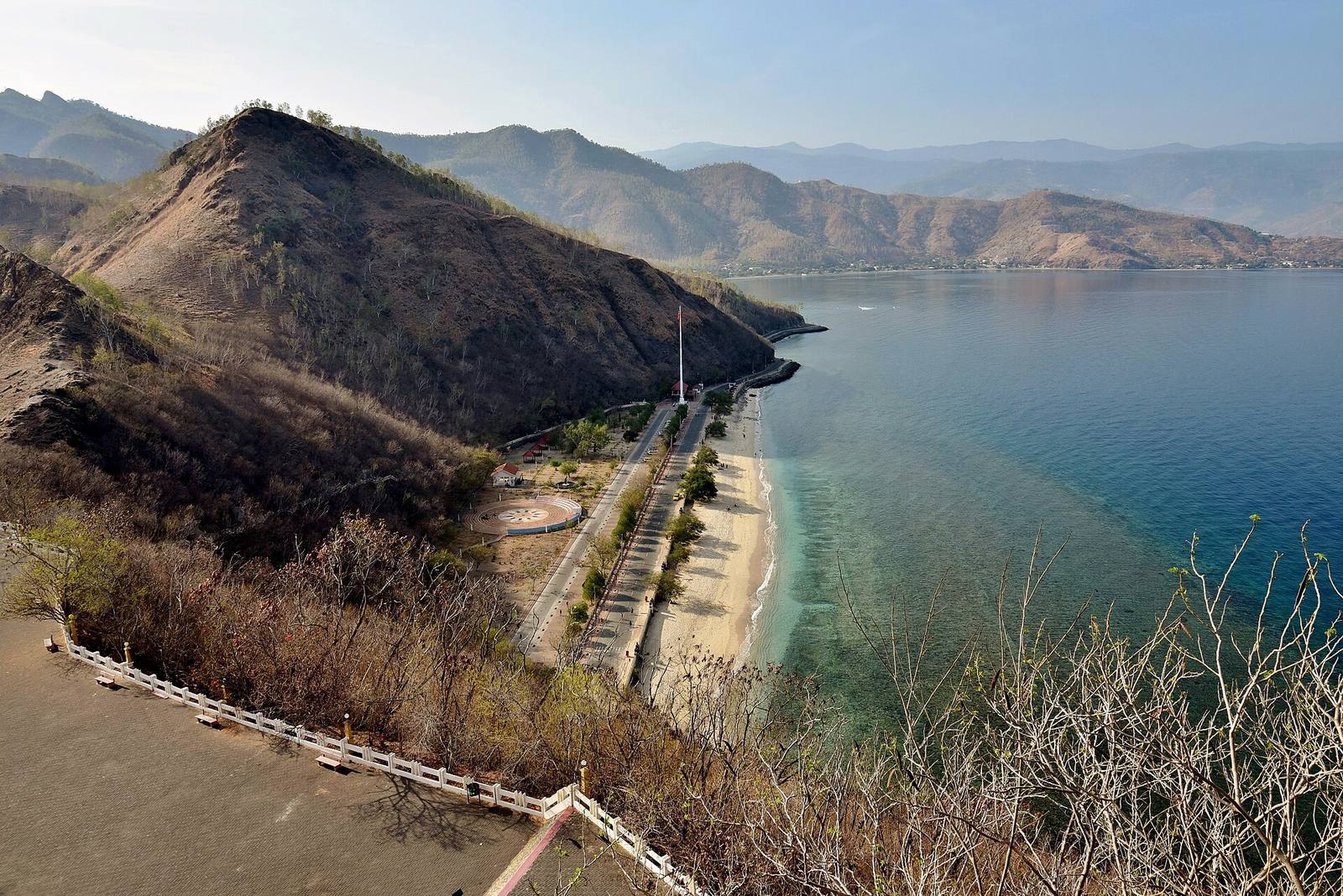
At the eastern end of the bay, the Cristo Rei statue stands on a globe on Cape Fatucama. A path of several hundred steps, with the Stations of the Cross along the way, climbs to the top for views over the city and the sea. Go early in the morning or late in the afternoon to avoid the heat. Below the statue on the far side lies Back Beach, a lovely curve of sand that locals call Jesus Backside Beach, good for swimming when the sea is calm. Closer to town, Areia Branca has shady trees, simple seafront restaurants and the famous sunset bar scene.
Understanding the history
The Timorese Resistance Archive and Museum tells the story of the 24 years of Indonesian occupation and the fight for independence through photographs, documents and personal objects. Centro Nacional Chega!, in a former prison at Balide, presents the findings of the truth and reconciliation commission. Santa Cruz Cemetery, where Indonesian troops opened fire on mourners in 1991, is a quiet and important place to pay respects. Together they explain why Timorese people are so proud of their nation.
The waterfront and old town
Walk the seafront from the white Palácio do Governo past Motael Church, the oldest in the city, towards the lighthouse at Farol. At Lecidere, families gather at sunset to eat grilled corn and buy fresh coconuts. The Immaculate Conception Cathedral, consecrated by Pope John Paul II, is busy on Sundays, and the Tasitolu salt lakes on the western edge mark the site of his 1989 mass.
Markets and shopping
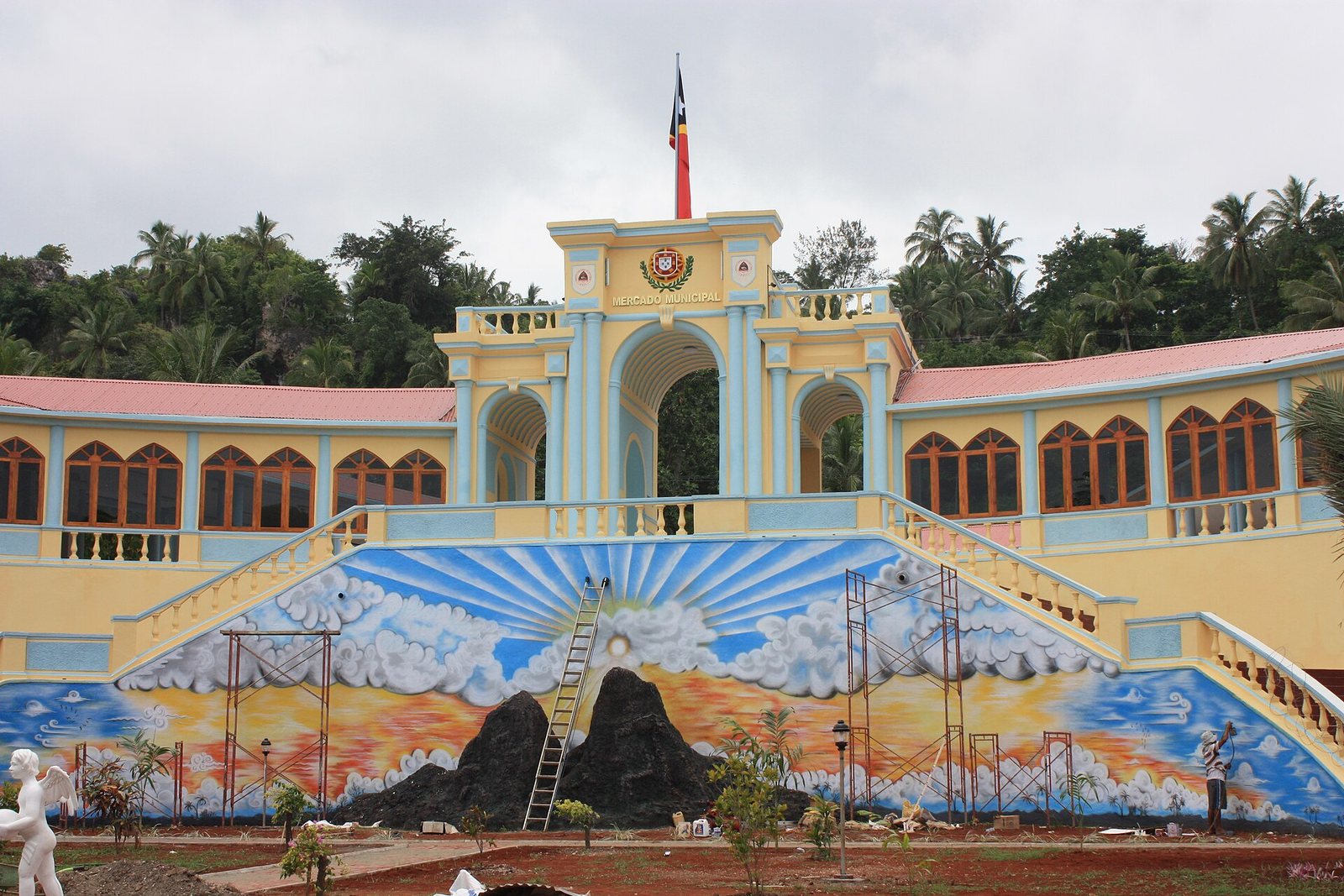
Tais Market is the place to buy tais, the handwoven textiles that each region weaves in its own patterns. Taibessi is the big fresh market for fruit, vegetables and spices, and Timor Plaza in Comoro has a supermarket, phone shops, ATMs and a food court. Buy coffee from Ermera or Letefoho to take home: it is some of the best organic arabica in Asia.
Diving, whales and the sea
Dili's coast has remarkably good shore diving and snorkelling, with coral starting a few metres from the beach. Local dive centres run trips along the coast and across to Atauro. From around October to December, blue whales, pilot whales and large pods of dolphins pass through the deep Wetar Strait right off the city, and boat trips go out to look for them.
Food and drink
Dili's food scene mixes Timorese, Portuguese, Indonesian and Australian influences. Try grilled fish on the beach road at dusk, batar daan (corn with beans and pumpkin), Portuguese style bread and coffee, and the many Indonesian style warung counters. Social enterprise kitchens train young Timorese chefs and serve modern takes on local ingredients.
Getting around
The city is spread out along the coast. Taxis are cheap and plentiful, but agree the fare before you get in, as there are no meters in practice. Microlets, small minibuses with numbered routes, cost very little and run until early evening. Walking is fine along the waterfront by day. After dark, take a taxi rather than walking.
Staying safe
Dili is generally calm, but petty theft and bag snatching happen, and occasional fights between youth groups can flare up, particularly at night. Avoid demonstrations, keep valuables out of sight and follow your government's current travel advice. Swim only at popular beaches and never in river mouths, where saltwater crocodiles are a real risk along the coast.
Questions about Dili
How long should I spend in Dili?
Two or three days is enough to climb to Cristo Rei, visit the Resistance Museum and Chega!, shop at Tais Market and enjoy a beach sunset. Divers may want longer, and most travellers return to Dili between trips to Atauro, the mountains and the east.
Is Dili walkable?
The waterfront and central area are pleasant to walk by day, but the city is spread out and hot. Use taxis for longer trips and after dark.
Can you swim in Dili?
Yes, at popular beaches such as Areia Branca and Back Beach when the sea is calm. Avoid river mouths and murky water because saltwater crocodiles live along the coast, and ask locals about recent sightings.
Where should I stay in Dili?
The central waterfront suits first-timers, with easy access to museums, cafés and the ferry. Areia Branca and Lecidere put you near the beaches, and the Comoro area is handy for the airport.
Facts checked . Fees, schedules and entry rules change, so always confirm the latest with the official source.