The River Gambia at Banjul, The GambiaPhoto: Forbes Johnston from Winchester, UK, CC BY 2.0, via Wikimedia Commons
Find your Bliss in The Gambia
The Gambia, made simple: the Smiling Coast, its river and its roots, without the worry
The Gambia is a slim ribbon of land wrapped around a great West African river, with golden Atlantic beaches, mangrove creeks full of birds, busy markets and some of the most moving heritage sites on the continent. It is small, English speaking and easy to love. This guide answers the questions about entry, money, getting around and safety so your trip feels calm from day one.
Your trip, step by step
- Before you flyEntry rules, money, seasons and health, answered with official sources
- LandingBanjul International Airport at Yundum and your first hour on the coast explained
- Your days in The GambiaBeaches, birding, markets, the river and Kunta Kinteh Island
- Home againDeparture tips so the last day is as easy as the first
Where to go, eat and stay
- Plain answersClear, honest guidance on the questions first-timers actually ask.
- Official sourcesEntry, health and safety facts point you to the official pages to confirm.
- No price surprisesWe explain what costs more and what costs less, so your budget holds.
- Free to useEvery guide and the trip planner are free.
Our promise
The Gambia calls itself the Smiling Coast, and your trip should feel that way too. We answer the tricky questions about visas, taxis, the dalasi and beach hustlers before they start, so you arrive ready to find your Bliss.
Coming from London, Atlanta, New York, Madrid or Stockholm to see family in Serrekunda, Brikama or upcountry? This guide was written with you in mind too.
How to use this guide
Four steps from first idea to a trip that feels easy.
- Choose your basesThe resort coast at Kololi and Bakau, the quieter south coast, Banjul's history or the river upcountry: start with the destinations that fit you.
- Sort the essentialsEntry rules for your passport, dalasi and cards, the right season, malaria advice and travel insurance, checked against official sources.
- Pick your placesUse our places to visit list for beaches, birding spots, restaurants, markets and stays.
- Plan your routeUse the free trip planner to fit coast, creeks and river into your dates without wasted days.
Everything your Gambia trip needs
Free tools and guides for every stage of the journey.
Destinations
Banjul, the resort coast, the south coast, Kunta Kinteh Island and the upper river, each explained in depth.
Explore destinationsPlaces to visit
More than a hundred beaches, reserves, markets, restaurants and lodges, from classics to hidden corners.
See places to visitFlights and stays
Search flights into Banjul and stays along the coast and upriver.
Plan travelPlaces finder
Restaurants, sights and stays mapped around each base.
Open the finderFree trip planner
Tell us your dates and interests and shape a route that works.
Plan my tripAsk a question
Stuck on something the guide does not answer? Send us a note.
Contact us
The classic Gambia trip
Beach, birds and the river in one easy trip
Most first trips start on the Atlantic coast between Bakau and Kololi, with lazy beach days, fresh fish and the monkeys of Bijilo. Add a morning at Abuko or Tanji for birds, a day on the river to Kunta Kinteh Island and Juffureh, and if you have time, a few nights upriver at Janjanbureh among hippos, chimpanzee islands and ancient stone circles.
- Wide sandy beaches from Cape Point to Kartong
- Over five hundred bird species in a country you can cross in a day
- Kunta Kinteh Island, a UNESCO site at the heart of the Roots story
- Hippos, chimpanzee islands and the Wassu stone circles upriver
Start with the destinations
See how Banjul, the coast, the river and the upcountry fit together.
Gambia destinationsWhere to go in The Gambia
A historic capital, a lively resort coast, quiet southern beaches, the Roots heritage sites and a wild upper river.
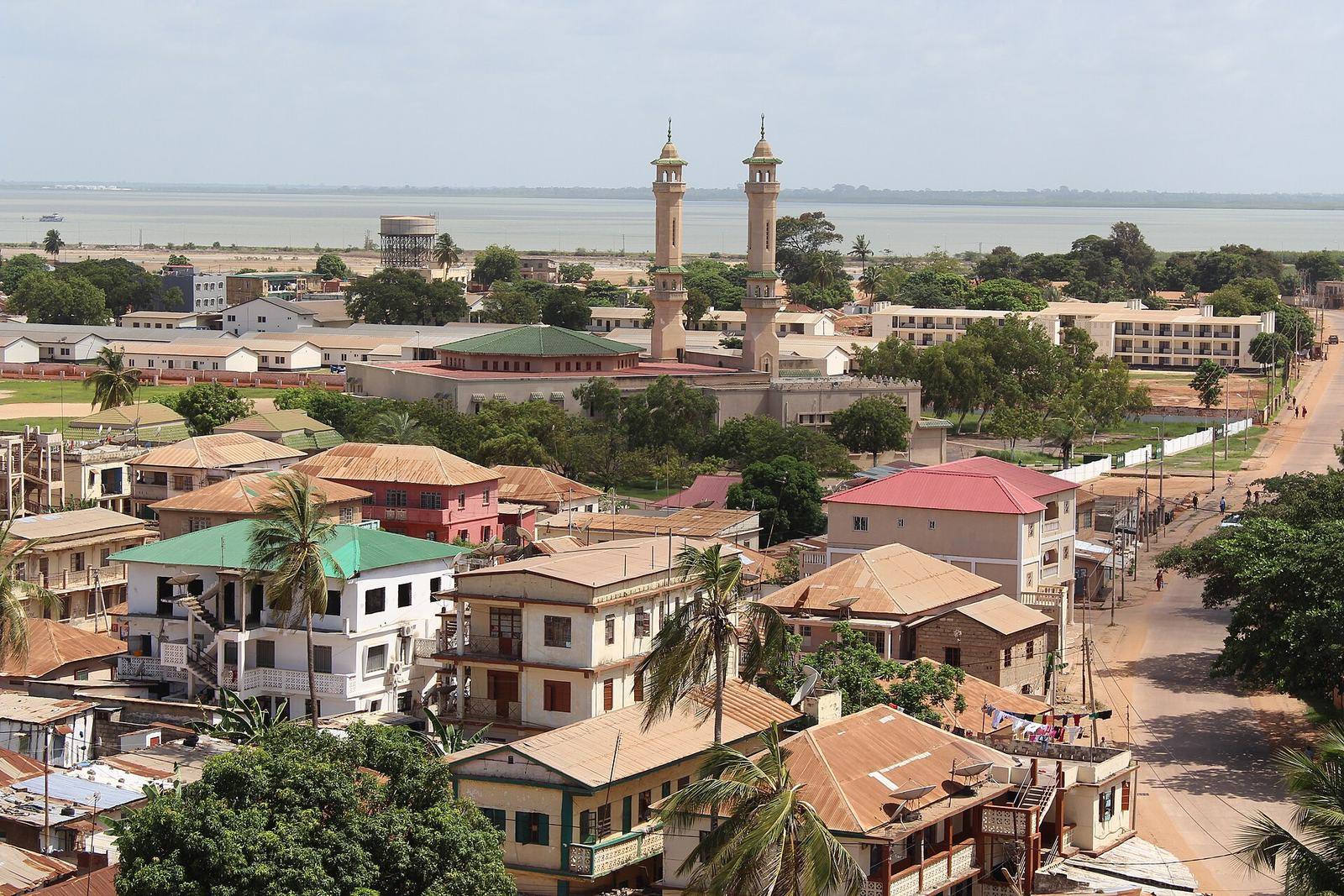
St Mary's Island, river mouth
Banjul
A compact island capital with Arch 22, the National Museum, Albert Market and colonial streets, best seen on a day trip from the coast.
Read the guidePhoto: IsaacTuray, CC0, via Wikimedia Commons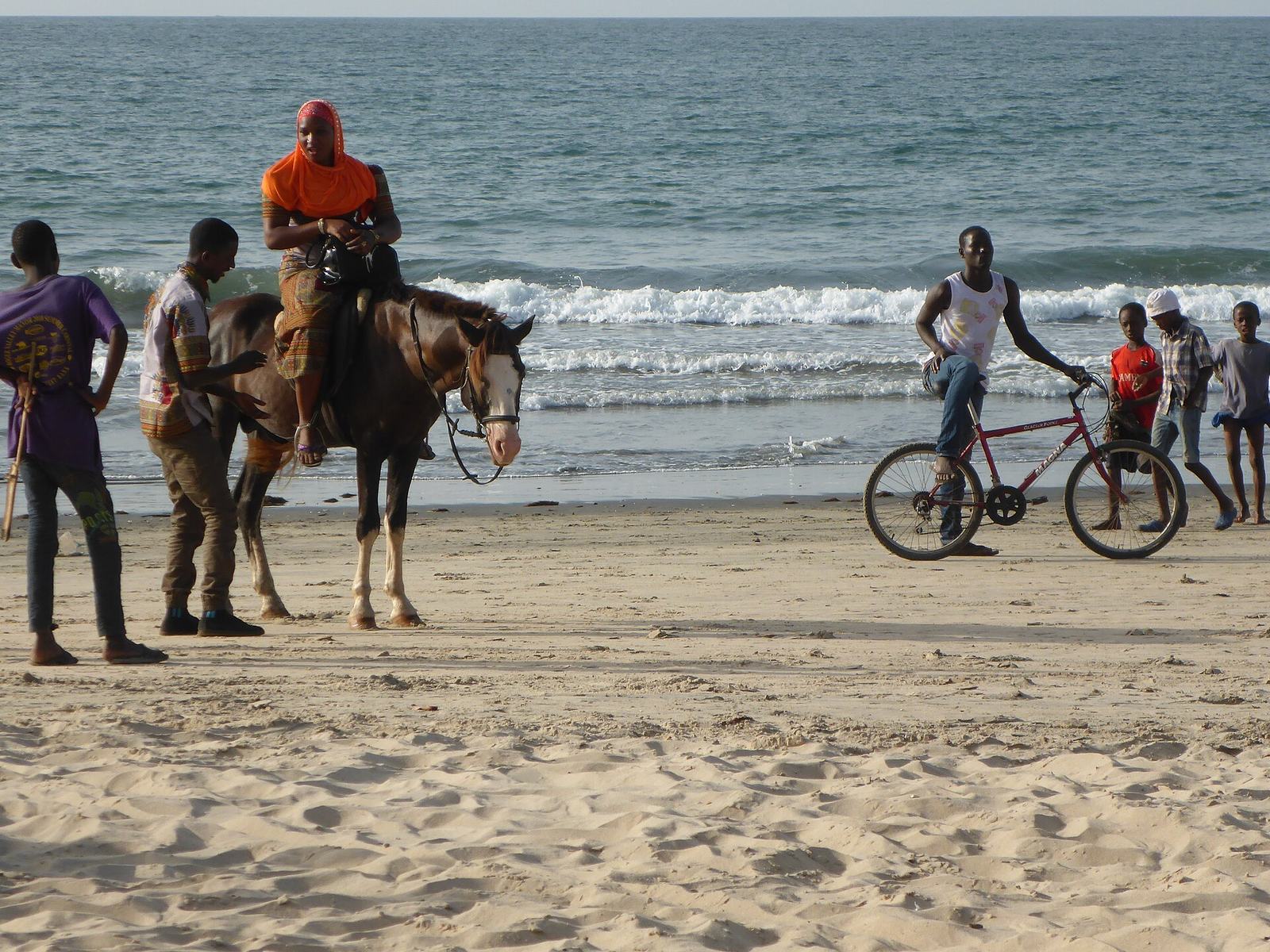
Atlantic coast, Kanifing and Kombo
Kololi and the resort coast
The country's main holiday strip, with long beaches, the Senegambia Strip, Bijilo monkeys, the Kachikally crocodile pool and most of the hotels.
Read the guidePhoto: tjabeljan, CC BY 2.0, via Wikimedia Commons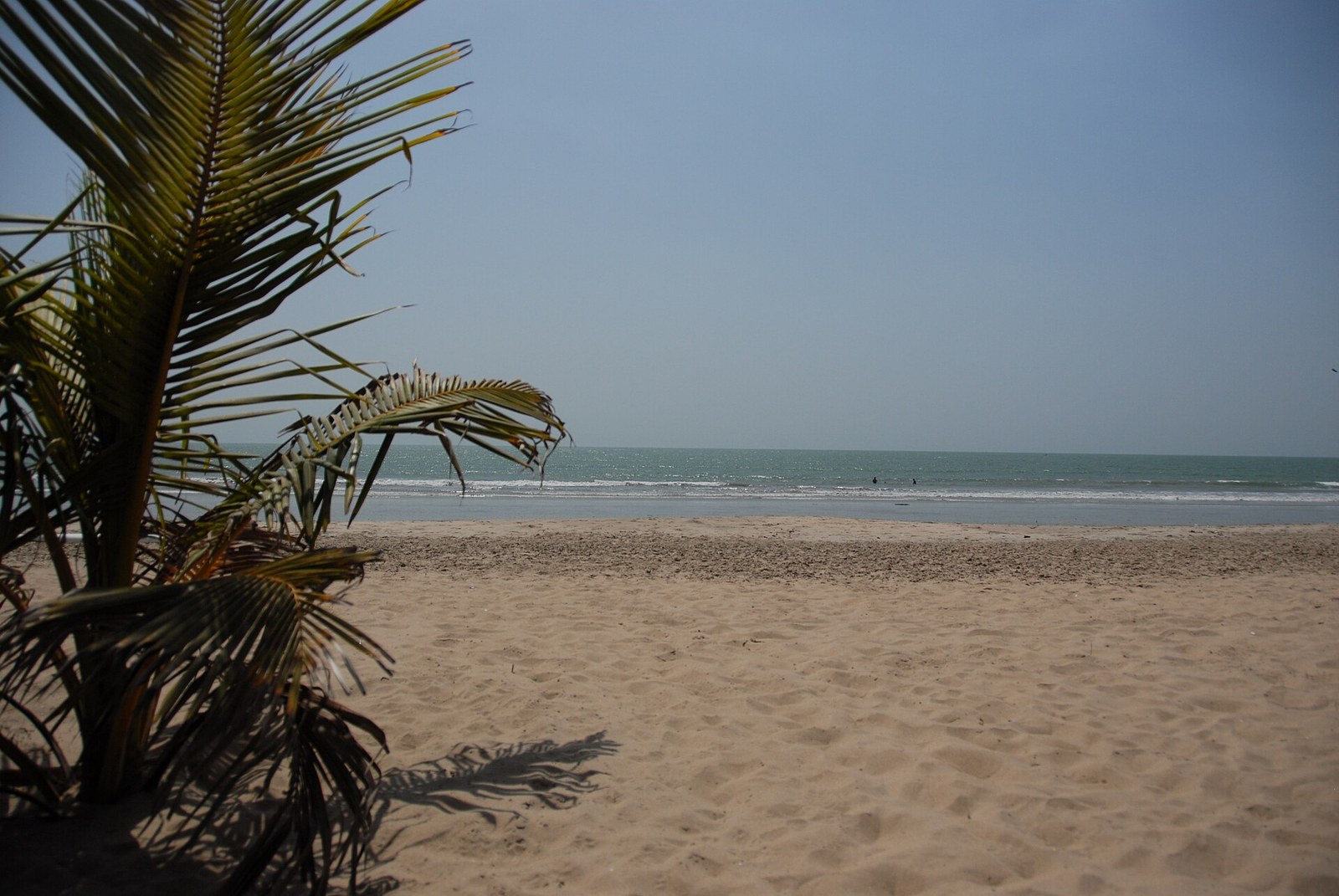
West Coast Region
The south coast
Fishing villages, colourful boats, empty beaches and eco lodges between Tanji and the Senegal border at Kartong.
Read the guidePhoto: Mike Rosenberg from London, England, CC BY 2.0, via Wikimedia Commons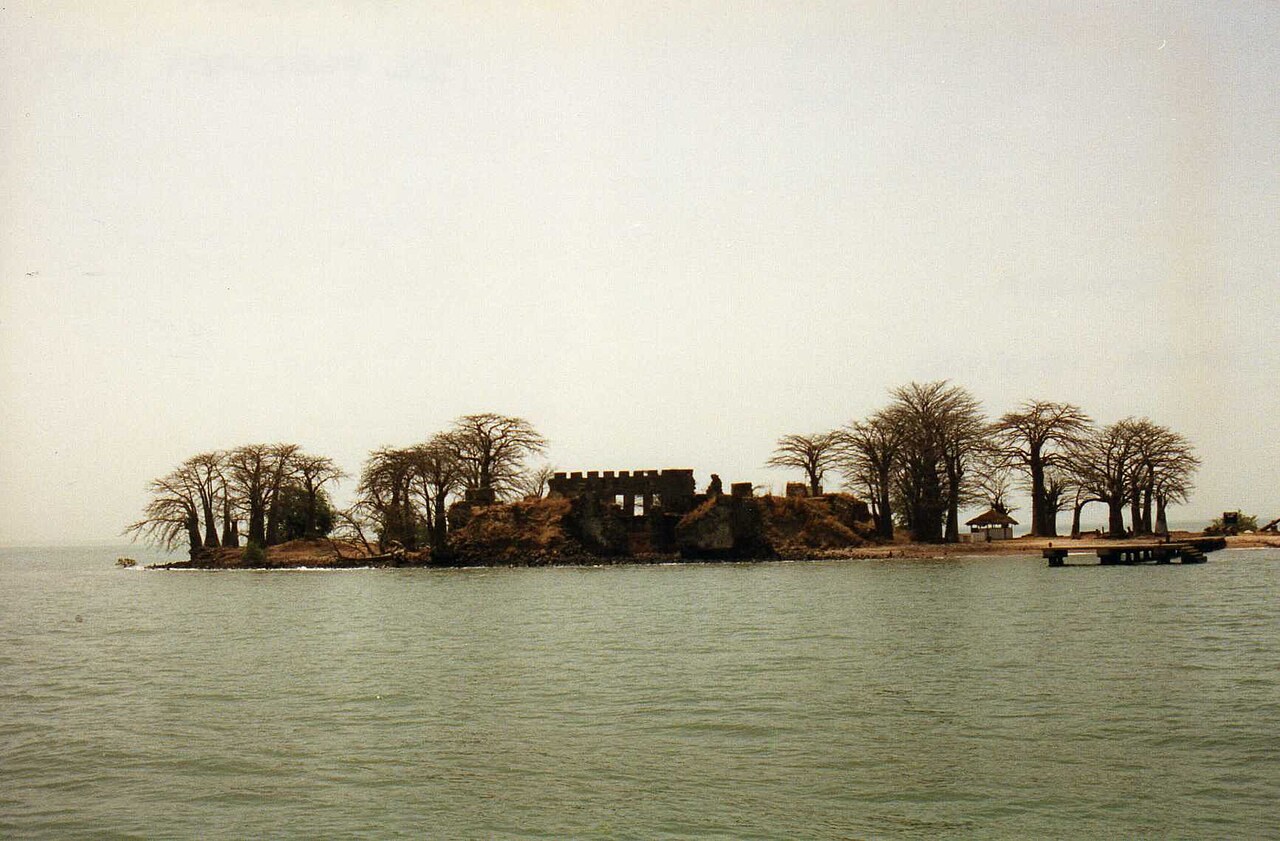
North Bank Region, River Gambia
Kunta Kinteh Island and Juffureh
A UNESCO World Heritage Site on the river and the villages of Juffureh and Albreda, central to the history of the Atlantic slave trade.
Read the guidePhoto: Leonora (Ellie) Enking from East Preston, United Kingdom, CC BY-SA 2.0, via Wikimedia Commons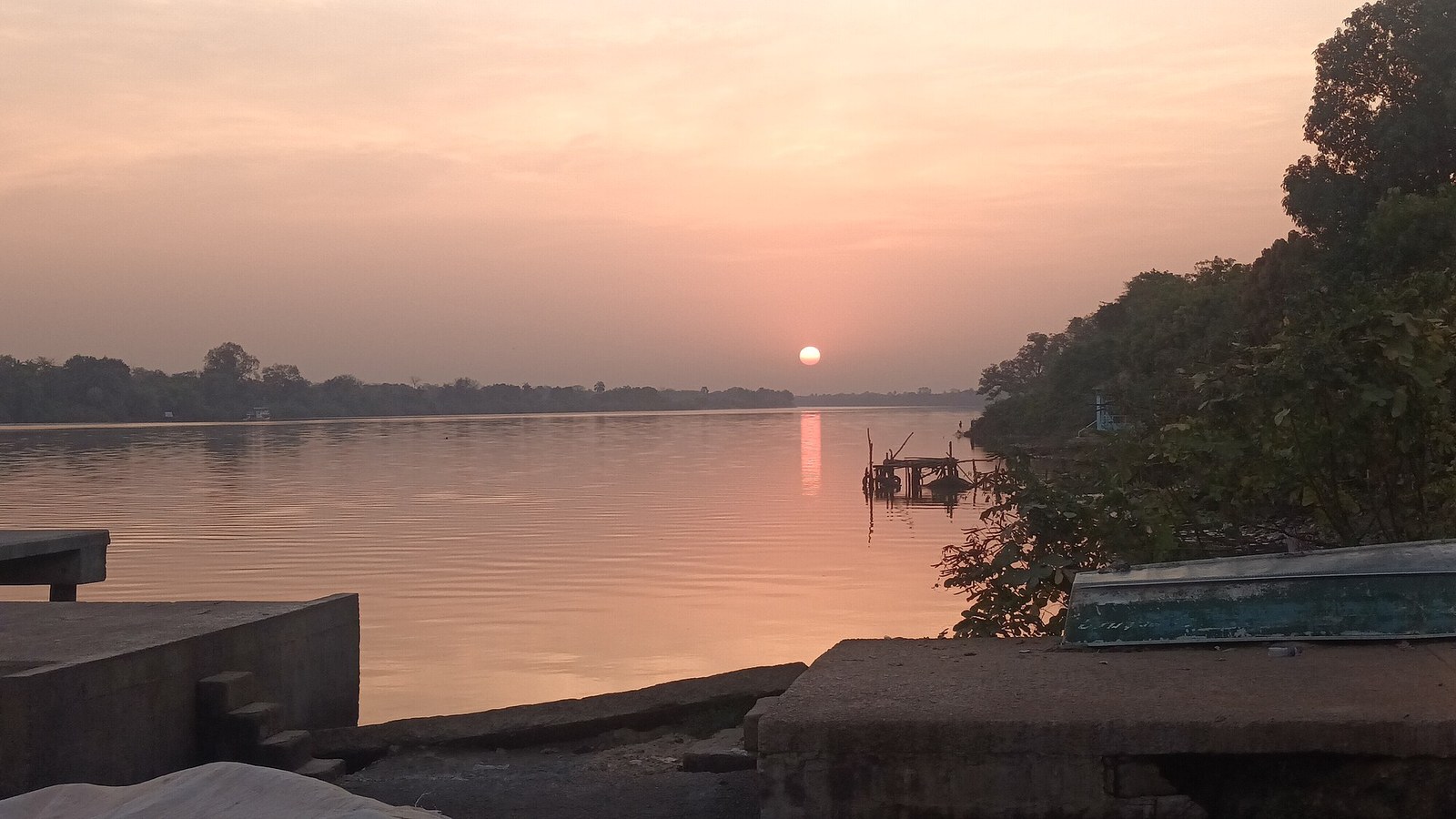
Central River Region
Janjanbureh and the upper river
A sleepy river island town, hippos and chimpanzee islands, the Wassu stone circles and some of the best birding in West Africa.
Read the guidePhoto: Josefito123, CC0, via Wikimedia Commons
A note from our founder
A note from our founder
My first time visiting Kenya, I was genuinely surprised with how fast it began feeling like home. The people are so friendly, the food is delicious and familiar, and the accommodations are modern and upscale.
During my travels throughout the continent, I commonly hear tourists share stories about being scammed or taken advantage of, which is both frustrating and disheartening.
Living in Kenya for the last 2 years, I have had the great fortune to meet a network of wonderful Kenyans who have continuously help guide my family's journey. Their shared knowledge has not only greatly enhanced our overall experience here, but it has also saved us tons of time, energy, and resources.
With BlissPoint Travel, my hope is to build a global community that is willing to share useful, uncommon knowledge so that we can all blissfully enjoy the wonders our world has to offer.
Questions we hear most
Is The Gambia safe for visitors?
It is generally a peaceful and welcoming country. The main nuisances are pushy beach hustlers, known locally as bumsters, and petty theft in markets and on quiet beaches after dark. Use registered taxis at night, keep valuables out of sight and read your own government's current travel advice before you go.
Do I need a visa for The Gambia?
Many nationalities, including ECOWAS and most Commonwealth citizens, can visit for short stays without a visa, while others need one or must apply in advance. Rules differ by passport and change, so check the Gambia Immigration Department and your own government's advice before booking.
What language is spoken in The Gambia?
English is the official language, used in government, schools and tourism. Mandinka, Wolof and Fula are spoken daily, and a simple greeting such as salaam aleikum or nanga def is warmly received.
What currency is used in The Gambia?
The Gambian dalasi. ATMs work in Banjul and the coastal towns and larger hotels take cards, but carry cash for taxis, markets and anywhere upriver, where ATMs are scarce.
When is the best time to visit The Gambia?
The dry season from November to May is the most popular, with sunny days, cooler evenings and the best birding. The rainy season, roughly June to October, is hot, humid and green, with fewer visitors and lower hotel rates.
How many days do I need in The Gambia?
A week covers the coast, a day trip to Kunta Kinteh Island and a morning of birding. Ten days to two weeks lets you add a few nights upriver at Janjanbureh and the quieter south coast.
Ready to find your Bliss in The Gambia?
Use the free trip planner to turn ideas into a route that fits your dates and budget.