At a glance
- Best for
- Wildlife, birding, history and slow river life
- Gateway
- Banjul International Airport (BJL), five to seven hours by road
- Time needed
- Two to four nights
- Best season
- November to April
- Getting around
- Arranged driver, bush taxi or river boat
- Highlights
- Chimp islands, hippos, Wassu stone circles
The town
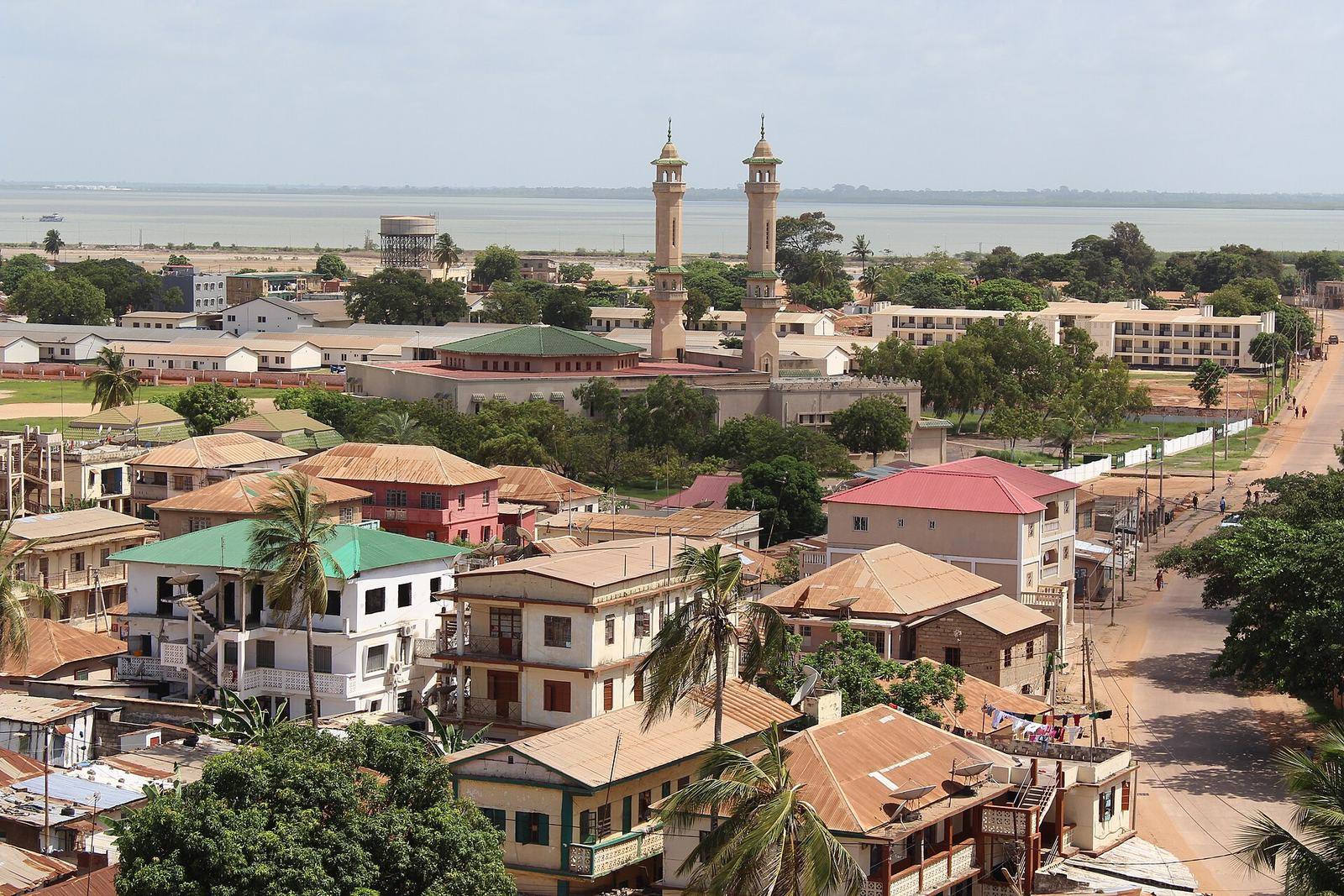
Janjanbureh was founded by the British in the 1820s as a trading post and later became a centre for freed slaves and missionaries. Today it is a small, friendly town with crumbling colonial buildings, a lively market and a riverside where ferries and pirogues come and go. Local guides show visitors the **old slave house** and the **Freedom Tree**, linked to the history of the trade and its abolition. Check the history they give with an open mind, as local stories vary.
River Gambia National Park
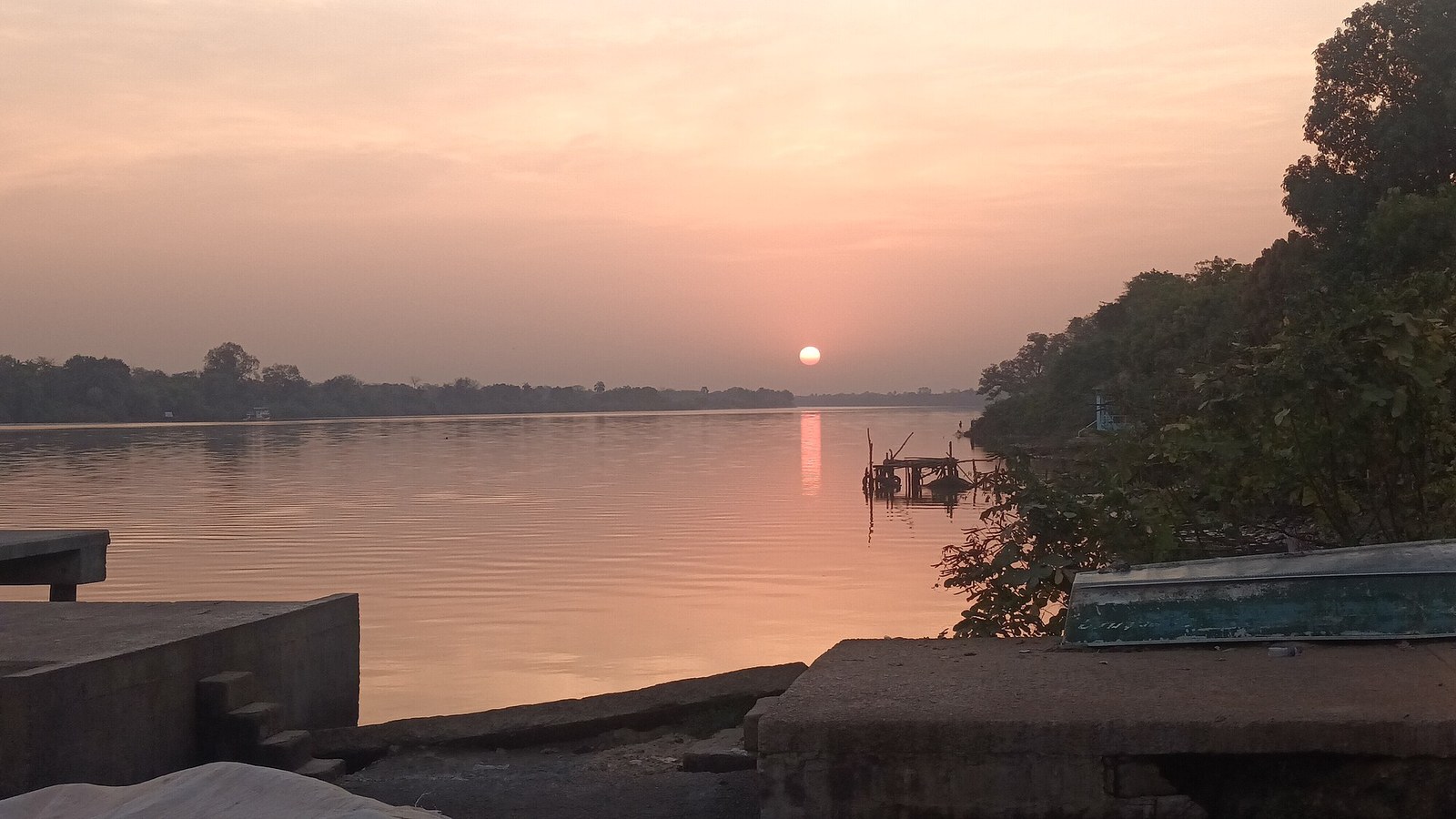
A short way downstream, the **River Gambia National Park** includes the **Baboon Islands**, home to chimpanzees reintroduced by the Chimpanzee Rehabilitation Project since 1979. Visitors cannot land on the islands, but boat trips glide past their shores, and with luck you will see chimps in the trees along the bank. The river here also has **hippos**, crocodiles and a superb range of birds. Trips are usually arranged through lodges or the project's own camp.
Wassu stone circles
About twenty kilometres north of the river, the **Wassu stone circles** are part of the UNESCO listed Stone Circles of Senegambia, the largest concentration of stone circles in the world. These upright laterite stones mark burial sites over a thousand years old. A small museum explains what is known and much that remains a mystery.
Birding upriver
The upper river is a highlight for birders, with species rarely seen on the coast, such as Egyptian plover in the dry season, carmine bee eaters and many raptors. Combine Janjanbureh with stops at **Tendaba**, near **Kiang West National Park**, and the **Bao Bolong Wetland Reserve** on the way.
Getting there
The main South Bank Road from the coast is paved most of the way, though sections can be rough. By private vehicle the drive takes five to seven hours with stops. Bush taxis and buses also run but are slow and crowded. Some lodges and tour companies offer river cruises upstream over several days, a memorable but slower option. Janjanbureh itself is reached by short ferries or bridges from the banks.
Where to stay
Accommodation is simple: riverside camps and small lodges with fans, mosquito nets and sometimes limited power. Book ahead in the dry season. Bring a torch, cash and anything you need, as shops and ATMs are limited.
When to go
November to April is best, with dry roads and cooler mornings. From March it gets very hot inland, often far hotter than the coast. The rainy season makes some roads difficult and brings more mosquitoes.
Health and safety
The upper river is peaceful, but healthcare is basic. Take malaria prevention seriously, carry a first aid kit and drink bottled or treated water. Check your government's travel advice before you go.
Combining it
Most travellers come for two to four nights as part of a longer trip from the resort coast. A good loop goes upriver by the south bank and returns along the north bank, stopping at Kunta Kinteh Island and Juffureh. Our free trip planner can help you plan it.
What to pack
Light long sleeves for evenings and mosquitoes, a hat, binoculars, a headtorch, a power bank and enough cash for the whole stay.
Questions about Janjanbureh and the upper river
Can I see chimpanzees in The Gambia?
Yes, from a boat in the River Gambia National Park near Janjanbureh. Landing on the islands is not allowed, but chimps are often seen along the banks.
How long does it take to reach Janjanbureh?
Around five to seven hours by road from the coast, depending on stops and road conditions. River cruises take longer.
Are there ATMs in Janjanbureh?
Do not count on it. Bring enough dalasi from the coast for your whole stay upriver.
What are the Wassu stone circles?
Ancient burial monuments of upright laterite stones, part of the UNESCO listed Stone Circles of Senegambia, with a small museum on site.
Facts checked . Fees, schedules and entry rules change, so always confirm the latest with the official source.