At a glance
- Best for
- History, markets and a taste of everyday city life
- Gateway
- Banjul International Airport (BJL), about forty minutes away
- Time needed
- One full day
- Best season
- November to May
- Getting around
- On foot in the centre, taxis from the coast
- Language
- English, Wolof and Mandinka
What to see in Banjul
**Arch 22** is the city's gateway, a tall triumphal arch built to mark the 1994 coup. You can climb to the viewing gallery for wide views over the rooftops, the river and the mangroves, and there is a small museum inside. Opening hours vary, so ask on arrival.
A short walk away, the **National Museum of The Gambia** is the best introduction to the country, with displays on Mandinka and Wolof culture, traditional instruments such as the kora, the slave trade and independence. It is modest in size but well worth an hour.
**Albert Market** is the beating heart of Banjul: fabric stalls, tie dye, spices, dried fish, baskets and a craft section at the back. It is crowded and loud in the best way. Go in the morning, carry small notes and keep your bag in front of you.
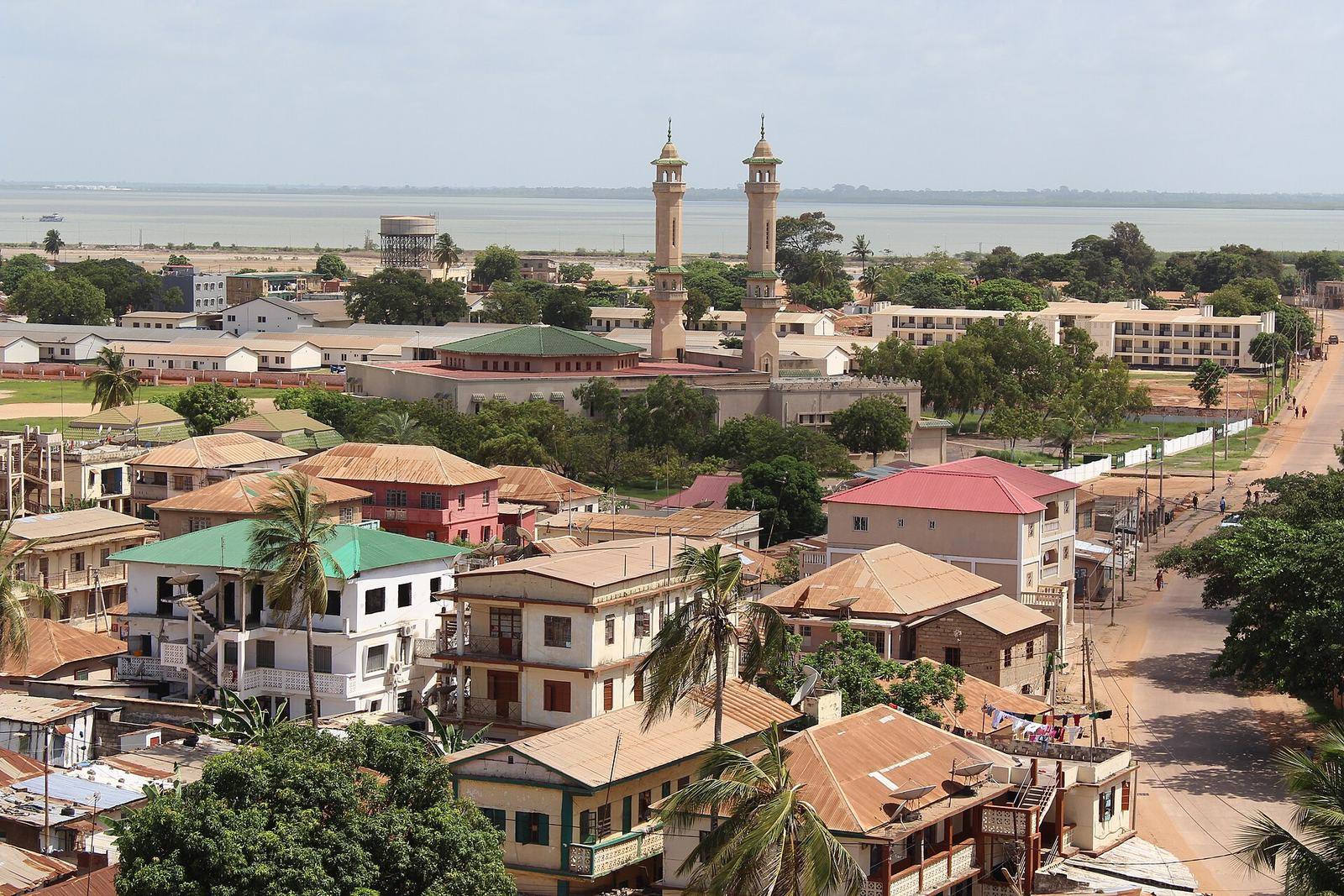
Also look for **King Fahad Mosque**, one of the largest in the country, the **Anglican Cathedral of St Mary** and the **Roman Catholic Cathedral of Our Lady of the Assumption**. The streets of the old quarter, once called Half Die after a cholera outbreak in the 1800s, still have wooden Krio style houses with balconies and shutters.
The river and the ferry
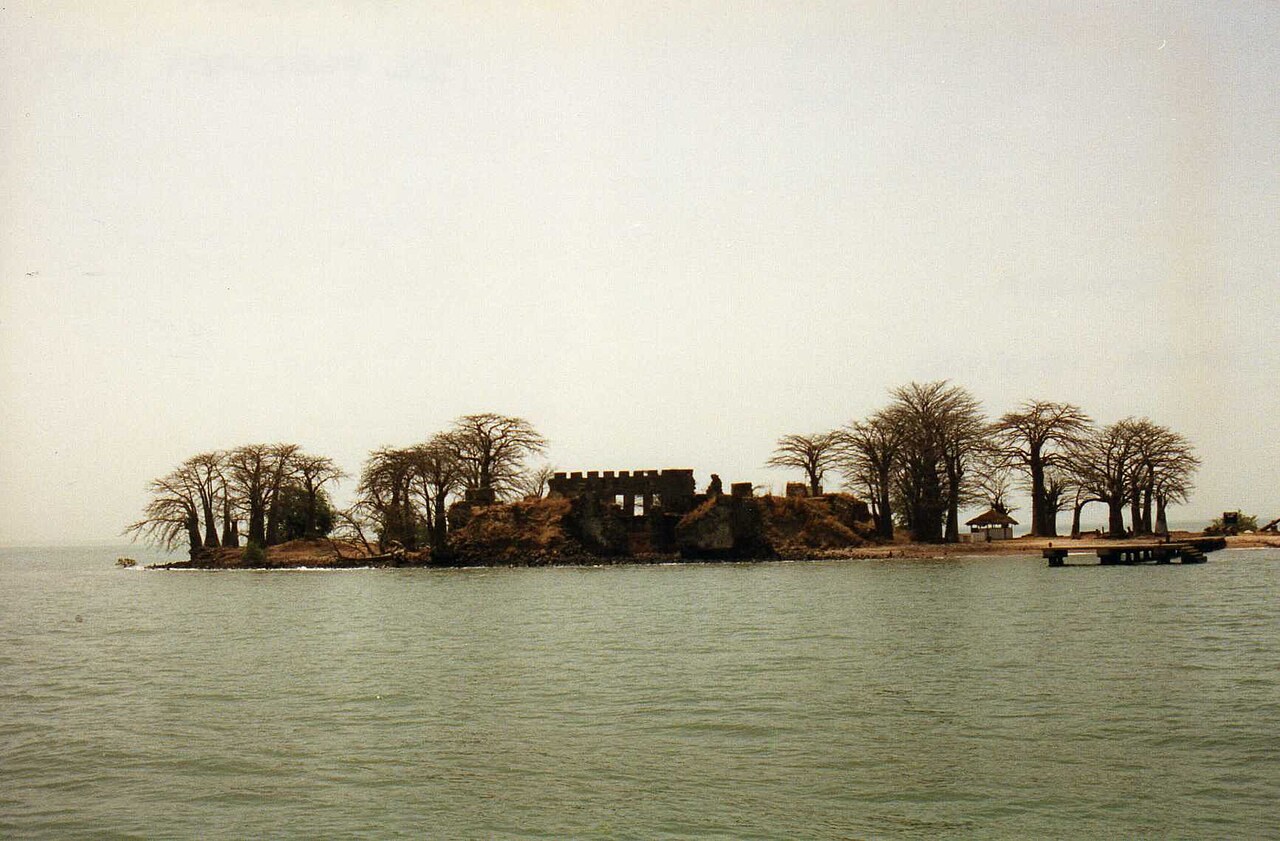
The **Banjul to Barra ferry** crosses the wide river mouth to the north bank, the starting point for trips to Juffureh and Kunta Kinteh Island by road. The ferry is a slice of real life, packed with traders, cars and goats, but it can be slow and crowded and services are sometimes cut back. Many visitors prefer an organised boat trip to the island from Denton Bridge instead.
The mangroves around the city form the **Tanbi Wetland Complex**, a protected area rich in birds. Lamin Lodge, a quirky wooden restaurant on stilts in the creeks south of the city, is a lovely place to watch them over breakfast.
Practical tips for Banjul
- **Getting there:** Banjul is about twenty minutes from Bakau and forty from Kololi by taxi, depending on traffic at Denton Bridge. Agree the fare before you get in.
- **Where to stay:** a small number of hotels exist, but most visitors stay on the coast and come in for the day.
- **When to go:** weekday mornings are busiest and most interesting at the market. Friday afternoons are quieter around prayer time.
- **Dress:** modest clothing is appreciated in the city, especially around mosques.
- **Photos:** ask before photographing people, and avoid government buildings, the State House and anything military.
Safety in Banjul
Banjul is generally calm, but pickpockets work the market and ferry terminal. Self appointed guides may attach themselves to you and ask for payment later: a polite but firm no thank you usually works. After dark the centre empties quickly, so plan to be back on the coast by evening. Check your government's current travel advice before travel.
Combining Banjul with other trips
Pair a morning in Banjul with lunch at Lamin Lodge or an afternoon at the Bakau crocodile pool on the way back. History lovers can link it with a boat trip to Kunta Kinteh Island and Juffureh, and the resort coast is a short drive away for the evening.
Questions about Banjul
Is Banjul worth visiting?
Yes, for a day. The National Museum, Arch 22 and Albert Market give you a real feel for Gambian history and daily life, and it makes a good contrast with the resort coast.
Should I stay in Banjul or on the coast?
Most visitors stay on the coast at Bakau, Kotu or Kololi, where hotels, beaches and restaurants are far better, and visit Banjul as a day trip.
How do I get from the coast to Banjul?
Take a tourist taxi or a yellow and green town taxi from Bakau, Kotu or Kololi. Shared minibuses also run along the main roads for very little money if you are comfortable with local transport.
Can I take the ferry to Barra?
Yes, the Banjul to Barra ferry runs through the day, but it can be crowded and slow, with occasional cancellations. Allow plenty of time and watch your belongings.
Facts checked . Fees, schedules and entry rules change, so always confirm the latest with the official source.