At a glance
- Best for
- Big cats, the Great Migration, classic plains
- Gateway
- Arusha or Kilimanjaro International Airport
- Time needed
- Three nights or more
- Best season
- June to October, and January to February for calving
- Getting there
- Road via Ngorongoro, or a light aircraft to an airstrip
- Managed by
- Tanzania National Parks (TANAPA)
Why the Serengeti is special
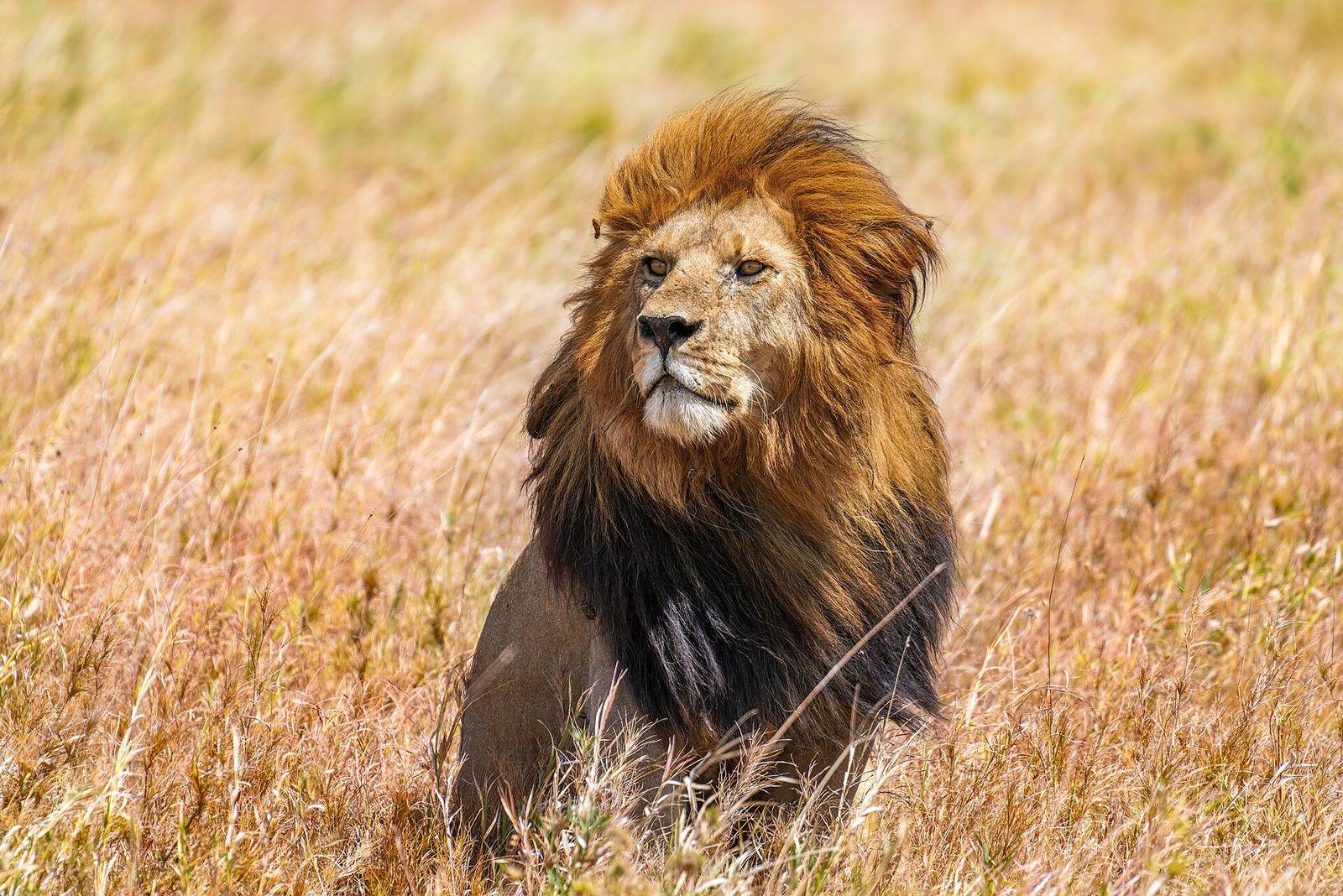
The Serengeti covers a huge area of northern Tanzania and joins Kenya's Maasai Mara across the border. Together they hold one of the last great overland migrations on earth, with well over a million wildebeest moving in a loop with zebra and gazelle, followed by lions, cheetahs, leopards and hyenas. Even outside migration season the resident wildlife is outstanding, and the central Seronera valley is one of the best places in Africa to see big cats.
The Great Migration, month by month
The herds follow the rain, so timing is never exact, but the pattern is reliable enough to plan around.
- **December to March:** the herds graze the short-grass plains of the southern Serengeti and Ndutu area. Calving peaks around February, which brings intense predator action.
- **April and May:** the long rains. The herds move north and west through the central areas. Fewer visitors and greener landscapes.
- **June and July:** the herds reach the Western Corridor and the Grumeti River, where the first crossings happen.
- **July to October:** the herds are in the far north around the Mara River, the famous crossing season.
- **November:** the short rains pull them south again through the central and eastern plains.
Which area to stay in
- **Central Serengeti (Seronera):** year-round resident wildlife, especially big cats, and the easiest area to reach by road. A good choice for a first safari in any month.
- **Southern Serengeti and Ndutu:** the place to be for calving season. Ndutu itself sits partly in the Ngorongoro Conservation Area, so check which fees apply.
- **Western Corridor:** quieter, with river crossings in early summer.
- **Northern Serengeti (Kogatende and Lobo):** remote and spectacular from July to October, best reached by light aircraft.
Getting there
Most road safaris start in Arusha and drive through the Ngorongoro Conservation Area to reach the Serengeti, a long but scenic day. Light aircraft fly from Arusha and Kilimanjaro to airstrips across the park, which saves a lot of time if you are going to the far north or west. Self-driving is possible but most first-timers go with a licensed safari operator and guide.
Fees and permits
Park entry fees are charged per person per day and are paid electronically, not in cash at the gate. Fees change, so check the current rates on the Tanzania National Parks website before you budget. Ask your operator exactly which fees are included in your quote.
Practical tips
- Game drives start early. The first hours after sunrise are the best for cats.
- Bring layers. Mornings and evenings can be cool, especially from June to August.
- Tsetse flies are active in some wooded areas. Wear light, neutral colours and avoid dark blue and black.
- Respect the rules: stay in the vehicle, keep to the tracks and keep your distance from animals.
- Balloon flights over the plains run in several areas and are a highlight for many visitors.
Read about Ngorongoro Crater, the usual stop on the way, and Arusha, where most safaris begin. When you are ready, shape your route with our free trip planner.
Questions about the Serengeti
How many days do I need in the Serengeti?
Three nights is a good minimum so you have at least two full days in the park. Add a night or two if you want to see two areas, such as the central plains and the north.
When can I see the river crossings?
Mara River crossings usually happen between July and October in the northern Serengeti, and Grumeti crossings in the Western Corridor around June. Exact dates depend on the rains.
Is the Serengeti good for children?
Yes, many lodges and camps welcome families, though some have minimum ages for game drives or walking. Check each camp's policy before you book.
Can I visit the Serengeti on a budget?
Budget camping safaris run from Arusha and share vehicles to keep costs down. Park fees still apply per person per day, so check current fees on the official parks site.
Facts checked . Fees, schedules and entry rules change, so always confirm the latest with the official source.