At a glance
- Best for
- Black rhino, lions and a dramatic one-day safari
- Gateway
- Arusha, Karatu and the rim
- Time needed
- One full day, often with a night on the rim or in Karatu
- Best season
- All year; June to October is driest
- Managed by
- Ngorongoro Conservation Area Authority (NCAA)
What makes the crater unique
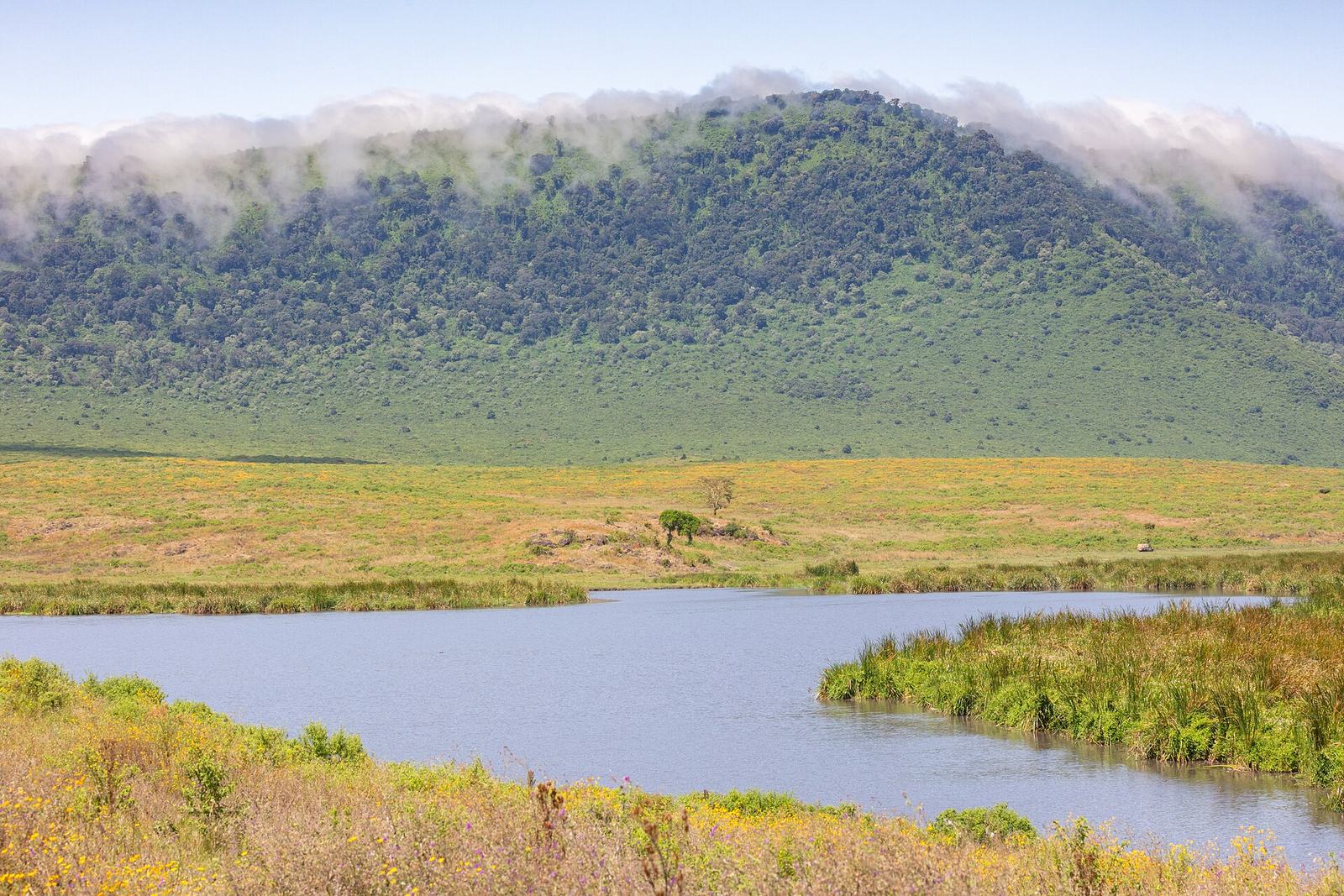
The crater is a huge, unbroken caldera with steep walls that hold a world of grassland, swamp, forest and a soda lake. Most animals live on the floor all year, so sightings do not depend on the migration. It sits inside the wider Ngorongoro Conservation Area, where Maasai people live and graze their cattle alongside wildlife, an unusual arrangement in a protected area.
A day in the crater
Vehicles descend in the early morning by a steep road. Crater visits are limited to a set number of hours, so most visitors spend a morning or a full day on the floor with a picnic lunch at a designated site. Expect to see:
- Lions and spotted hyenas, often close to the tracks
- Black rhino, usually at a distance, so bring binoculars
- Large old bull elephants in the forest and swamps
- Hippos at the pools, and flamingos on Lake Magadi when water levels suit them
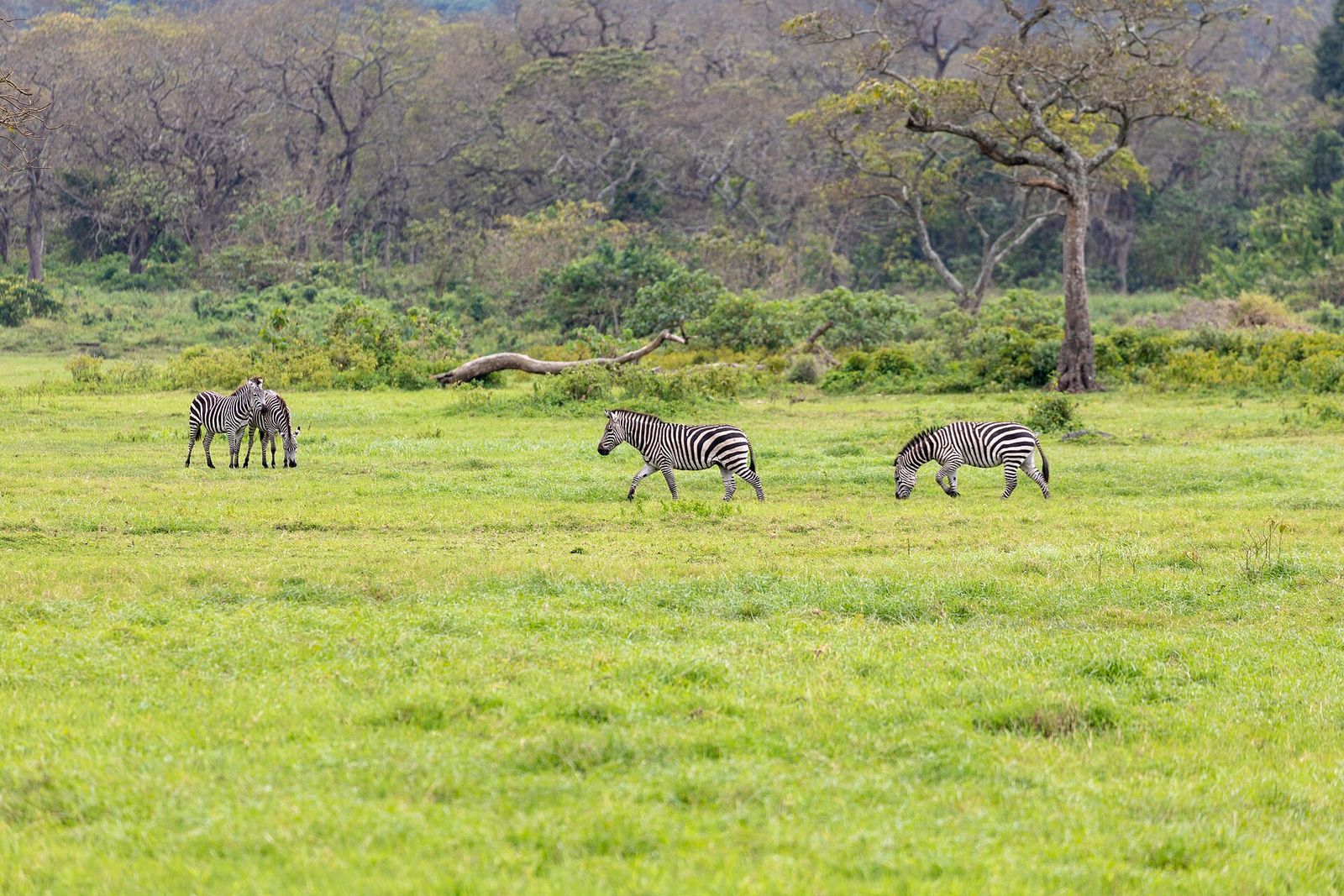
- Buffalo, zebra, wildebeest, warthog, jackal and many birds
Where to stay
- **On the crater rim:** lodges with views straight down into the caldera and the earliest access to the descent road. Nights are cold, so pack warm clothes.
- **Karatu:** a market town a short drive from the gate, surrounded by coffee farms and lodges. Often better value and a good base for one night between Lake Manyara and the Serengeti.
Beyond the crater floor
The conservation area holds more than the crater. Olduvai Gorge, on the road to the Serengeti, is one of the world's most important sites for early human fossils, with a small museum. Empakaai Crater offers a beautiful walk down to a lake with an armed ranger. Visits to Maasai bomas are common; agree terms clearly in advance and remember that you are visiting someone's home.
Fees and rules
The Ngorongoro Conservation Area Authority sets entry fees and a separate crater service charge per vehicle. Fees change, so check the current rates on the official NCAA website, and confirm with your operator what is included. Stay in your vehicle on the crater floor except at designated stops.
Best time to visit
The crater is good all year. June to October is dry and clear but busy. The green season from November to May is quieter and lush, with newborn animals, though roads can be muddy in April and May.
Most visitors combine the crater with the Serengeti, starting from Arusha. Build your route with our free trip planner.
Making the most of a crater day
Leave your lodge on the rim as early as gates allow, since the first hours bring the best light, the most active predators and fewer vehicles. Pack a warm layer: the rim is high and mornings are cold even in the dry season. Most operators bring a picnic lunch, eaten at a designated site, but keep food out of sight because black kites swoop on open sandwiches. Spend time at the Ngoitokitok spring and the Lerai Forest, where elephants and black rhinos are sometimes seen. If you have an extra day, the Olduvai Gorge museum and the Empakaai Crater walk are rewarding, quieter add ons. Use our free trip planner to fit the crater into a wider northern circuit.
Questions about Ngorongoro Crater
Is one day in Ngorongoro Crater enough?
For the crater floor itself, yes. Most visitors spend a morning or a full day inside. Add more time if you want to walk Empakaai or visit Olduvai Gorge.
Will I see a black rhino?
There is a reasonable chance, but they are few in number and usually seen at a distance. Binoculars make a big difference.
How cold is the crater rim?
The rim sits high, so evenings and early mornings are cold, especially from June to August. Bring a warm jacket and layers.
Can I drive myself into the crater?
Self-drive vehicles have specific rules and requirements for the crater descent. Most visitors go with a licensed operator; check the latest rules on the NCAA site.
Facts checked . Fees, schedules and entry rules change, so always confirm the latest with the official source.