At a glance
- Best for
- A once-in-a-lifetime trek and Africa's highest summit
- Gateway
- Kilimanjaro International Airport (JRO), then Moshi
- Time needed
- Seven to nine days on the mountain is wise
- Best season
- January to early March and June to October
- Managed by
- Tanzania National Parks (TANAPA)
- Key rule
- Climbs must be with a licensed operator and guide
Can anyone climb Kilimanjaro?
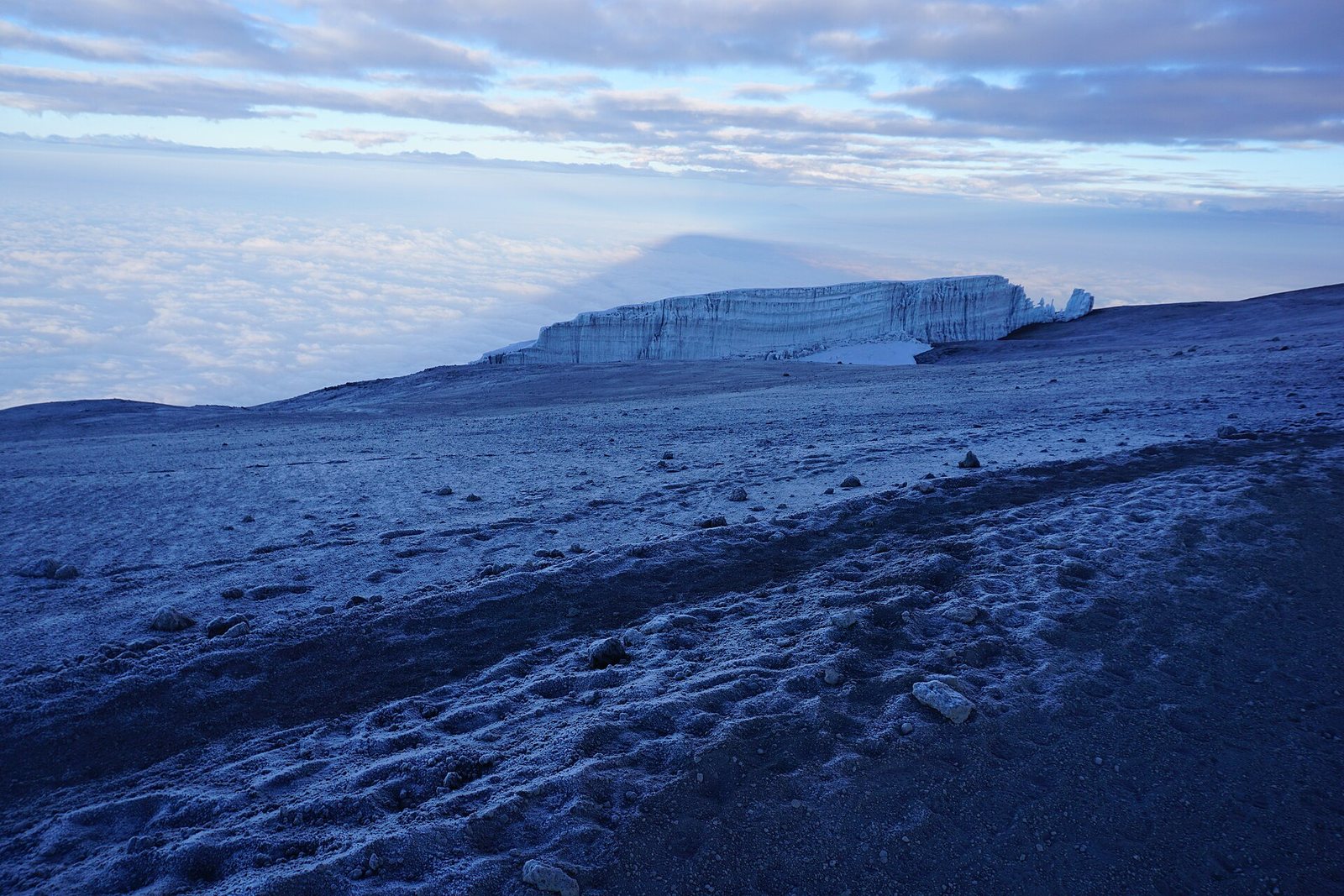
Kilimanjaro is a trek, not a technical climb, so fit walkers of many ages reach the summit at Uhuru Peak. The real challenge is altitude. The top is high enough that altitude sickness affects many climbers, and the single best way to improve your chances is to choose a longer route that lets your body adjust. Speak to your doctor before you book, especially if you have heart or lung conditions.
The main routes
- **Machame:** scenic and popular, with good acclimatisation if you choose the longer version. Camping only.
- **Lemosho:** a quieter, longer start from the west through forest and the Shira Plateau, often recommended for higher success.
- **Marangu:** the only route with hut accommodation. Shorter itineraries mean less time to acclimatise.
- **Rongai:** approaches from the north, drier and quieter, good in the rainy months.
- **Northern Circuit:** the longest route, with excellent acclimatisation and few crowds.
- **Umbwe:** steep and direct, for experienced trekkers only.
How many days?
Allow at least seven days on the mountain for most routes; eight or nine is better. Short itineraries are cheaper but summit success drops and the risk of altitude sickness rises.
Choosing an operator
All climbs must be with a licensed operator and registered guides. Ask how porters are treated: fair pay, proper food, warm kit and sensible load limits. The Kilimanjaro Porters Assistance Project lists partner companies that commit to fair treatment. Ask too about emergency plans, oxygen and how the guides monitor your health.
When to go
The driest months are January to early March and June to October. The long rains around April and May make trails muddy, and November brings short rains. The summit can be bitterly cold at any time of year.
Fees
Park fees for Kilimanjaro are charged per person per day, plus camping or hut fees and rescue fees. They change, so check current fees on the Tanzania National Parks website, and make sure your operator's quote states what is included.
Moshi, the base town
Moshi is a calm, walkable town with views of the mountain on clear mornings, good coffee from the surrounding Chagga farms, and markets selling everything from bananas to spices. Day trips include the Materuni waterfalls and coffee tours, and the hot springs at Chemka. Many climbers spend a night here before and after the trek.
Add a safari from Arusha or a few days on Zanzibar to recover. Plan it all with our free trip planner.
Preparing at home
Training matters more than people expect. In the months before your climb, walk long distances on hills, ideally with the boots and pack you will use, and build up to back to back days on your feet. Choose a route with enough days to acclimatise, because more time on the mountain greatly improves summit success. Speak to a travel health clinic about altitude, and learn the warning signs of acute mountain sickness so you can tell your guide early. Pack warm layers, a good sleeping bag, a headlamp and a refillable water bottle. Above all, pick an operator that treats porters fairly and follows the official guidelines. Our free trip planner can help you weigh routes and timing.
Questions about Mount Kilimanjaro
How fit do I need to be to climb Kilimanjaro?
You should be comfortable walking several hours a day on consecutive days, with uphill sections. Training hikes with a loaded day pack in the months before help a great deal.
Which route has the best success rate?
Longer routes such as Lemosho and the Northern Circuit give the best acclimatisation and higher success. The number of days matters more than the route name.
Do I need travel insurance for Kilimanjaro?
Yes. Make sure your policy covers trekking at high altitude and emergency evacuation, and read the small print on the maximum altitude covered.
Can I see Kilimanjaro without climbing it?
Yes. Clear mornings in Moshi give fine views, and Amboseli across the border in Kenya is famous for them. Day hikes on the lower slopes are also possible within park rules.
Facts checked . Fees, schedules and entry rules change, so always confirm the latest with the official source.