At a glance
- Best for
- Fortresses, hot springs, homestays and mountain views
- Permit
- GBAO permit
- Time needed
- Two to four days
- Best season
- June to September
- Main town
- Ishkashim
- Getting around
- Hired jeep, shared jeep, bicycle or on foot
Why visit the Wakhan
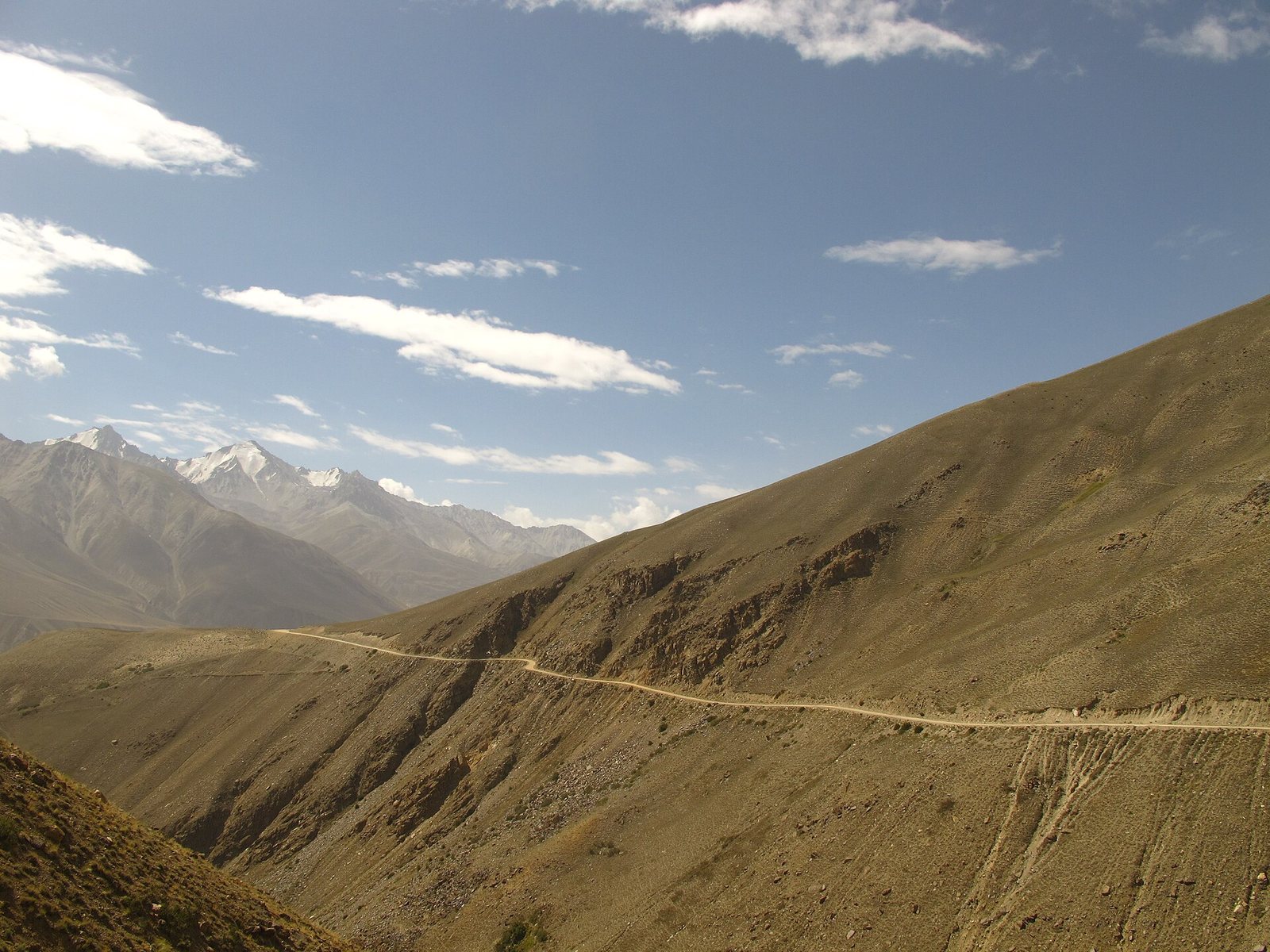
The Wakhan is green where the eastern Pamirs are bare. Fields of wheat and barley, apricot trees and poplars line the river, and every few kilometres a village of flat-roofed stone houses offers homestays. Across the Panj, Afghanistan's own Wakhan corridor leads towards the high peaks of the Hindu Kush, which fill the southern skyline. The valley was a branch of the Silk Road and a meeting place of Zoroastrian, Buddhist and Ismaili traditions.
Ishkashim
Ishkashim is the main town at the western end of the valley, about a couple of hours south of Khorog. It has small shops, guesthouses and a local market, and it is the last reliable place to buy supplies. A cross-border Afghan market was once held here on Saturdays, but it has often been closed, so ask locally rather than planning around it.
Fortresses and history
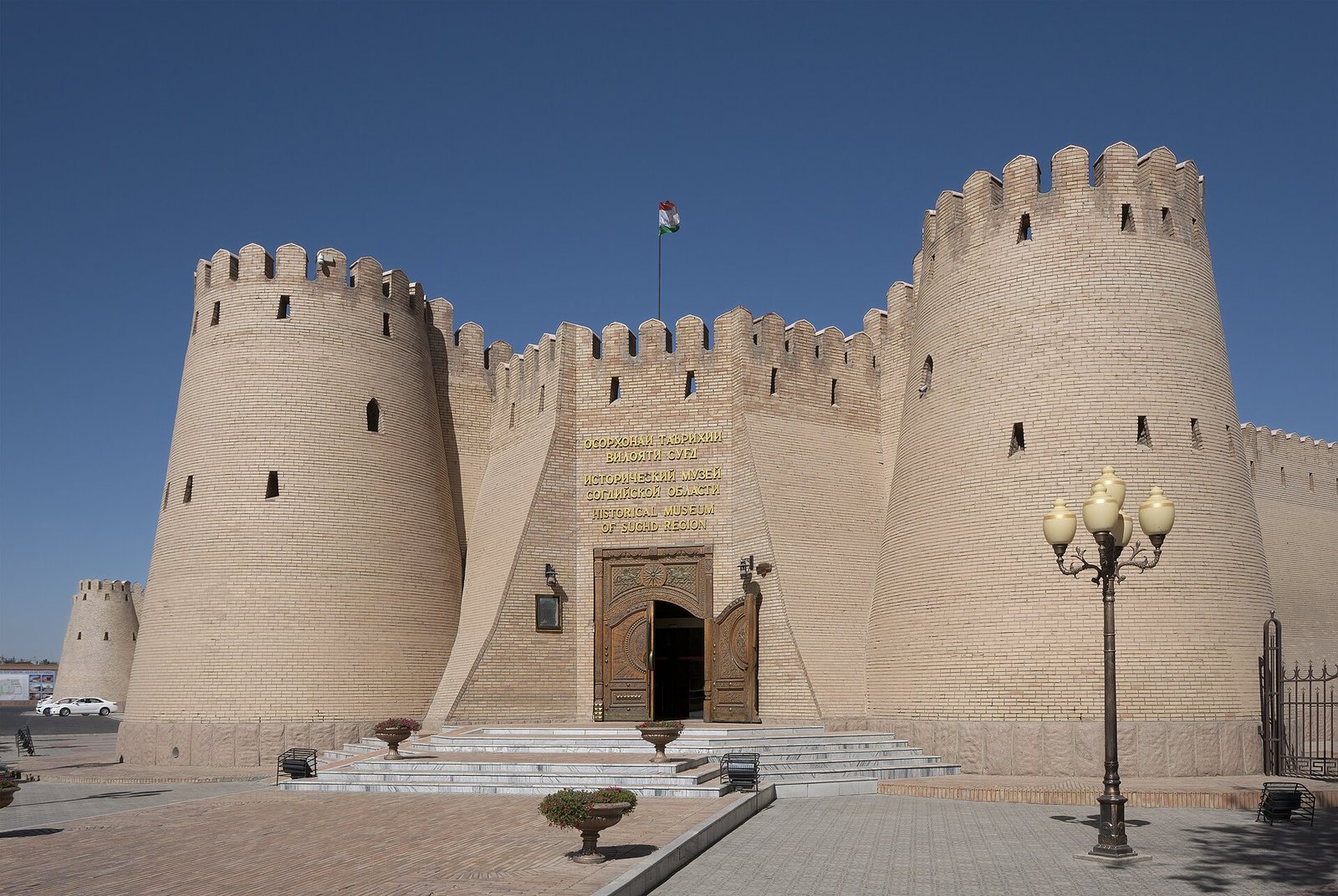
Kaakha fortress at Namadgut is a clay fortress on the riverbank facing Afghanistan. Further east, Yamchun fortress stands high on a ridge above the valley, with crumbling towers and wide views. At Vrang, terraces and caves mark an ancient Buddhist site. In Yamg, the small Mubarak Kadam museum remembers a Sufi scholar who used a stone calendar to track the sun.
Hot springs
Bibi Fatima hot springs, a short walk above Yamchun fortress, flow into a rock grotto and are traditionally visited by women hoping for children. Bathing times are usually split between men and women. Other smaller springs dot the valley.
Langar
Langar sits where the Pamir and Wakhan rivers meet to form the Panj. Above the village, a hillside holds thousands of petroglyphs of ibex, hunters and riders. Langar is also the start of treks into the high valleys and the end of the valley road before it climbs north towards the eastern Pamirs.
Where to stay and eat
Accommodation is almost all family homestays: simple rooms with mattresses on the floor, shared bathrooms and generous home cooking. Expect shir choy, a salty milk tea, fresh bread, soups, rice and vegetables from the garden. Staying with families is the heart of a Wakhan trip and puts money directly into village households.
Getting around
Most travellers cross the valley as part of a jeep trip on the Pamir Highway, spending two or three nights in villages such as Ishkashim, Yamchun, Vrang or Langar. Shared jeeps run between Khorog and Ishkashim and less often further east. The valley is a favourite with cyclists, as villages are close together and the gradient is gentle until the climb out of Langar.
Safety and respect
The valley runs along the Afghan border. Do not approach the river, cross into Afghanistan or photograph border posts and soldiers. Carry your passport and GBAO permit, as checkpoints are common. Several governments advise against travel to parts of the border area, so read your government's current advice. Dress modestly, ask before photographing people and remove shoes in homes. See the Pamir Highway guide for the wider route and use the free trip planner to fit the Wakhan into your trip.
When to go
June to September is the season, when homestays are open, fields are green and the passes at either end are clear. July and August are warmest and busiest. Late September brings golden poplars and harvest time, but nights turn cold. In winter the valley is quiet, very cold and harder to reach, though families still live here year round.
Questions about the Wakhan valley
How many days should I spend in the Wakhan?
Two to four nights is ideal, staying in different villages so you can visit the fortresses, hot springs and Langar without rushing.
Do I need a separate permit for the Wakhan?
The GBAO permit covers the valley. Carry copies, as it is checked at road posts.
Can I swim in the Bibi Fatima hot springs?
Yes, you can bathe in the pool. Times are usually split between men and women, so ask on arrival.
Is it safe so close to Afghanistan?
The Tajik side has long been calm for visitors, but advice changes. Read your government's current travel advice and follow local rules at checkpoints.
Facts checked . Fees, schedules and entry rules change, so always confirm the latest with the official source.