At a glance
- Best for
- History, photography and Beja culture
- Time needed
- Half a day to a full day
- Distance
- Under an hour by road south of Port Sudan
- Getting around
- Car from Port Sudan, then on foot
- Languages
- Arabic and Beja (Bedawi)
- Official advice
- Governments advise against all travel to Sudan
What official advice says first
Before anything else: the UK, US, Canadian and Australian governments advise against all travel to Sudan because of the armed conflict between the Sudanese Armed Forces and the Rapid Support Forces that began in April 2023. Embassies have reduced or suspended services, consular help is extremely limited, and most travel insurance will not cover you. Read your own government's advice before you plan anything.
A short history
Suakin's position on a sheltered lagoon made it a natural harbour. It traded with Arabia, India and Egypt for centuries, and was the main departure point for African pilgrims crossing to Jeddah for Hajj. Under the Ottomans and later the Egyptians, merchants built tall houses of coral blocks with carved wooden balconies and screens. During the Mahdist wars of the 1880s, British forces fortified the mainland, and some of those walls and gates still stand. When the new port was opened in the 1900s, trade moved north and Suakin was gradually abandoned. Coral stone weakens quickly once a house is empty, and most of the island is now ruins.
Walking the island
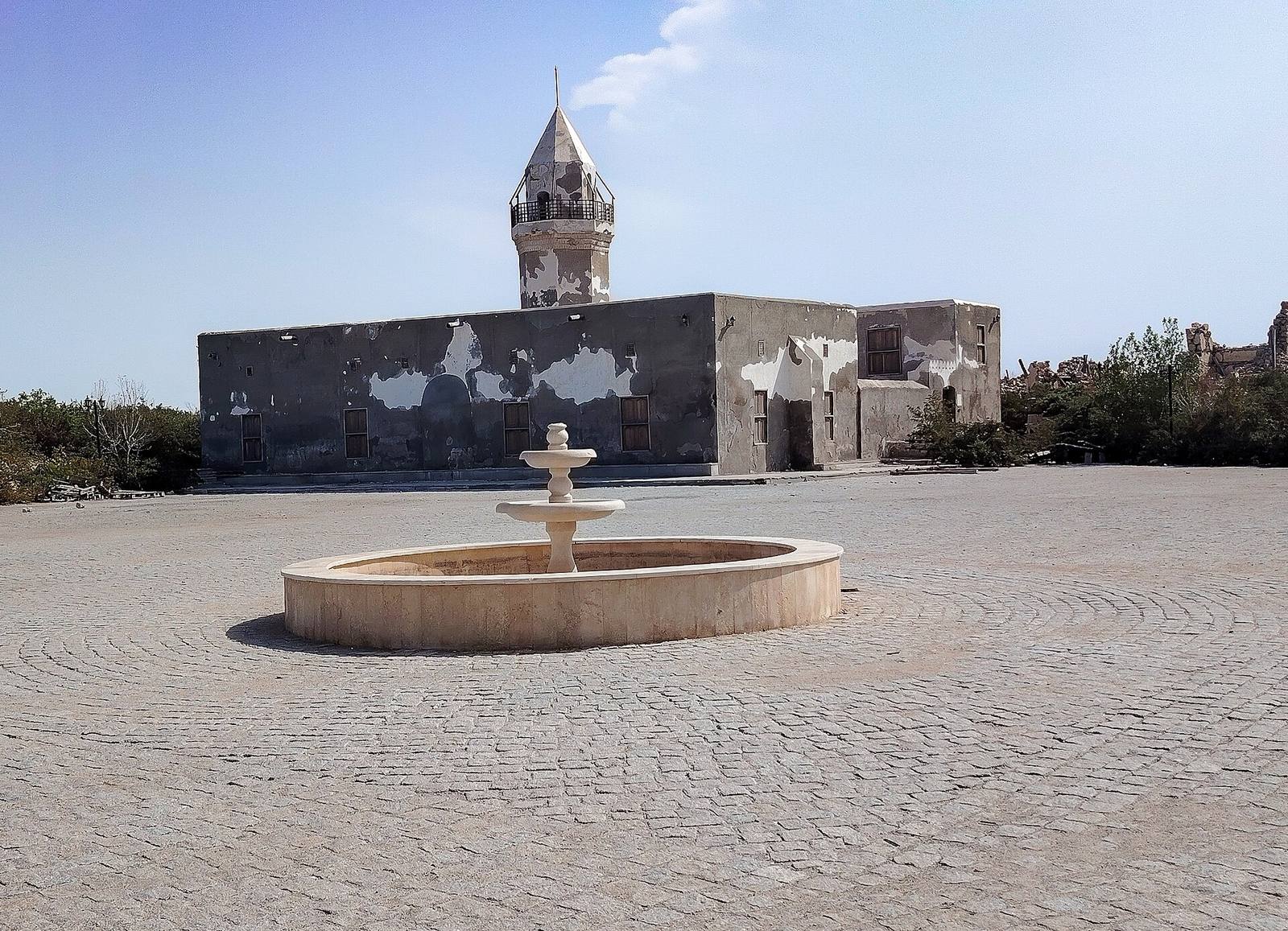
Cross the causeway on foot and wander the lanes among collapsed walls, doorways and coral blocks. A few buildings have been restored, including the Hanafi and Shafi'i mosques and the customs house, with Turkish support in recent years. Morning and late afternoon light is best for photographs, and you will often have the place nearly to yourself, apart from cats, goats and the odd fisherman. Wear sturdy shoes and do not climb on unstable walls.
El Geyf and the Beja market
The mainland town of El Geyf is where life carries on. Beja herders in white jalabiyas and waistcoats, with swords or long sticks, come to trade goats and camels and to drink coffee from clay jebena pots. It is a good place to see the traditional culture of the Beja, one of the Red Sea's oldest peoples. Always ask before photographing anyone.
The ferry port
Suakin's modern port handles passenger ferries to Jeddah and cargo, and fills with pilgrims before the Hajj season. Schedules and services have changed during the war, so check directly with operators if you plan to use it.
Getting there
Suakin is a short drive south of Port Sudan on the main highway. Most visitors arrange a car through their hotel or hosts for a half day trip. A permit or checkpoint stop may apply, so carry your passport, visa and registration documents. There is little in the way of tourist facilities, so bring water, a hat and snacks.
Practical tips
There is almost no shade on the island, so go early and carry more water than you think you need. Women should bring a scarf for entering the mosques, and everyone should remove shoes inside. Small notes in Sudanese pounds are useful for tea, coffee and a tip for anyone who shows you around. If you are travelling with children, keep them close near crumbling walls and the open lagoon edge. Drones and professional cameras can attract questions near the port, so keep photography low key.
Combining Suakin with your trip
Suakin pairs naturally with Port Sudan: visit early in the morning, then return for lunch at the fish market or an evening on the Corniche. For a wider route, see the Sudan destinations page or start a free trip plan.
Questions about Suakin
Is Suakin worth visiting?
Yes. It is one of the most atmospheric historic sites on the Red Sea, and easy to reach from Port Sudan in a half day.
Is there an entry fee for Suakin island?
Arrangements have varied over the years. Ask your hosts or check locally before you go.
Can I take the ferry from Suakin to Saudi Arabia?
Passenger ferries to Jeddah have run from Suakin, but schedules and rules change. Check with operators and confirm you hold the right Saudi visa.
What should I wear in Suakin?
Light, modest clothing covering shoulders and knees, a hat and sturdy shoes for the uneven ruins.
Facts checked . Fees, schedules and entry rules change, so always confirm the latest with the official source.