At a glance
- Best for
- Arrivals, family visits, diving and the Corniche
- Time needed
- Two to four days, more for a liveaboard
- Airport
- Port Sudan New International (PZU)
- Getting around
- Taxis and rickshaws, or drivers arranged by hosts
- Languages
- Arabic and Beja (Bedawi)
- Official advice
- Governments advise against all travel to Sudan
What official advice says first
Before anything else: the UK, US, Canadian and Australian governments advise against all travel to Sudan because of the armed conflict between the Sudanese Armed Forces and the Rapid Support Forces that began in April 2023. Embassies have reduced or suspended services, consular help is extremely limited, and most travel insurance will not cover you. Read your own government's advice before you plan anything.
A city that changed overnight
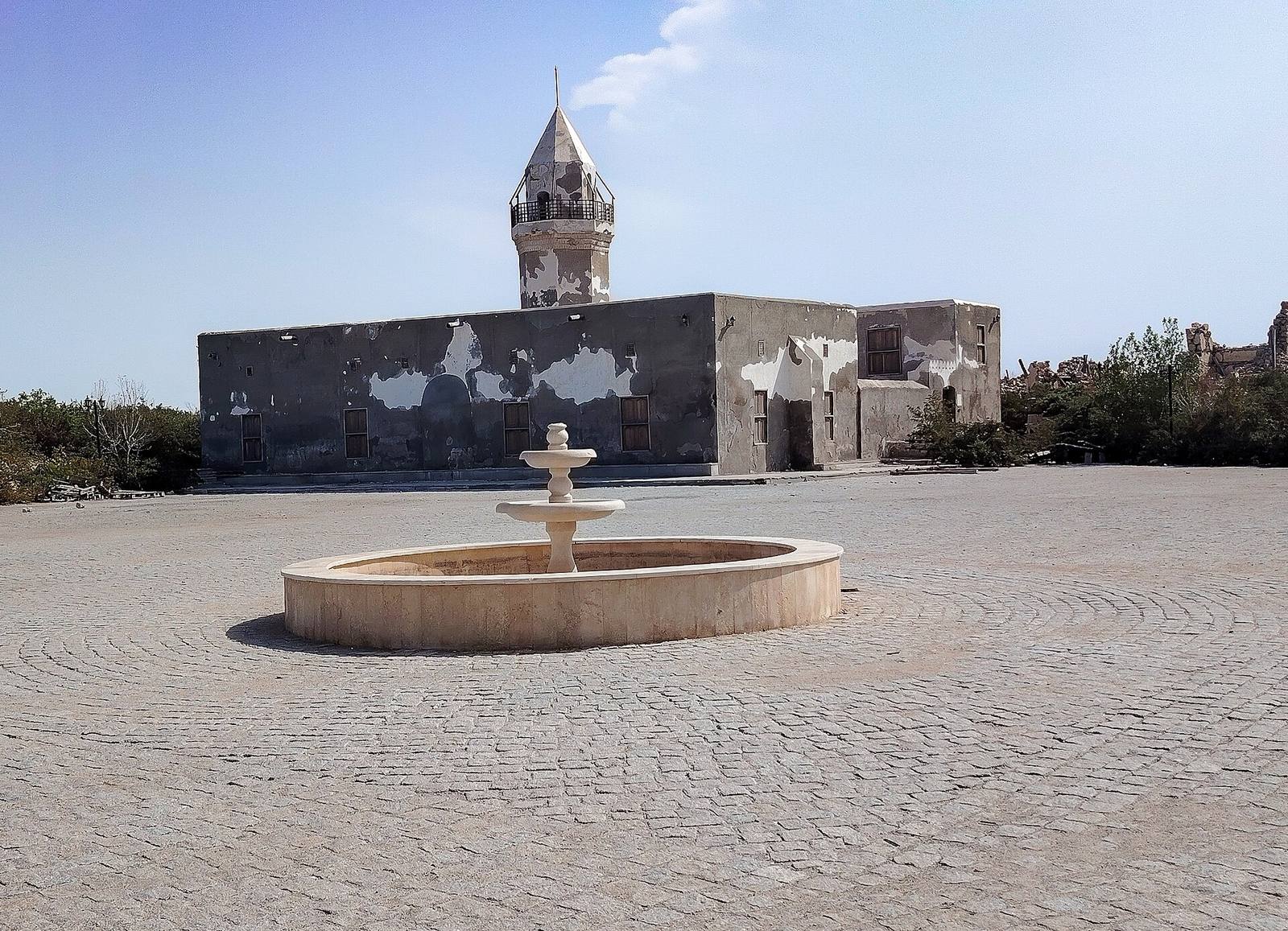
Founded by the British in the early twentieth century to replace Suakin as the main port, Port Sudan was a quiet working city of coral stone buildings, container cranes and Beja herders. When war reached Khartoum, ministries, banks and diplomatic missions moved here, and it became Sudan's de facto administrative centre. The population swelled, rents climbed and hotels filled with officials and aid workers. The city has seen less fighting than many places, but it has been hit by drone attacks, including on the port, fuel depots and the airport area, so security can change quickly.
The Corniche and the souq
The heart of daily life is the Corniche, the seafront promenade where families walk in the evening as the heat lifts. Grills along the waterfront serve fish with bread, salad and lime. The main souq in the centre sells spices, cloth, incense, gold jewellery and the clay jebena pots used for coffee. Look out for the Beja coffee sellers, who brew strong coffee with ginger and pour it into tiny cups, often with a little ceremony.
The fish market
Early in the day, the fish market is the place to see the Red Sea's catch, from grouper and snapper to parrotfish. You can often choose your fish and have it grilled nearby. It is one of the most authentic and least formal meals in the city.
The reefs and wrecks
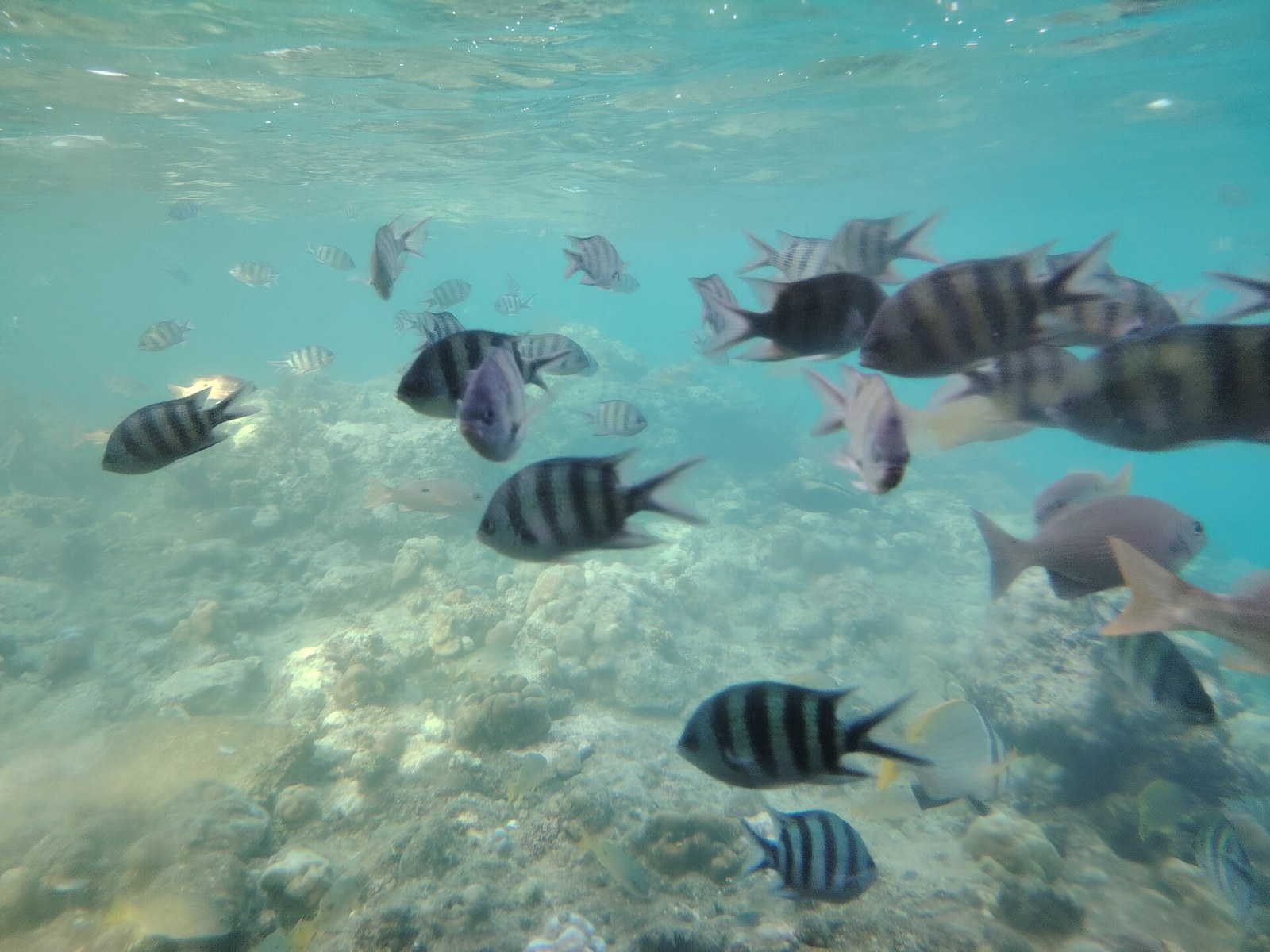
For divers, Port Sudan has long been a quiet legend. Sanganeb Marine National Park, a coral atoll with a lighthouse, and Dungonab Bay with Mukkawar Island, home to manta rays and dugongs, are together a UNESCO World Heritage Site. The Umbria, an Italian liner scuttled in 1940 on Wingate Reef, is one of the world's great wreck dives, still holding cargo and even cars. At Sha'ab Rumi, Jacques Cousteau built his Precontinent II undersea village in 1963, and parts remain on the reef, along with hammerhead sharks. Before the war, liveaboard boats ran from autumn to spring. Check carefully whether any operate now, and confirm insurance and evacuation cover for diving.
Where to stay
The longest established hotel is the Coral Port Sudan on the seafront, used by many official visitors. There are also mid range and simple city hotels near the souq. Demand is very high and prices have risen sharply, so book ahead through reliable channels and confirm power and water supply. Many diaspora visitors stay with relatives.
Arriving and getting around
Port Sudan New International Airport lies south of the city. Arrange a pickup through your hotel or family before landing. Around town, taxis and three wheeled rickshaws are common; agree the fare first. Travel out of the city, including to Suakin, may require permits and passes checkpoints, so ask your hosts. Heat is extreme from May to September; the best months are November to February.
Plan your time
Port Sudan is likely to be your first and last stop. Give yourself a day to rest and register before moving on, and see the full Sudan destinations list or the free trip planner to plan the rest.
Questions about Port Sudan
Is Port Sudan safe?
It has seen less ground fighting than other cities, but drone strikes have hit the port and airport area, and governments advise against all travel to Sudan. Check current advice before travelling.
Can I dive in Port Sudan?
The reefs are world class, but liveaboard operations have been disrupted by the war. Confirm whether an operator is running, and that your insurance covers diving and evacuation.
How do I get from Port Sudan to Khartoum?
Overland on a long desert road through Kassala or Atbara, or by domestic flight when available. Ask hosts about checkpoints and current conditions.
When is the best time to visit Port Sudan?
November to March, when the sea is calm and temperatures are bearable. Summer is extremely hot and humid.
Facts checked . Fees, schedules and entry rules change, so always confirm the latest with the official source.