At a glance
- Best for
- Ancient Nubia, the Nile and desert sunsets
- Time needed
- Two to three days
- Distance
- A long day's drive north of Khartoum across the Bayuda Desert
- UNESCO
- Gebel Barkal and the Sites of the Napatan Region
- Best months
- November to February
- Official advice
- Governments advise against all travel to Sudan
What official advice says first
Before anything else: the UK, US, Canadian and Australian governments advise against all travel to Sudan because of the armed conflict between the Sudanese Armed Forces and the Rapid Support Forces that began in April 2023. Embassies have reduced or suspended services, consular help is extremely limited, and most travel insurance will not cover you. Read your own government's advice before you plan anything.
Jebel Barkal
Jebel Barkal rises alone above the river, with a tall free standing pinnacle on its cliff face that the ancients saw as a rearing cobra, the royal symbol. At its foot stand the ruins of the great Temple of Amun, with its ram statues, and smaller temples cut into the rock, one with carved images of the goddess Hathor. Behind the mountain, a group of steep pyramids marks the royal burials of the Napatan period. The climb to the summit takes under an hour by the sandy slope at the back, and sunset from the top, over the Nile, the palms and the open desert, is unforgettable.
El Kurru
A short drive downstream, El Kurru is the burial ground of the kings who conquered Egypt and ruled as its 25th Dynasty. Steps lead down into small underground tombs whose walls are still painted with bright scenes of gods, stars and royal figures. They are among the finest surviving paintings of Kush. Nearby, a petrified forest scatters fossil tree trunks across the sand.
Nuri
Across the river, the pyramid field of Nuri includes the largest pyramid ever built in Kush, the tomb of King Taharqa, who appears in the Bible. The pyramids are eroded and quieter than Meroe, but the setting by the desert is moving.
Further afield
From Karima, specialists traditionally ran trips to the ruins of Old Dongola, capital of a Christian Nubian kingdom with a throne hall turned mosque, to the medieval Ghazali monastery in a Bayuda desert valley, and across the Bayuda's volcanic hills and craters. The Merowe Dam, on the Fourth Cataract upstream, is a vast modern contrast.
Nubian life
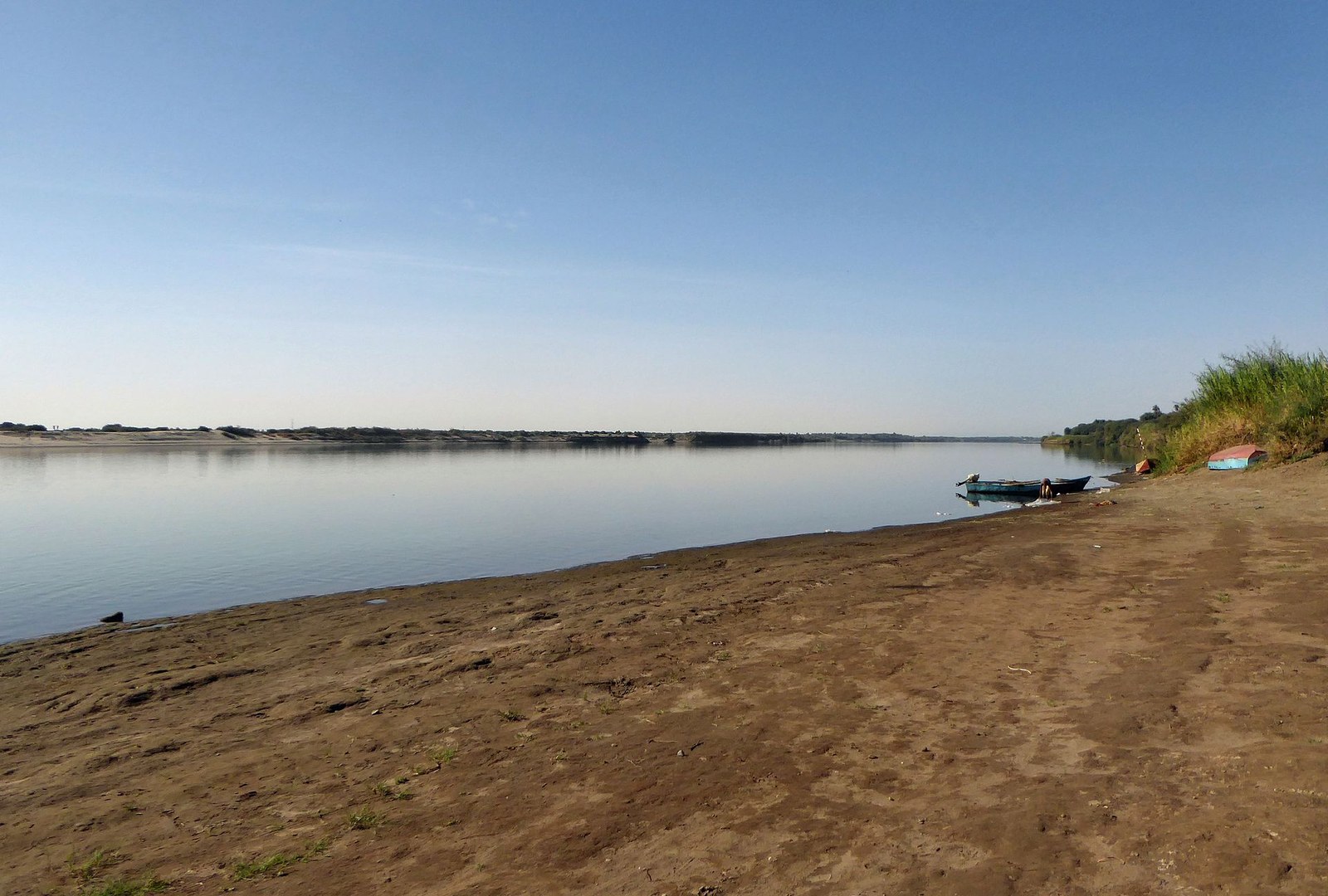
Karima's souq sells dates, cloth and tea, and the Nubian villages around it have painted gateways and courtyards where hospitality is generous. People speak Arabic and, in many homes, Nubian languages. Dress modestly, ask before photographs and accept tea when offered: it is the heart of the welcome.
Practical tips
Carry water, a hat and a torch for the dim tombs. Sand is soft on the mountain, so wear shoes that grip rather than sandals. Bring cash for site tickets, guardians' tips and the market, as cards do not work. Distances between sites are short, but you will need a vehicle and driver, and fuel can be scarce in wartime, so confirm supplies in advance. In the evening, sit by the Nile with tea and watch the light fade on the mountain.
Where to stay and how to get there
Before the war, the best known stay was a Nubian style guesthouse facing Jebel Barkal, alongside simple local hotels. The town is reached by a good road across the Bayuda Desert from Khartoum, or from Atbara and Dongola. Visits need permits and, in practice, a specialist operator. Check current government advice for the Northern State before any plan. Pair Karima with Meroe, see the Sudan destinations overview, or shape a route with the free trip planner.
Questions about Karima
Is Jebel Barkal a UNESCO site?
Yes. Gebel Barkal and the Sites of the Napatan Region, including El Kurru and Nuri, are a UNESCO World Heritage Site.
Can I climb Jebel Barkal?
Yes, by the sandy slope at the back. It takes under an hour and is best at sunset. Bring water and good shoes.
Can I go inside the tombs at El Kurru?
Visitors have been allowed into some tombs with the site guardian. Photography rules vary, so ask on site.
How many days do I need in Karima?
Two to three days covers Jebel Barkal, El Kurru and Nuri at a gentle pace, with time for sunset on the mountain.
Facts checked . Fees, schedules and entry rules change, so always confirm the latest with the official source.