At a glance
- Best for
- Architecture, food, beaches and nightlife
- Airport
- Barcelona El Prat (BCN), about thirty minutes by Aerobús, train or metro
- Time needed
- Three to four days
- Best season
- May, June, September and October
- Getting around
- Walking, metro, buses and bikes
- Good to know
- Book Gaudí sites ahead and guard your phone
Why go
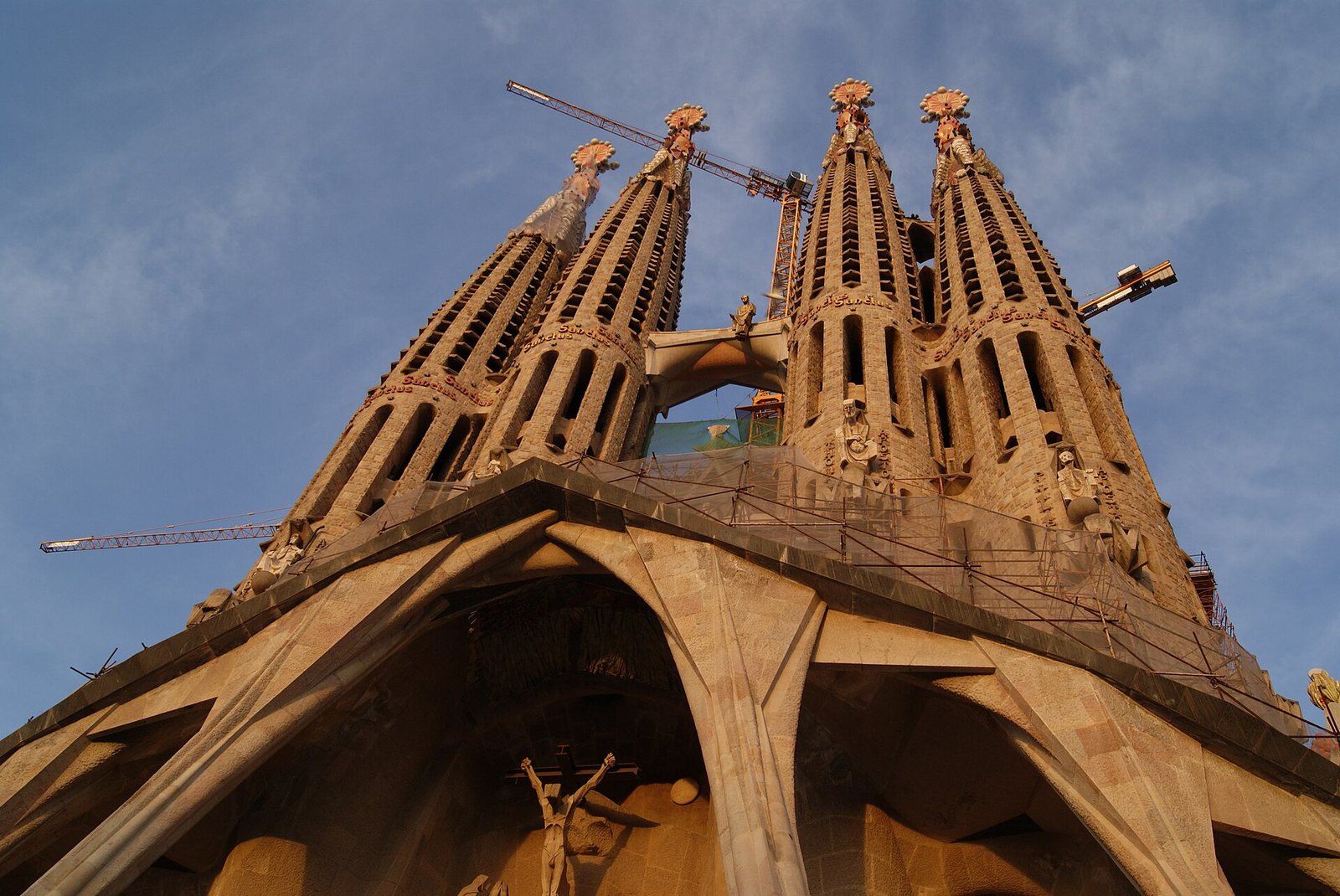
Nowhere else has architecture like Barcelona. Antoni Gaudí and his contemporaries turned the late nineteenth century expansion of the city into an open air museum of curving stone, mosaic and stained glass, and seven of Gaudí's works are UNESCO listed. Add Roman walls, Gothic churches, Mediterranean beaches and the proud Catalan culture, language and food, and you have one of Europe's most rewarding cities.
Gaudí and modernisme
The **Sagrada Família** is the must see: a basilica still being completed, with interior columns that branch like trees and stained glass that floods the nave with colour. Book a timed ticket, and a tower visit if you can manage stairs. **Park Güell** has the mosaic terrace and gingerbread pavilions, also with timed entry. On Passeig de Gràcia, **Casa Batlló** and **Casa Milà, La Pedrera** face each other a few blocks apart. For fewer crowds, visit the **Palau de la Música Catalana** on a guided tour or the beautiful **Sant Pau Recinte Modernista**.
The old city
The **Gothic Quarter** wraps around the cathedral with lanes, Roman columns and quiet squares such as Plaça Sant Felip Neri. **El Born** across Via Laietana has the soaring **Santa Maria del Mar**, the **Picasso Museum** and boutique shops. **La Rambla** is the famous promenade, but locals avoid it; walk it once, peek into the **Boqueria** market, and then explore the side streets. **El Raval** has the MACBA contemporary art museum and a gritty, creative edge.
Beaches and hills
**Barceloneta** is the closest and busiest beach; walk further north to Nova Icària or Bogatell for more space. **Montjuïc** hill has gardens, the Joan Miró Foundation, the National Art Museum of Catalonia and a cable car. For a free view, climb to the **Bunkers del Carmel** at sunset, or take the funicular up **Tibidabo** to the old amusement park.
Eating and drinking
Catalan food is different from the rest of Spain. Try **pa amb tomàquet**, bread rubbed with tomato and oil, **escalivada**, grilled vegetables, **fideuà**, a seafood noodle paella, **crema catalana** and, in late winter and spring, **calçots**, grilled spring onions dipped in romesco. Sunday **vermouth** before lunch is a local ritual, and the **menú del día** is the best lunch deal. Paella is best by the sea in Barceloneta at lunchtime, never at dinner.
Festivals
**Sant Jordi** on 23 April fills the streets with books and roses. **Sant Joan** on the night of 23 June brings fireworks and beach parties. **Gràcia's festival** in August decorates whole streets, and **La Mercè** in late September has human towers called castells and fire runs.
Where to stay
The **Eixample** is central, well connected and calmer at night. The **Gothic Quarter** and **El Born** put you in the old city but can be noisy. **Gràcia** feels like a village of squares and local bars. **Poblenou** is near the quieter beaches. The city charges a tourist tax on top of the regional one; check the current rules on the official tourism site.
Getting around and staying safe
The metro covers almost everything, and a multi trip card saves money. Walking the Eixample is easy on its grid. Pickpockets target La Rambla, the metro, Sagrada Família and the beach, often using distraction tricks. Keep phones in front pockets or zipped bags, never leave bags on café chairs, and take only what you need to the beach.
To fit Barcelona into a longer route, see all our Spain destinations or use the free trip planner.
Questions about Barcelona
How far ahead should I book the Sagrada Família?
Book online as soon as your dates are fixed, especially for summer and for tower visits. Slots often sell out days or weeks ahead, and there is no ticket office for walk ups at busy times.
Is Barcelona safe?
Violent crime is low, but pickpocketing is very common. Watch your phone and bag on the metro, La Rambla and the beaches.
Do people speak Catalan or Spanish?
Both are official and almost everyone speaks Spanish. Signs and menus are often in Catalan first. A simple bon dia or gràcies is always appreciated.
Is Barcelona a good beach destination?
The city beaches are fun for a swim and a drink, but busy. For quieter sand, take a train to Sitges or up the Costa Brava.
Facts checked . Fees, schedules and entry rules change, so always confirm the latest with the official source.