The capital
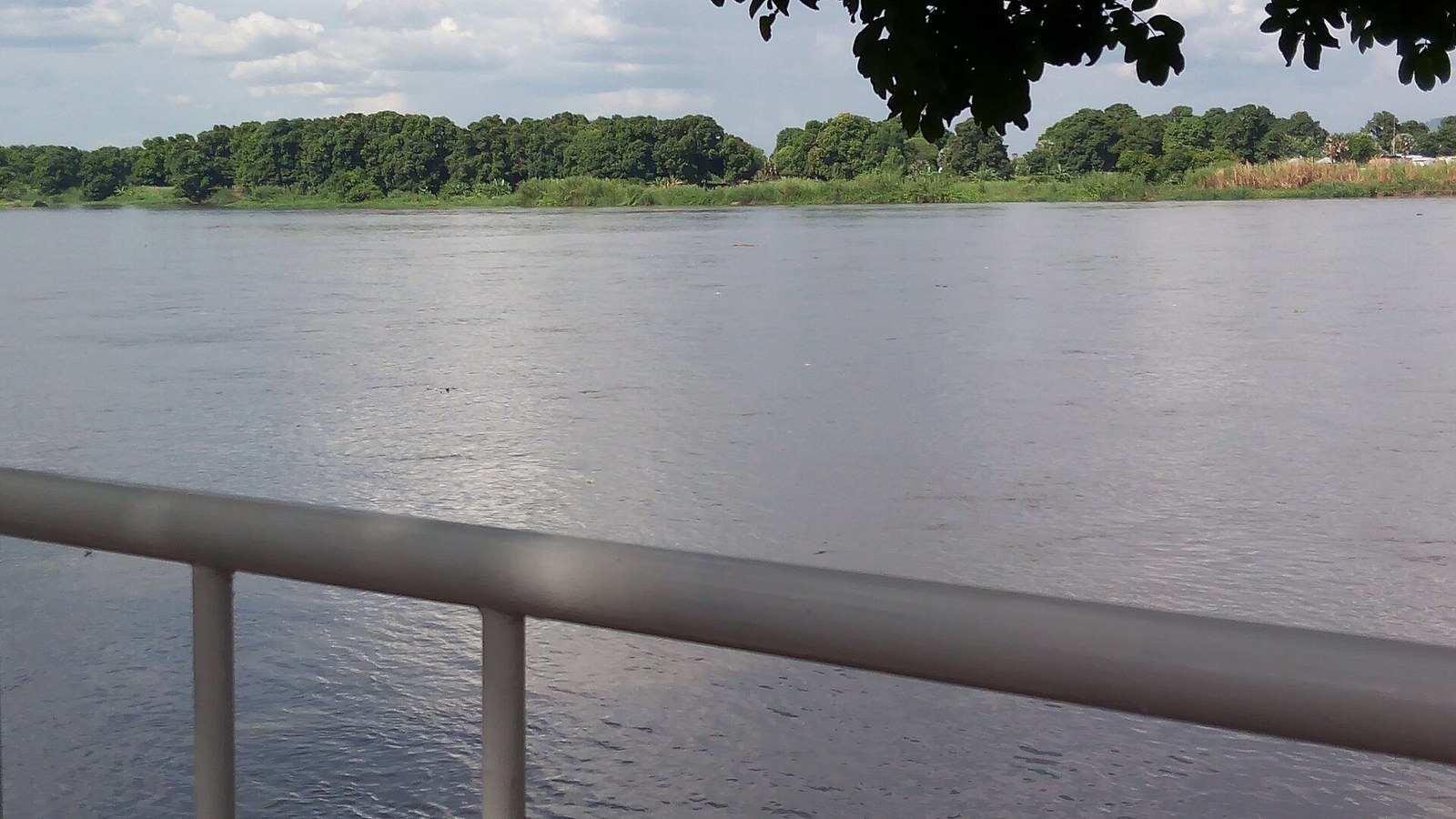
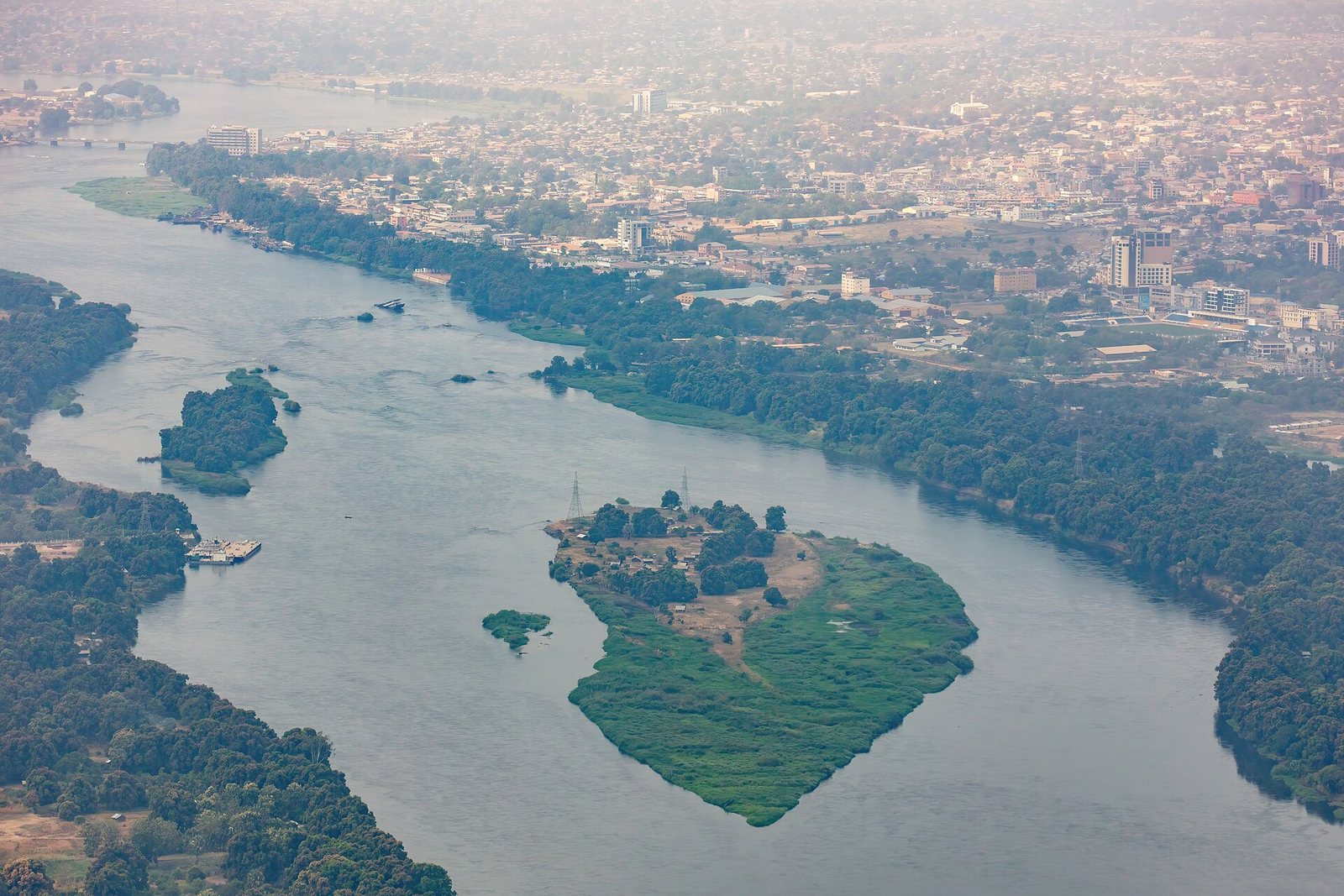
Almost every trip begins in Juba, the capital on the west bank of the White Nile. It is a young, fast-growing city of tin roofs, new ministries, busy markets and riverside restaurants, and it is where you land, sort permits, change money and meet the operators who make the rest of a trip possible. Plan at least two nights here, and more if you are visiting family.
Along the Nile
Downstream, a couple of hours north of Juba, is Terekeka, the heartland of the Mundari people and their famous cattle camps, where long-horned Ankole-type cattle are tended with extraordinary care. Upstream, on the Ugandan border, Nimule National Park protects a stretch of the Nile with the thundering Fula Rapids, hippos and riverine forest. Both are usually visited with a guide and a vehicle arranged from Juba.
The east
Far to the east, Kapoeta is a dusty market town in the land of the Toposa people, known for its beadwork, cattle culture and gold panning along seasonal rivers. It is a long road trip from Juba through Torit, the gateway to the Imatong Mountains, and is best done with an experienced operator.
The great plains
Badingilo National Park, north east of Juba, is part of a landscape where huge herds of white-eared kob, tiang and Mongalla gazelle move with the seasons, one of the largest land mammal migrations on Earth. It is managed with the conservation group African Parks, alongside Boma National Park further east, and visits are possible only through approved arrangements.
How to combine them
A realistic first trip is Juba plus one excursion: Terekeka for a day or overnight, or Nimule over two or three days. Kapoeta and Badingilo need more time, specialist support and usually a dry season window. Distances look short on the map, but roads are rough and checkpoints are frequent. Read your government's current advice first, then use the free trip planner to shape a route that fits your dates, or browse places to visit for ideas in each area.