At a glance
- Best for
- Nile sunsets, markets, family visits and trip logistics
- Gateway
- Juba International Airport (JUB)
- Time needed
- Two to four nights
- Best season
- December to March, the dry months
- Language
- English and Juba Arabic
- Getting around
- Hotel cars or trusted drivers
Why Juba is worth your time
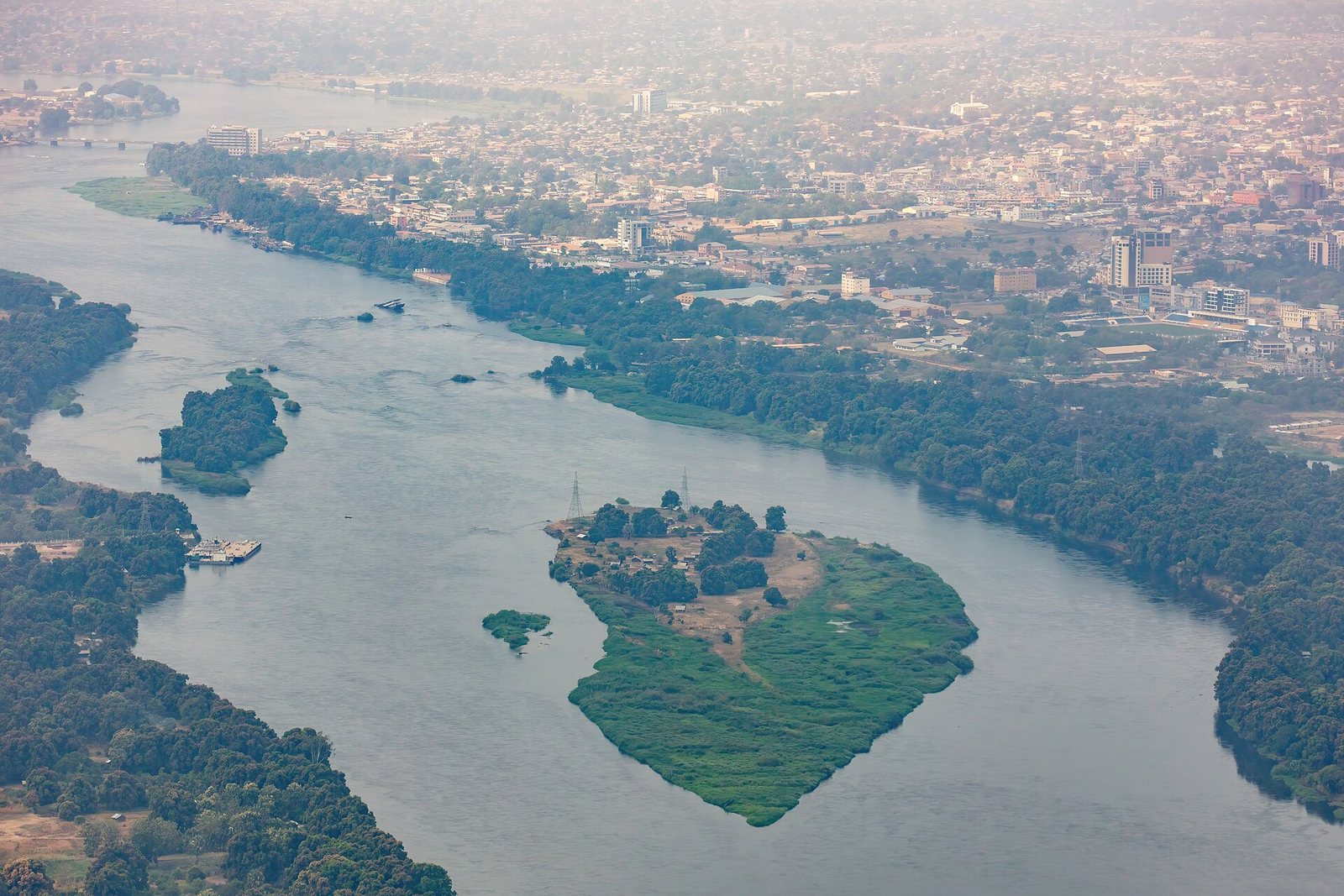
Juba was a small river town for much of the twentieth century. It became the capital of the semi-autonomous south after the 2005 peace agreement and of an independent South Sudan on 9 July 2011, and it has grown fast ever since. Today it is a city of new ministries and old markets, church bells and calls to prayer, aid agency compounds and family homes, home to people of every ethnic group in the country. Most visitors spend two to four nights here, sorting permits, seeing family or preparing for a trip further out.
Areas to know
**Juba Town and Konyo Konyo** form the older commercial heart, near the river, with Konyo Konyo Market packed with dried fish, grain, spices and household goods. **Custom Market** to the west is another huge trading hub. **Tongping** (often written Thongpiny), near the airport, is where many hotels, restaurants and organisations sit, and it is the area most first-time visitors see. **Hai Amarat** and **Hai Cinema** have guesthouses, restaurants and cafés, while **Kololo** and the riverside road north lead to Nile-side lodges. **Gudele** and **Munuki** are large residential districts where many families live.
What to see and do
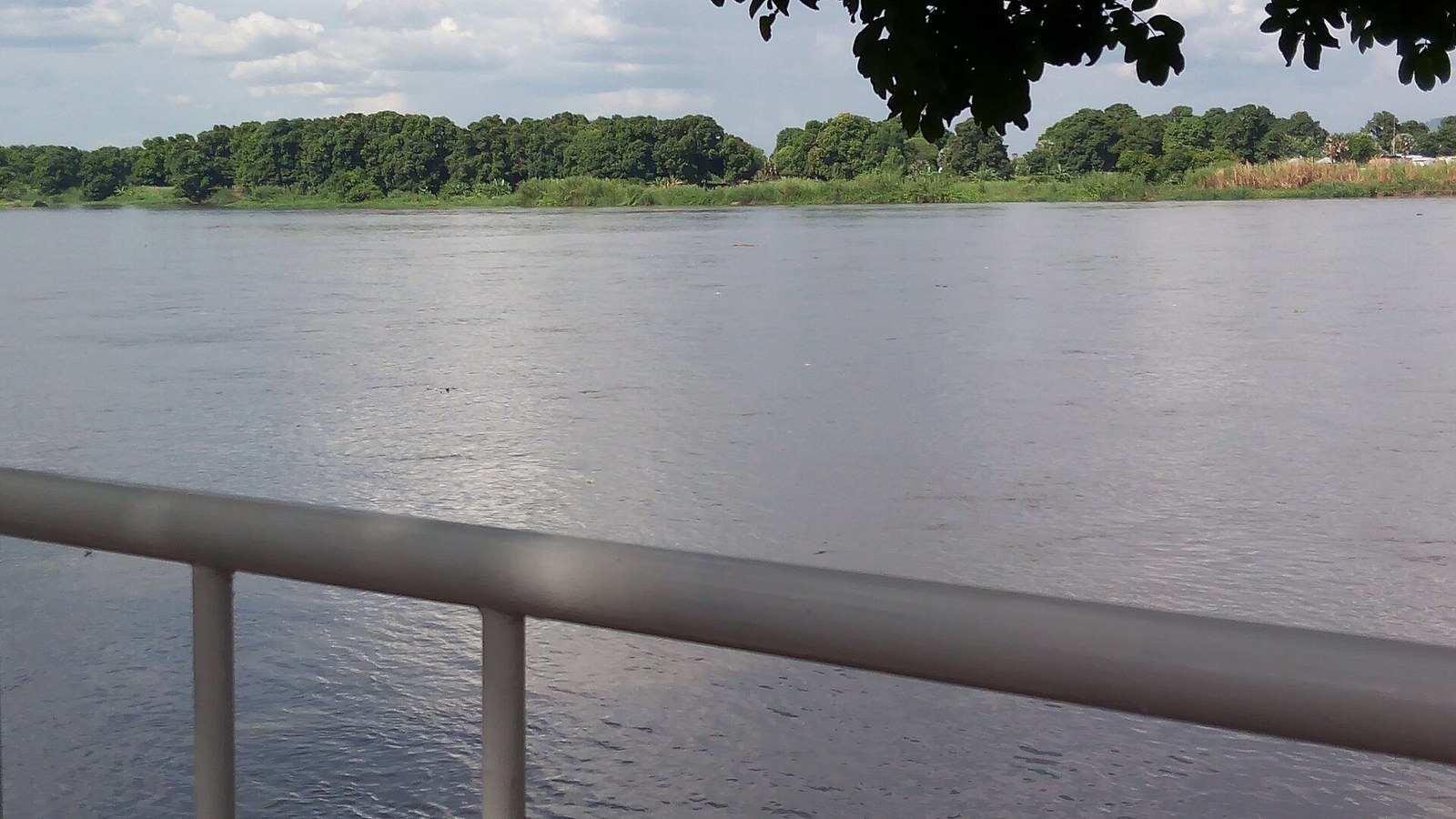
- **The White Nile**: the river is the soul of the city. Riverside lodges and restaurants have terraces for sunset, and the Freedom Bridge, opened in 2022, spans the Nile on the road east.
- **Dr John Garang Mausoleum**: the resting place of the leader of the liberation struggle, the site where independence was declared in 2011. Ask before photographing.
- **Konyo Konyo and Jebel markets**: busy, colourful and very real. Go with a local friend or guide, keep valuables out of sight and ask before taking photos.
- **Jebel Kujur**: the rocky hill west of the city, climbed early in the morning for views across Juba. Go with someone who knows the route.
- **Cathedrals and churches**: St Theresa's Cathedral in Kator and All Saints Cathedral are important places of worship, and Sunday services are joyful and welcoming.
Food and evenings
Juba eats well for a young city. Try grilled Nile fish, kisra flatbread with stews, ful beans at breakfast and strong tea from the tea sellers who set up along the streets. Ethiopian, Eritrean, Ugandan, Kenyan, Lebanese and Indian kitchens are common thanks to the many communities here. Most evening life happens in hotel restaurants and riverside spots, and people tend to be home early.
Where to stay
Choose an established hotel with secure parking, a generator and good water, in Tongping, Hai Amarat or along the Nile. Rooms are expensive by regional standards, because almost everything is imported and much demand comes from organisations. Book ahead, and confirm airport transfers with your hotel.
Staying safe
Government advice for South Sudan is very strong and covers Juba too. Crime, including armed robbery and carjacking, is a real risk, especially after dark. Avoid walking at night, keep car doors locked, never photograph soldiers, police, officials, bridges or government buildings, and carry your passport and permits at checkpoints. Follow your hotel's advice and local news, and stay flexible if the situation changes.
Questions about Juba
How many days should I spend in Juba?
Two to four nights is enough for the main sights, a market visit and the permits most trips need. Many visitors also spend a final night here before flying home.
Can I walk around Juba?
Short daytime walks near your hotel with a local companion are usually fine, but most visitors use hotel cars or trusted drivers. Do not walk after dark.
Do I need a permit to take photos in Juba?
Photography is sensitive. Check whether a current photography permit is required, never photograph official sites or security forces, and always ask people first.
What is Juba known for?
Being the capital of the world's youngest country, its setting on the White Nile, its markets, the John Garang Mausoleum and its mix of peoples from every part of South Sudan.
Facts checked . Fees, schedules and entry rules change, so always confirm the latest with the official source.