At a glance
- Best for
- Cycling, beaches, photography and slow island life
- Time needed
- A day trip, or two to three nights
- Getting there
- Ferry from Praslin or Mahé to La Passe
- Getting around
- Bicycle, on foot or electric buggy taxi
- Must see
- Anse Source d'Argent at low tide
- Good to know
- Some east coast beaches have dangerous currents
Why La Digue is special
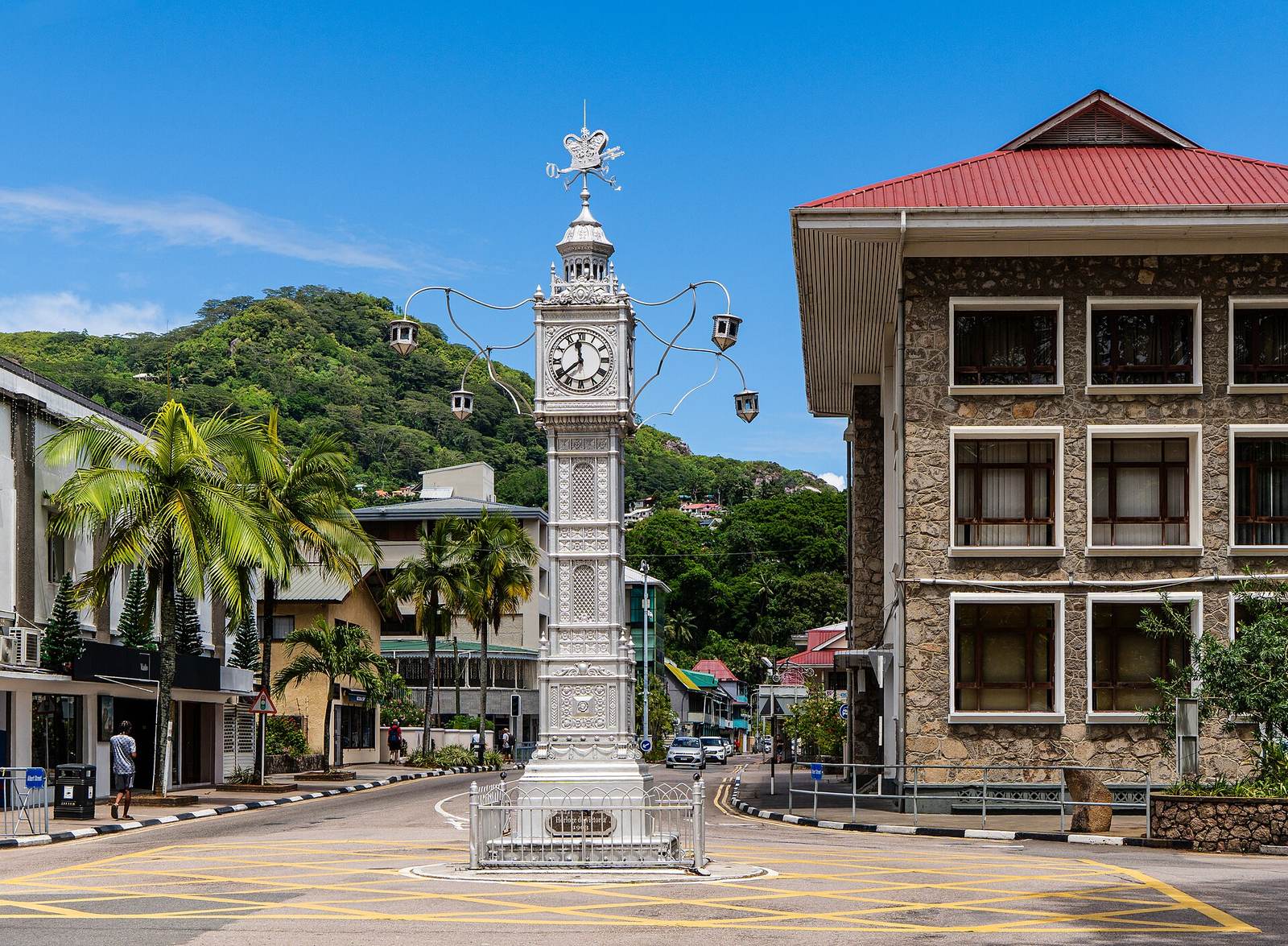
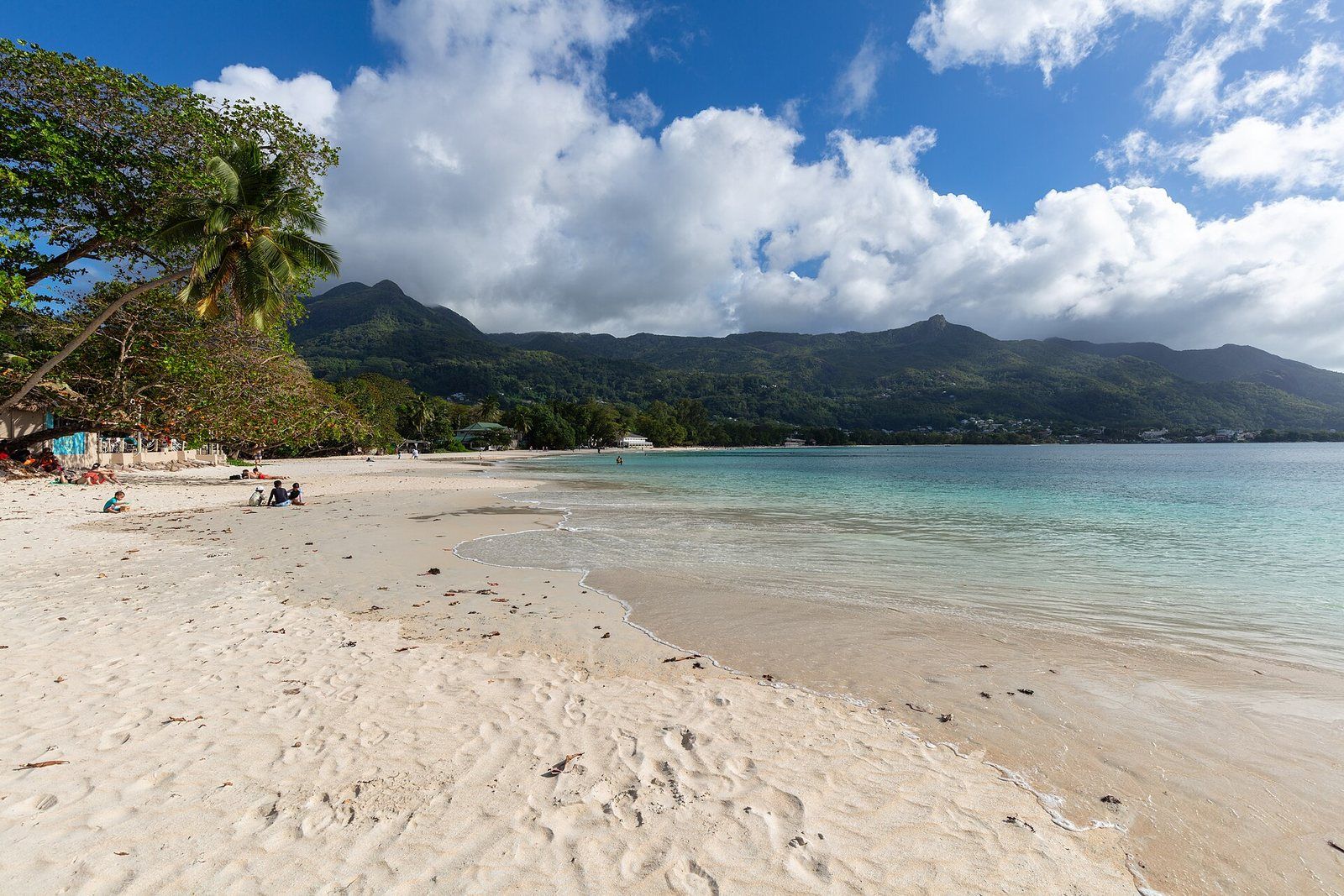
La Digue is small enough to cross by bicycle in twenty minutes, yet it holds an extraordinary variety of beaches, from sheltered lagoons to wild surf. The village of La Passe, where the ferry docks, has bakeries, small shops and bike hire stands, and life moves at the speed of a pedal.
Anse Source d'Argent and L'Union Estate
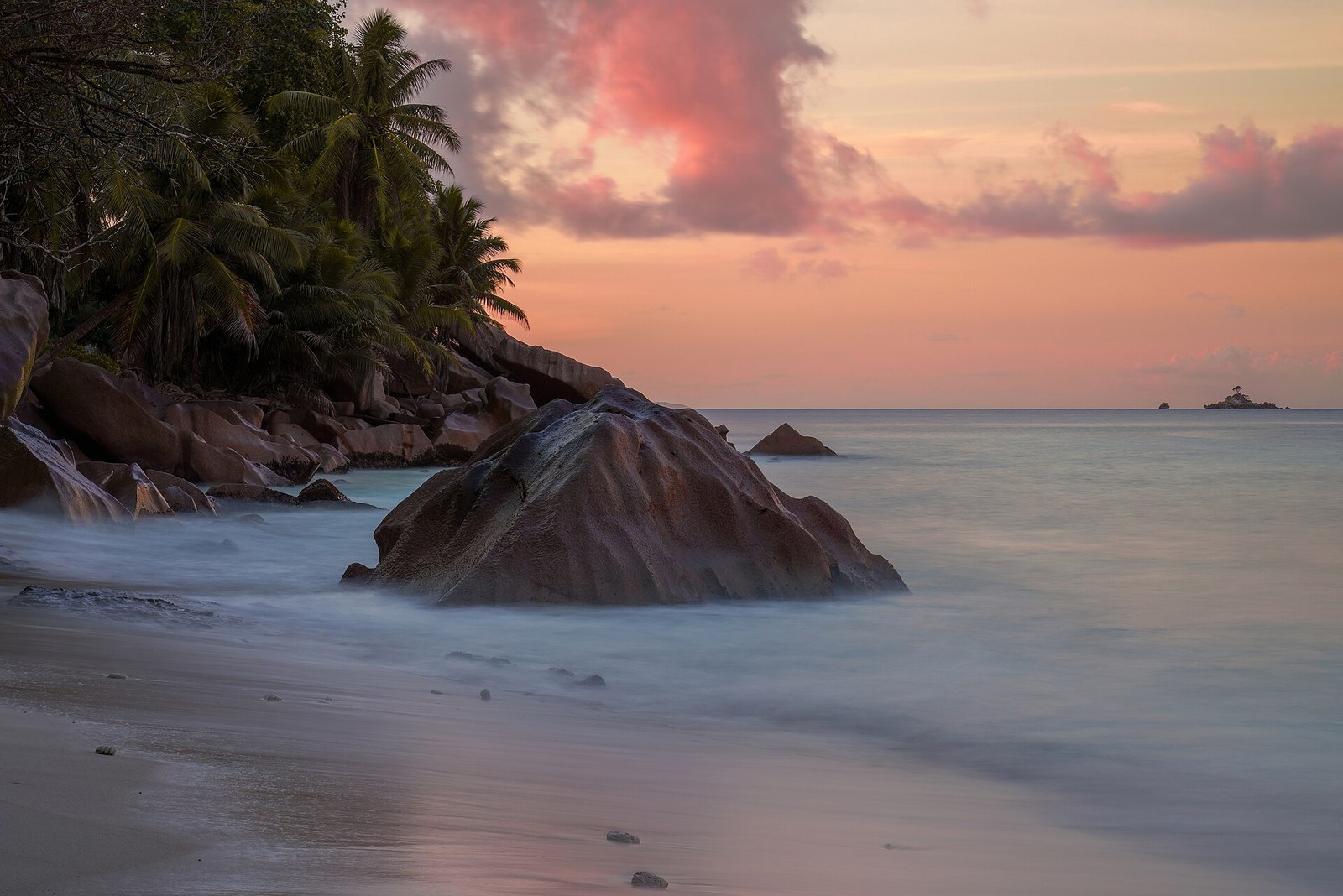
**Anse Source d'Argent** is the most famous beach in Seychelles: a series of small coves hidden between sculpted granite boulders, with shallow, glassy water inside the reef. It is reached through **L'Union Estate**, a former coconut and vanilla plantation with a copra mill, a colonial plantation house, an old cemetery and a pen of giant tortoises. There is an entry fee for the estate; check it on arrival. Go early or late in the day for the light and fewer people, and check the tide, because at very low tide the water is too shallow to swim and at high tide some coves shrink.
The east and south coasts
Cycle south east from La Passe and the road ends near **Grand Anse**, a wide, wild beach with big waves. A short walk over the rocks leads to **Petite Anse** and then **Anse Cocos**, one of the most beautiful beaches in the country. Strong currents and rip tides make swimming at these beaches dangerous for much of the year, especially from May to September. Paddle at the edges only and never swim alone. At Anse Cocos, a sheltered pool at the northern end is safer in calm weather.
The north and the interior
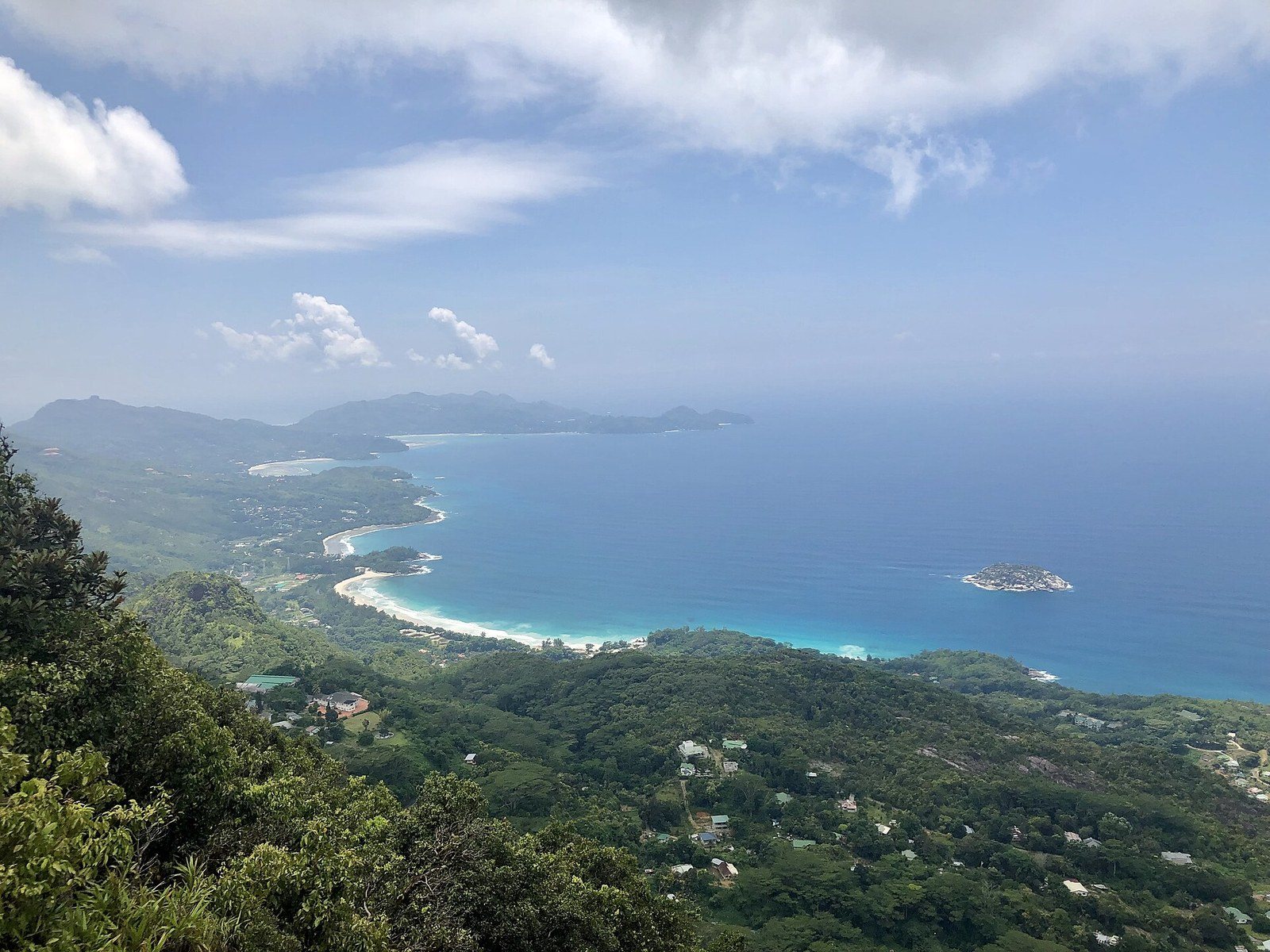
The coast road north of La Passe passes **Anse Sévère** and **Anse Patates**, small beaches with good snorkelling in calm seas, and then follows the shoreline round to the quiet north east. The **Veuve Nature Reserve** near La Passe protects the Seychelles paradise flycatcher, a rare bird with long black tail feathers that survives mainly on La Digue. A steep climb leads to **Nid d'Aigle**, the island's highest point, with views over Praslin and the outer islands.
Day trips by boat
Boats from La Passe run snorkelling trips to **Coco Island**, **Félicité** and **Grande Soeur**, with some of the clearest water and best reefs in the inner islands. Trips depend on the weather.
Getting there and around
Ferries run from Praslin (about fifteen minutes) and direct from Mahé on some sailings (around ninety minutes). Book ahead in high season. On arrival, hire a bicycle in La Passe; there are many stands and most guesthouses can arrange one. Electric buggy taxis are available for luggage and for those who prefer not to cycle. Lanes are flat on the west coast and hilly in the south and interior.
Where to stay
La Digue is full of family-run guesthouses and self-catering chalets, many with breakfast and creole dinners included. A few small boutique hotels sit along the west coast. Staying two or three nights lets you see Anse Source d'Argent in the quiet early morning.
Food
Small takeaways in La Passe sell creole curries and grilled fish at lunch, and guesthouses often cook dinner for guests. Fresh fruit juice and coconut stands are found near the beaches.
Tips for a smooth visit
Bring cash, as ATMs on La Digue can run out and many small places do not take cards. Use bike lights after dark and lock your bike at beaches. Pack reef shoes, sun protection and plenty of water for the ride. If you only have a day, combine L'Union Estate in the morning with Grand Anse in the afternoon, and see Praslin for an easy base nearby.
Questions about La Digue
Is La Digue worth a day trip or should I stay?
A day trip from Praslin is easy and covers the highlights. Staying one or two nights lets you enjoy the beaches in the quiet early morning and evening.
Do I need to know how to cycle?
It helps a lot, but electric buggy taxis and walking work too. The west coast roads are flat and gentle.
Is it safe to swim at Grand Anse?
Often not. Grand Anse and its neighbours have strong currents and rips for much of the year. Swim at calmer west coast beaches instead.
When is the best time for Anse Source d'Argent?
Early morning or late afternoon, ideally around mid tide. Check tide times with your guesthouse.
Facts checked . Fees, schedules and entry rules change, so always confirm the latest with the official source.