At a glance
- Best for
- Colonial history, markets and chocolate
- Gateway
- São Tomé International Airport (TMS)
- Time needed
- Two nights, plus day trips
- Best season
- June to September, and December to February
- Getting around
- On foot in the centre, taxis and moto taxis beyond
- Language
- Portuguese, with Forro on the street
Why the capital is worth your time
Many travellers rush straight out to the beaches, but a day or two here makes the rest of the trip richer. The city tells the story of the islands: Portuguese settlement in the fifteenth century, the sugar and slave trade, the cocoa boom that made São Tomé the world's top cocoa producer in the early twentieth century, the Batepá massacre of 1953 and independence in 1975. All of it sits within a few walkable blocks.
The sights to see
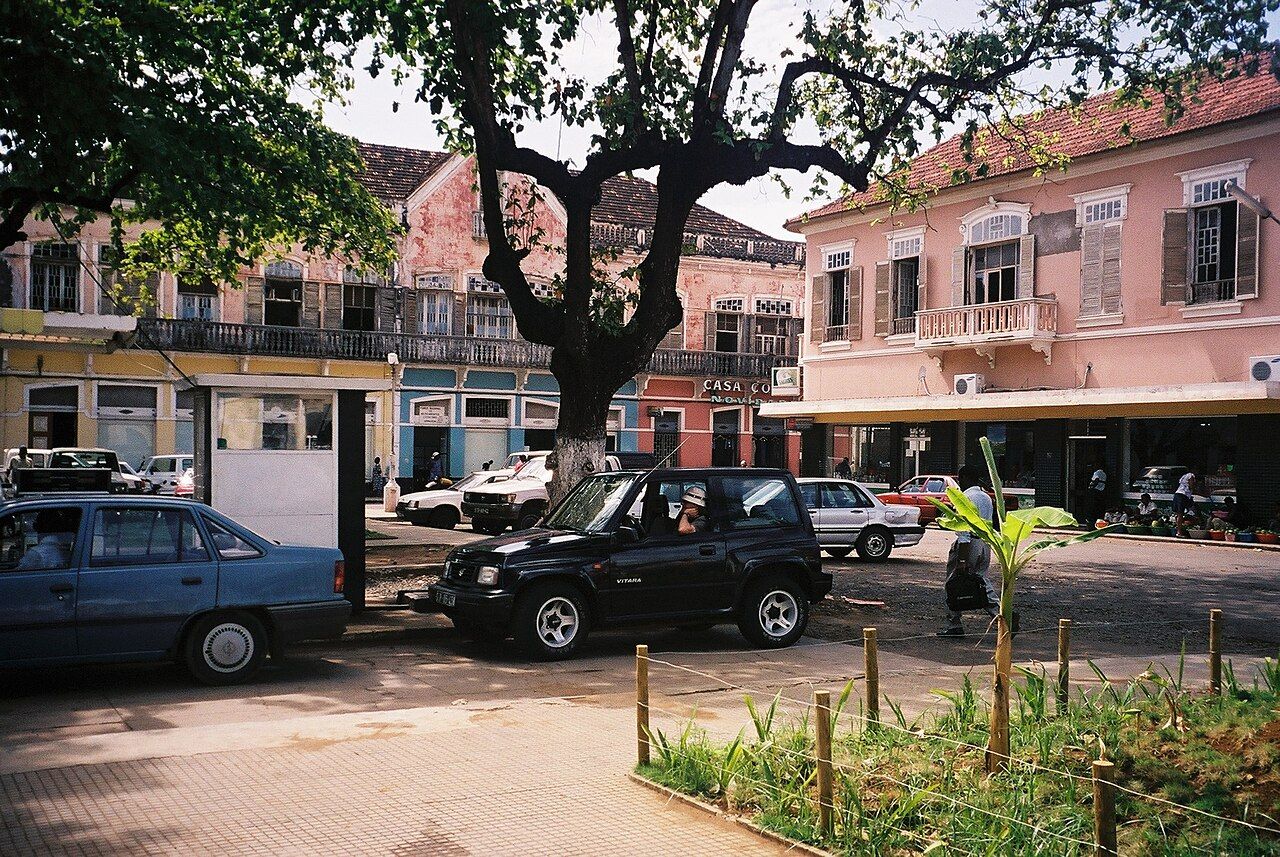
Start at the **Forte de São Sebastião**, a squat sixteenth century fort on the point at the end of the bay. Inside, the **Museu Nacional** holds colonial furniture, religious art and rooms on plantation life and the 1953 massacre, and the ramparts look out over the water. Walk back along the **Marginal 12 de Julho**, the seafront avenue, to the **Catedral de Nossa Senhora da Graça**, rebuilt many times on one of the oldest church sites in the region. The pink **Palácio Presidencial** stands nearby: admire it from the street and do not photograph the guards.
The **Mercado Municipal** is the city at its loudest and friendliest, with stalls of breadfruit, safu fruit, smoked fish and bright cloth. For contemporary culture, **CACAU**, an arts centre in an old warehouse, has exhibitions, concerts and a café, and hosts the country's art biennial.
Chocolate and coffee
The islands were once called the chocolate islands, and the capital is the best place to understand why. **Claudio Corallo**, an Italian chocolate maker who has worked on the islands for decades, runs tastings in his seafront house that walk you from bean to bar. Many cafés serve island coffee from the highlands.
Neighbourhoods to know
The **city centre** around the market and cathedral holds banks, shops and most budget hotels. The **seafront** has the larger hotels and the best evening walks. **Pantufo**, just south, is a fishing village where canoes land the day's catch, and the area towards the airport has guesthouses and the town beach at Praia Lagarto.
Where to stay
The capital has the widest choice on the islands: ocean front hotels on the seafront, boutique lodges near the airport, and simple guesthouses in the centre. It is the most practical base for your first and last nights, especially as international flights can be early or change at short notice.
What to eat
Look for **calulu**, a rich stew of smoked fish or chicken with greens and palm oil, **grilled fish** with fried banana or breadfruit, and **molho no fogo**, a spicy fish dish. Market food stalls are the cheapest and most authentic meals in town, while garden restaurants serve Portuguese influenced menus.
Staying safe and comfortable
The city is generally calm, but petty theft and bag snatching happen, especially after dark on quiet streets and along the seafront. Carry little, use a taxi at night, and keep your phone out of sight. Mosquitoes carry malaria here, so use repellent and follow your doctor's advice. Bring enough euros in cash, as foreign cards rarely work.
Questions about São Tomé city
How many days do I need in São Tomé city?
One full day covers the fort, cathedral, market and a chocolate tasting. Two nights lets you add a day trip to Água Izé and Boca do Inferno or the beaches near town.
Is São Tomé city walkable?
Yes. The centre and seafront are compact and flat, so you can walk between the main sights. Use taxis for longer trips and after dark.
Can I change money in the city?
Yes. Banks and exchange offices in the centre change euros into dobras, and many hotels accept euros directly. Do not rely on bank cards.
Is the city a good base for the whole trip?
It works for day trips to the north and east coasts, but the south and the highlands are far enough that a night or two there makes the journey easier and the visit more relaxed.
Facts checked . Fees, schedules and entry rules change, so always confirm the latest with the official source.