At a glance
- Best for
- Beaches, snorkelling, swimming holes and beach fales
- Airport
- Faleolo (APW), about an hour and a half to two hours to Lalomanu
- Time needed
- Three to five nights
- Best season
- May to October
- Getting around
- Local buses, taxis and transfers arranged by your stay
- Good base for
- To Sua, Lalomanu, Namu'a Island and Togitogiga
Why go
This is where most visitors fall in love with Samoa. The coast runs from Lalomanu at the eastern tip of Upolu, past Lotofaga and the waterfalls of the interior, to Siumu, Safata and Lefaga in the south west. Almost every beach belongs to a village or family, and staying in their beach fales is the best way to experience Samoan hospitality.
What to see
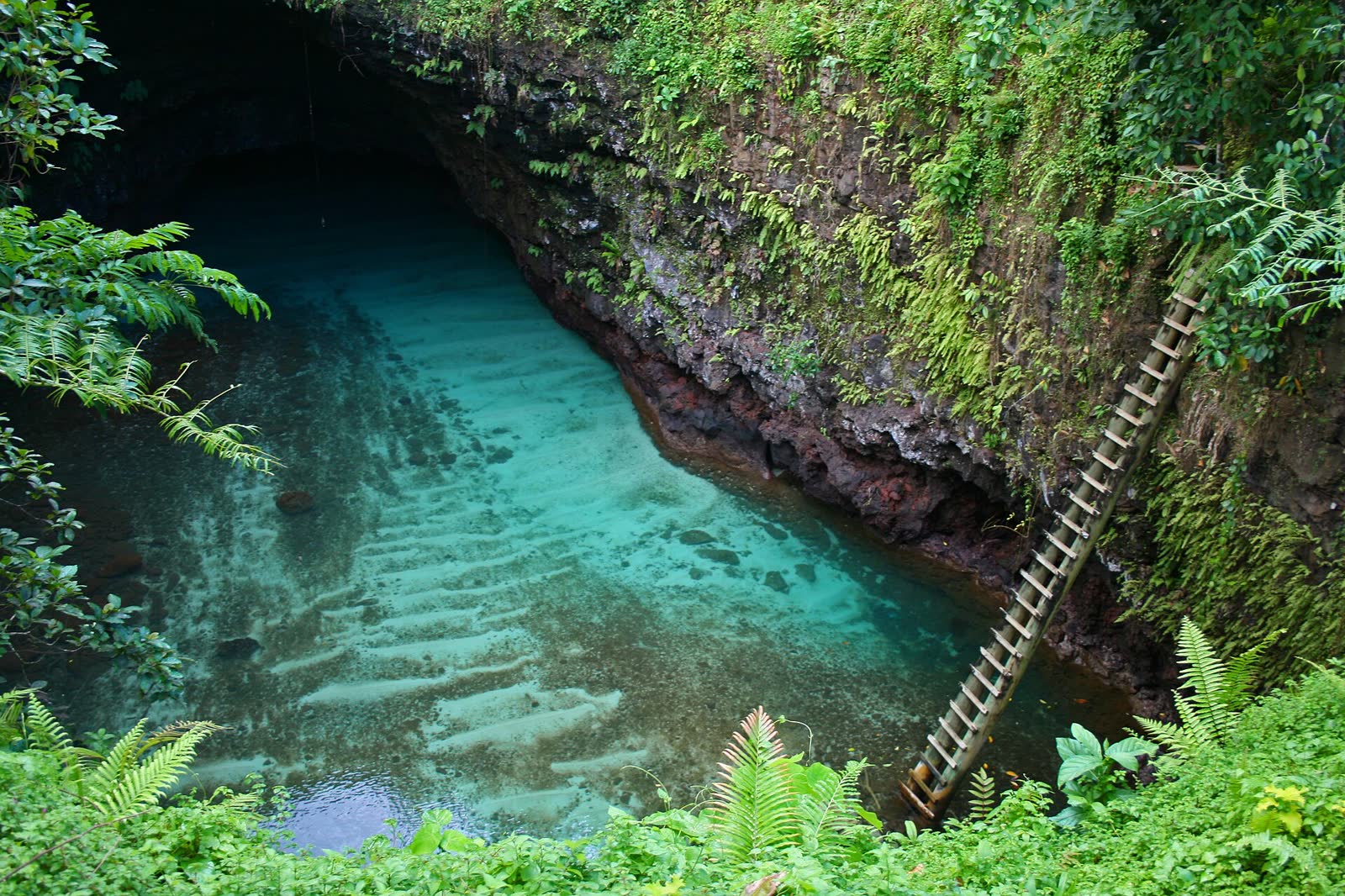
**To Sua Ocean Trench.** Near Lotofaga, a long wooden ladder leads down into a deep turquoise pool connected to the sea through a lava tunnel. It is the single most famous sight in Samoa. Go early for calm water and fewer people, and only swim if you are confident: the ladder is steep and the water can surge.
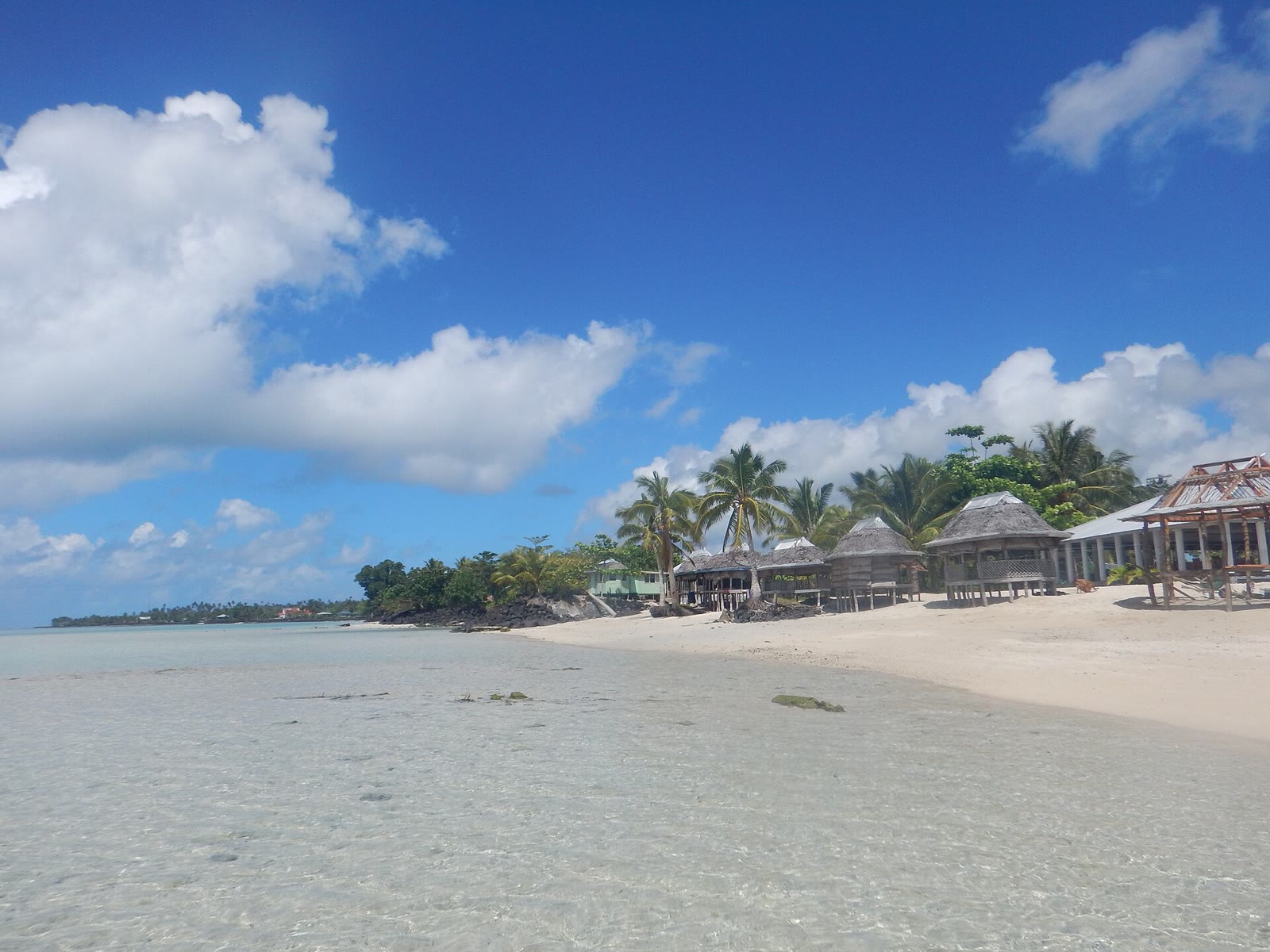
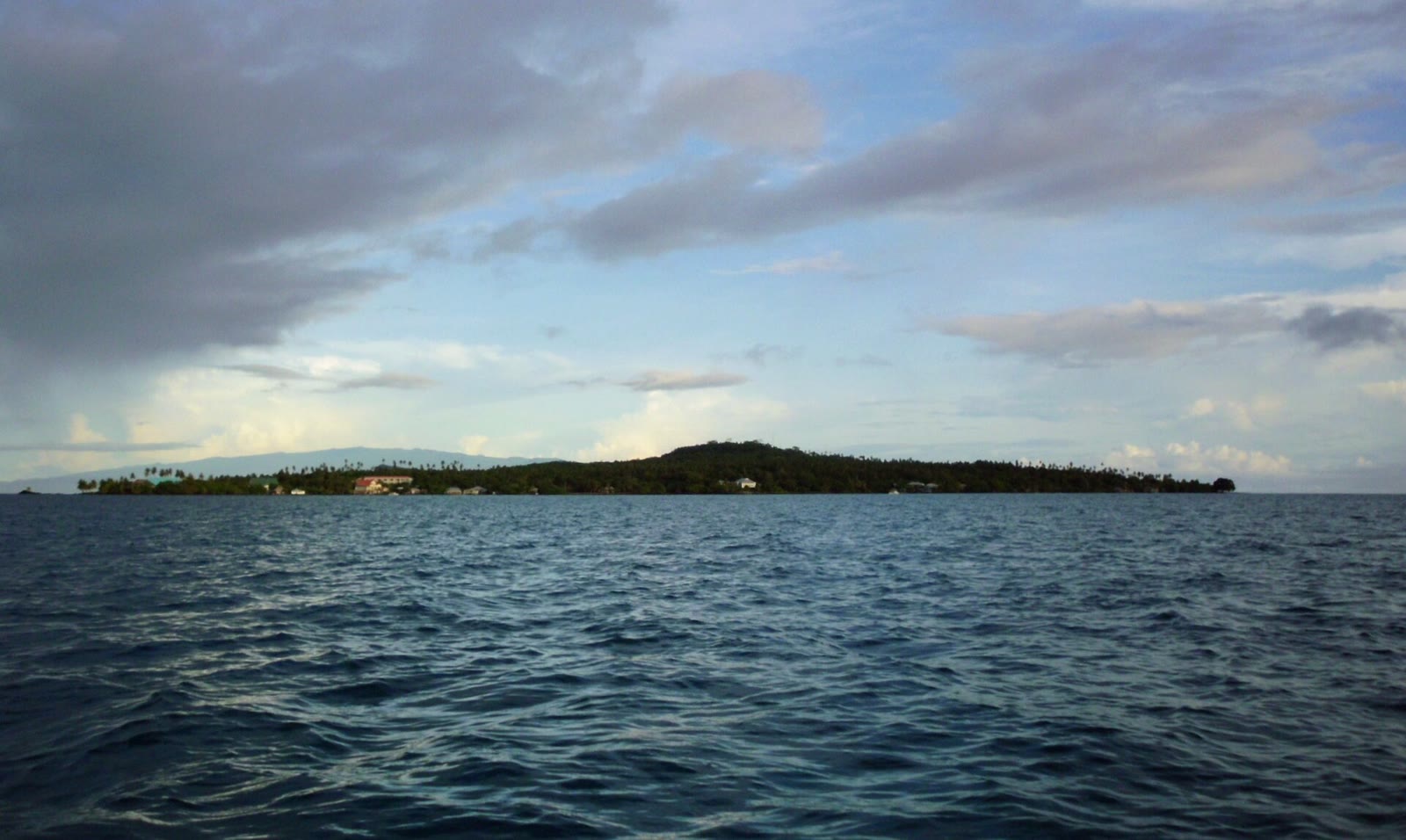
**Lalomanu Beach.** At the eastern tip of the island, a long white beach faces a bright lagoon and the small island of Nu'utele. Fales line the sand, and the snorkelling straight off the beach is good at high tide. This coast was badly hit by the 2009 tsunami, and the families who rebuilt here welcome visitors warmly.
**Namu'a Island.** A tiny island a short boat ride off Mutiatele, with simple fales, turtles in the lagoon and a steep hill walk for sunrise views.
**Waterfalls.** **Sopo'aga Falls** has a garden lookout over a deep gorge, **Fuipisia Falls** is a short walk through a plantation to a tall drop, and **Togitogiga Waterfall**, inside O Le Pupu-Pu'e National Park, has pools you can swim in.
**O Le Pupu-Pu'e National Park.** Samoa's oldest national park runs from the mountains to a wild lava coast, with forest trails for those who want a walk.
**Return to Paradise Beach.** In Lefaga on the south west coast, black rocks frame white sand where the 1953 film was shot. Nearby **Matareva Beach** is calm and sheltered for swimming.
Beach fales explained
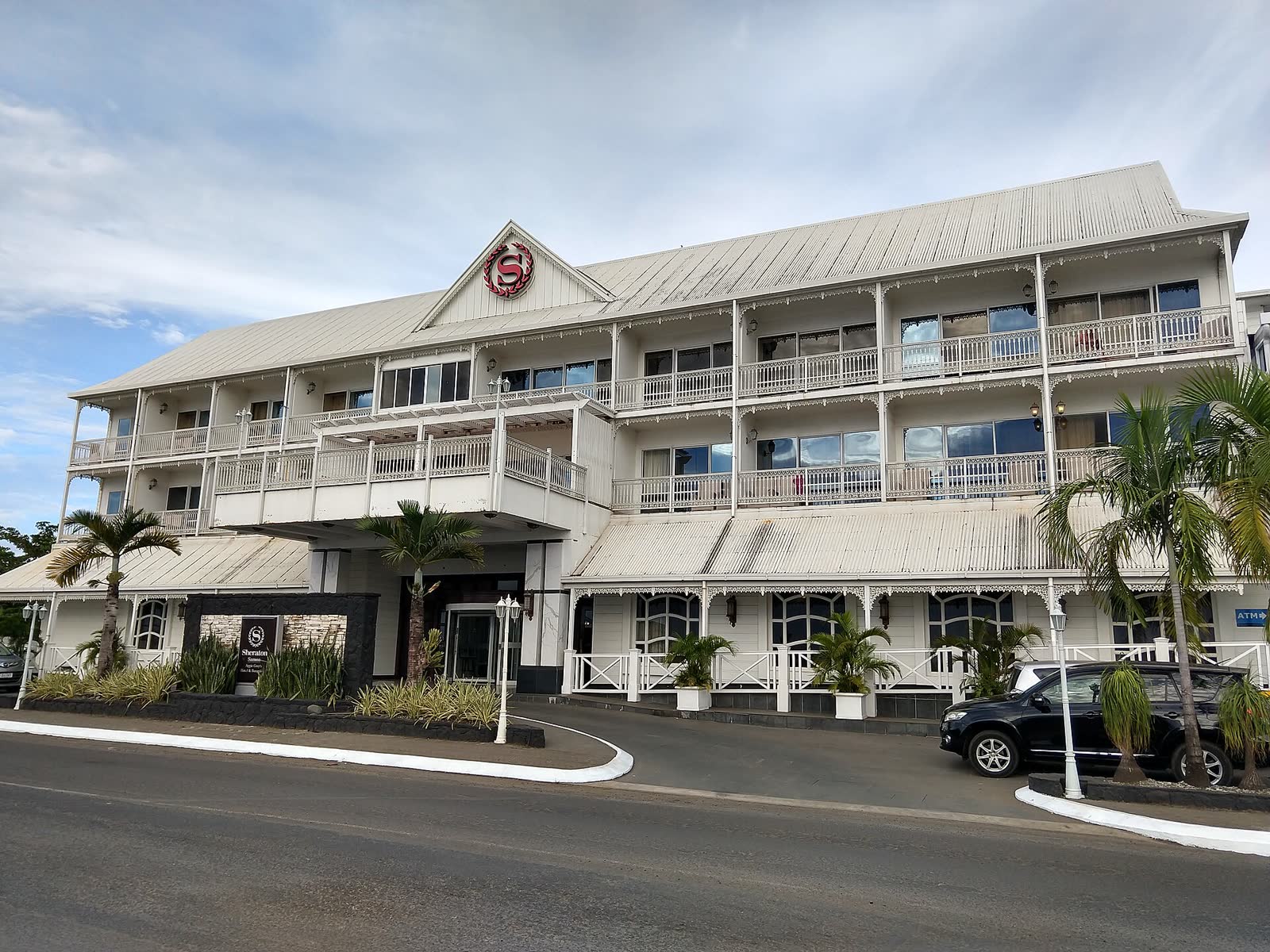
A beach fale is an open hut with a raised floor, a thatched or iron roof and woven blinds you lower at night. Most come with a mattress, a mosquito net, shared bathrooms and dinner and breakfast with the family. They are simple, social and unforgettable. If you want walls, air conditioning and a pool, the coast also has resorts, from relaxed family places to adults focused retreats.
Village custom fees
Beaches, waterfalls and swimming holes usually belong to a village or family, who charge a small custom fee for entry. It pays for upkeep and is part of the deal of visiting their land, so carry small notes in tala. Ask before swimming or walking on a beach that has no sign.
Getting there and around
From Apia, the Cross Island Road and the Le Mafa Pass road cross the mountains to the south coast in about an hour. Local buses run from the Apia bus station to the coast, but they are slow, irregular in the afternoon and rare on Sundays. Many fales and resorts can arrange transfers from the airport or Apia; ask when you book.
Where to stay
Lalomanu and the Aleipata coast suit those who want classic beach fales and lively evenings with other travellers. Lotofaga and Saleapaga are handy for To Sua. Siumu, Safata and Lefaga in the south west are quieter, with more resorts, and are closer to the airport and the Savai'i ferry.
Practical tips
There are few ATMs and shops on the south coast, so bring enough cash from Apia. Respect the evening prayer curfew and quiet Sundays. Wear reef shoes for rocky entries, and do not swim beyond the reef, where currents are strong.
Questions about Upolu's south coast
How long should I spend on Upolu's south coast?
Three to five nights is ideal, enough for To Sua, a couple of waterfalls, a day trip to Namu'a and plenty of time doing very little on the beach.
Is To Sua Ocean Trench safe to swim in?
It is safe for confident swimmers in calm conditions. The ladder is steep and the water can surge with the tide, so hold the rope and skip it if the sea is rough.
Do beach fales have electricity and showers?
Most have electricity in shared areas, shared toilets and cold showers. Bring a torch, insect repellent and a light layer for cool nights.
Can I visit the south coast as a day trip from Apia?
Yes, To Sua and one or two waterfalls make a full day trip, but staying at least a couple of nights is far more relaxing.
Facts checked . Fees, schedules and entry rules change, so always confirm the latest with the official source.