At a glance
- Best for
- Culture, markets, museums, food and a first night
- Airport
- Faleolo International Airport (APW), about an hour west
- Time needed
- One to two days
- Best season
- May to October, the drier months
- Getting around
- Walking, taxis and the colourful local buses
- Good base for
- Piula Cave Pool, Papase'ea Sliding Rocks and Mount Vaea
Why go
Apia is where Samoan culture is explained most clearly to visitors. In one or two days you can watch a tattooist at work, eat from an umu earth oven, wander a produce market, climb to a famous writer's grave and snorkel a deep reef hole straight off the beach. It is also the hub for the island's buses, banks and supplies, so most trips start and end here.
What to see
**Robert Louis Stevenson Museum.** The author of Treasure Island spent his last years at Villa Vailima in the hills above town, and Samoans called him Tusitala, the teller of tales. The house has been restored with his furniture and books, and guided tours tell the story well. From the grounds, the **Mount Vaea** trail climbs steeply through forest to his tomb, with wide views over Apia. Go early to avoid the heat.
**Samoa Cultural Village.** On Beach Road, Samoan hosts show tapa (siapo) making, weaving, wood carving and traditional tattooing, then cook an umu and share the food. It is one of the best introductions to Samoan life anywhere in the Pacific. Check the days it runs before you go.
**Markets.** Fugalei Market, the main produce market, is busiest on Saturday mornings, piled with taro, breadfruit, bananas and coconuts. The **Flea Market** at Savalalo, beside the main bus station, sells lavalava, carvings, siapo and souvenirs, with cheap food stalls behind it. Early risers can visit the fish market at Matautu.
**The waterfront.** Walk the seawall along Beach Road at sunrise or sunset, past the white **Immaculate Conception Cathedral**, government buildings and fishermen. The quiet **Mulinu'u Peninsula** at the western end has Parliament, royal tombs and the independence memorial.
**Palolo Deep Marine Reserve.** A short walk from the centre at Matautu, you can snorkel from the beach across the reef to a deep blue hole full of coral and fish. Go at mid to high tide.
**Museum of Samoa.** A small museum with clear displays on Samoan history, tools and the road to independence in 1962.
Day trips from Apia
- **Papase'ea Sliding Rocks:** natural rock slides into pools in the hills, loved by families.
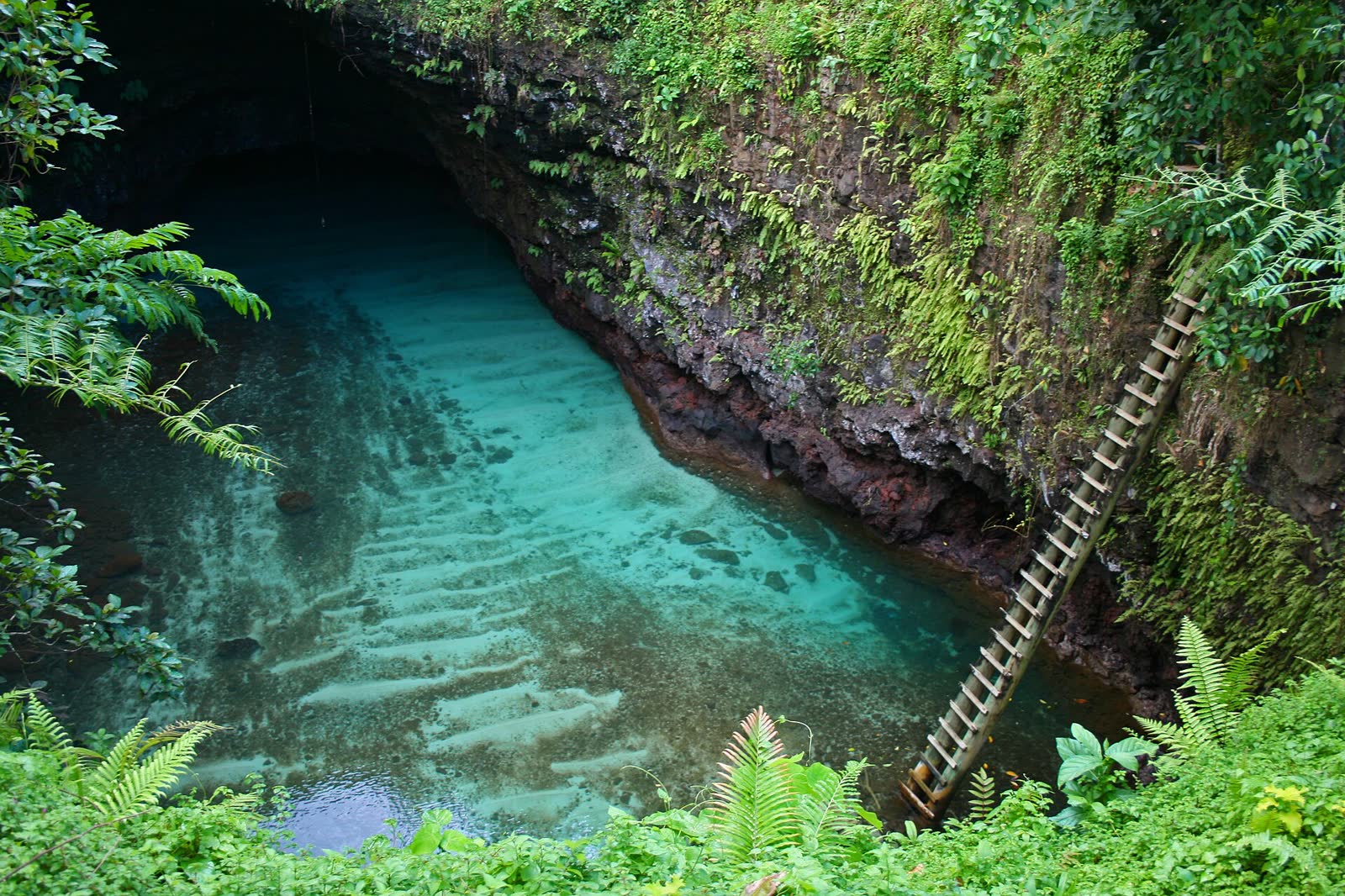
- **Piula Cave Pool:** a clear freshwater pool running into a cave by the sea, east of town.
- **Baha'i House of Worship:** a domed temple in quiet gardens at Tiapapata.
- **Papapapaitai Falls:** a roadside lookout on the Cross Island Road to the south coast.
- **Lake Lanoto'o:** a muddy guided hike to a crater lake in the highlands, for the adventurous.
Eating and nightlife
Apia has the widest choice of food in Samoa: waterfront Italian and seafood restaurants, cafés serving Samoan coffee and koko Samoa, and cheap plates of sapasui and oka at the market. A **fiafia night**, a buffet dinner with Samoan song, siva dancing and fire knife performers, is held at several hotels during the week and is worth one evening. Nightlife is small and friendly, with a few bars along Beach Road.
Where to stay
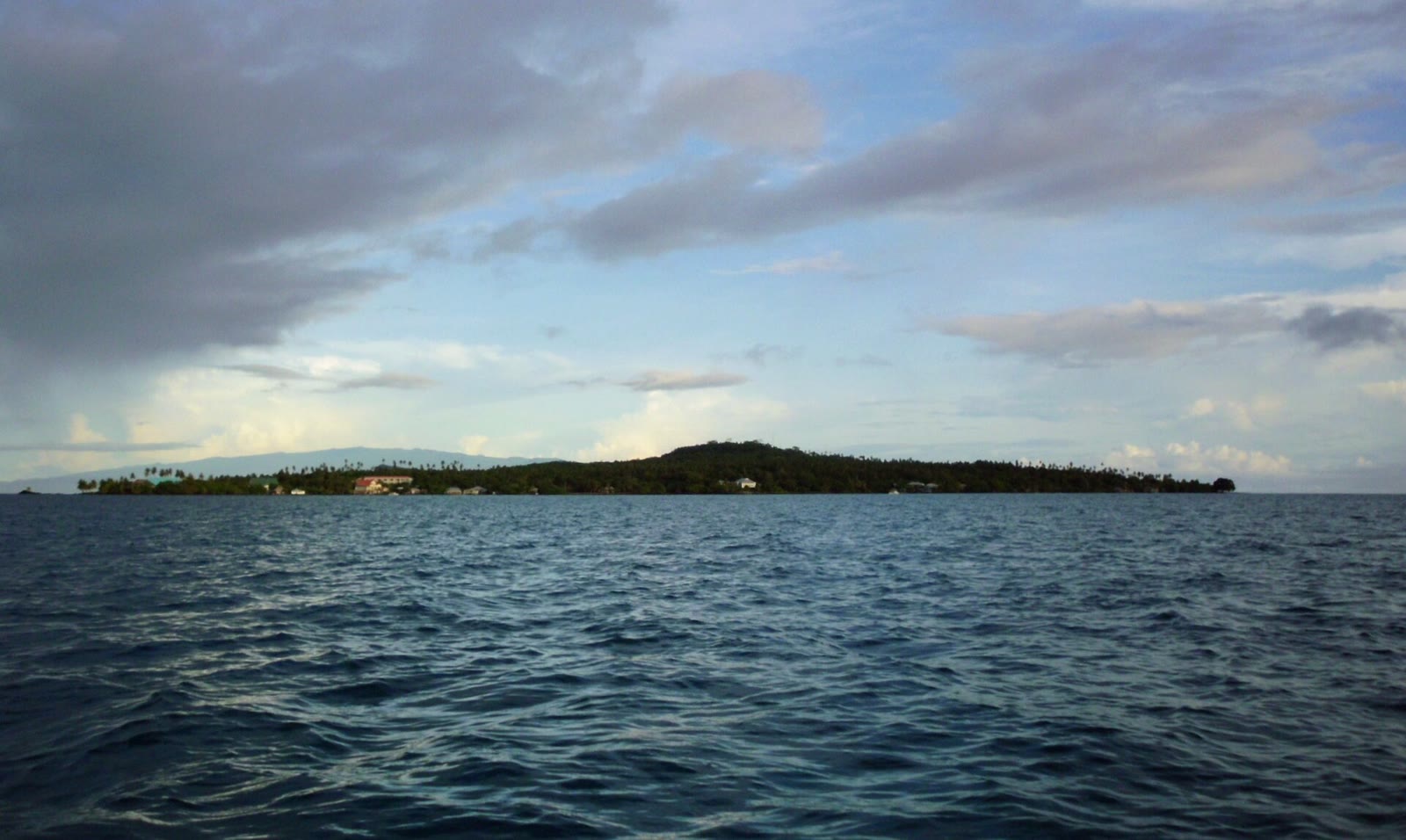
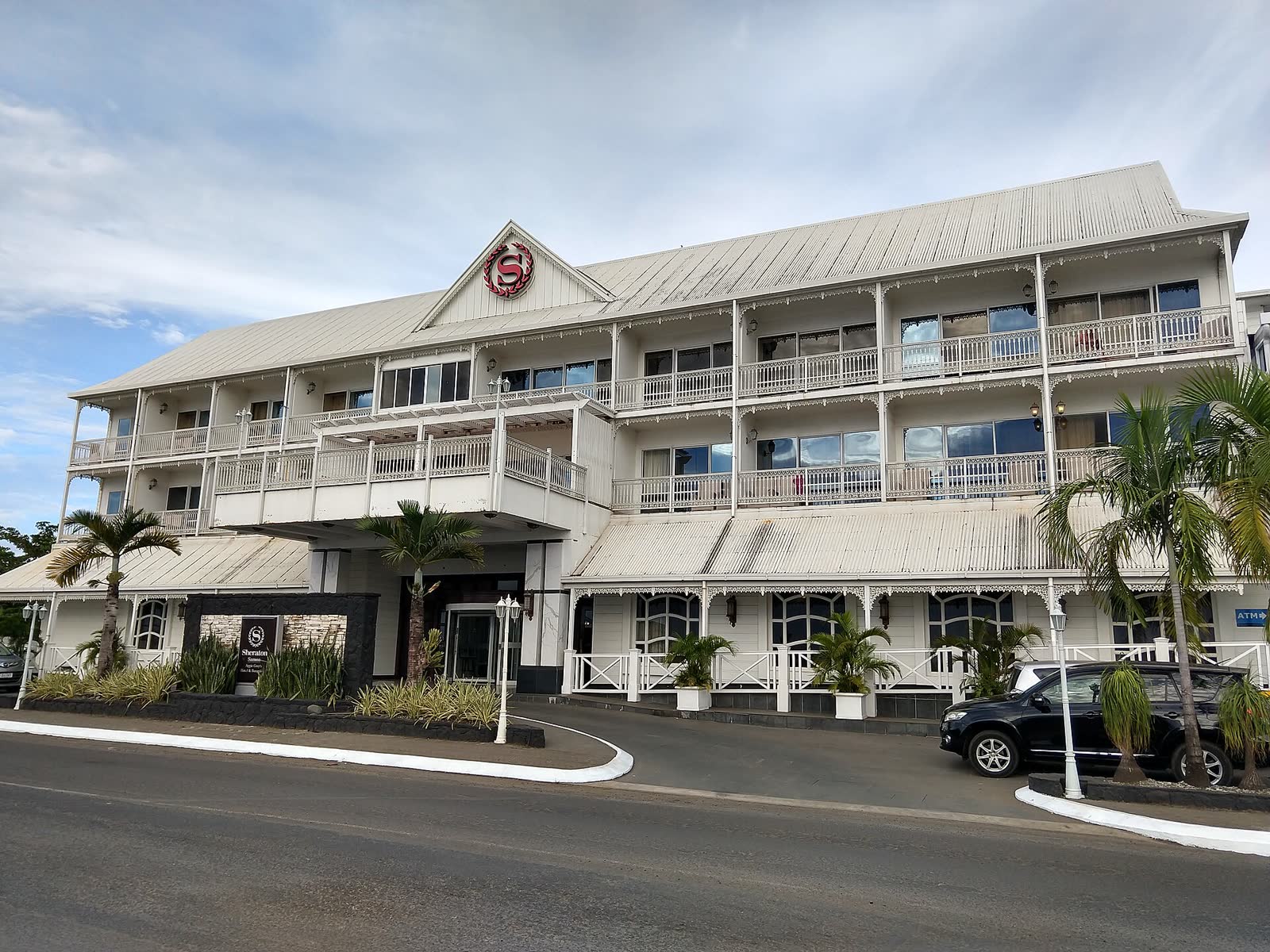
The waterfront along Beach Road is the most convenient area, with the large hotels, mid-range places and budget inns all within walking distance of the centre. Taumeasina, a few minutes east, has a resort on its own small island. Quieter guesthouses sit in the hills at Alafua and Moto'otua. Most visitors only need one or two nights here before heading to the coast.
Practical tips
Apia has the banks, ATMs, phone shops and supermarkets, so stock up on cash before you leave for the south coast or Savai'i. Taxis have no meters, so agree the fare first. On Sundays almost everything closes, and on weekday evenings many villages observe a short prayer curfew. Dress modestly away from the hotel pool, and cover shoulders and knees in churches.
Questions about Apia
How many days do I need in Apia?
One full day covers the Stevenson museum, the cultural village, the markets and the waterfront. Add a second day for Palolo Deep, Piula Cave Pool or the sliding rocks.
How far is Apia from the airport?
Faleolo International Airport is about forty kilometres west of Apia, usually around an hour by road. Many flights arrive at night, so arrange your transfer with your hotel in advance.
Is Apia worth staying in, or should I go straight to the beach?
One night in Apia is worth it for cash, a SIM card and a gentle introduction to Samoan culture. Most of Samoa's best beaches are elsewhere, so keep your longer stays for the coast.
Is Apia safe at night?
Apia is generally calm, but streets are dark and roaming dogs can be a nuisance. Take a taxi after dark rather than walking long distances, and keep valuables out of sight.
Facts checked . Fees, schedules and entry rules change, so always confirm the latest with the official source.