At a glance
- Best for
- Port wine, architecture, food and river views
- Airport
- Porto Francisco Sá Carneiro (OPO), about thirty minutes by metro
- Time needed
- Two to four days
- Best season
- April to October
- Getting around
- Walking, metro, buses and historic trams
- Good to know
- Rain is common from November to March, so pack a jacket
Why go
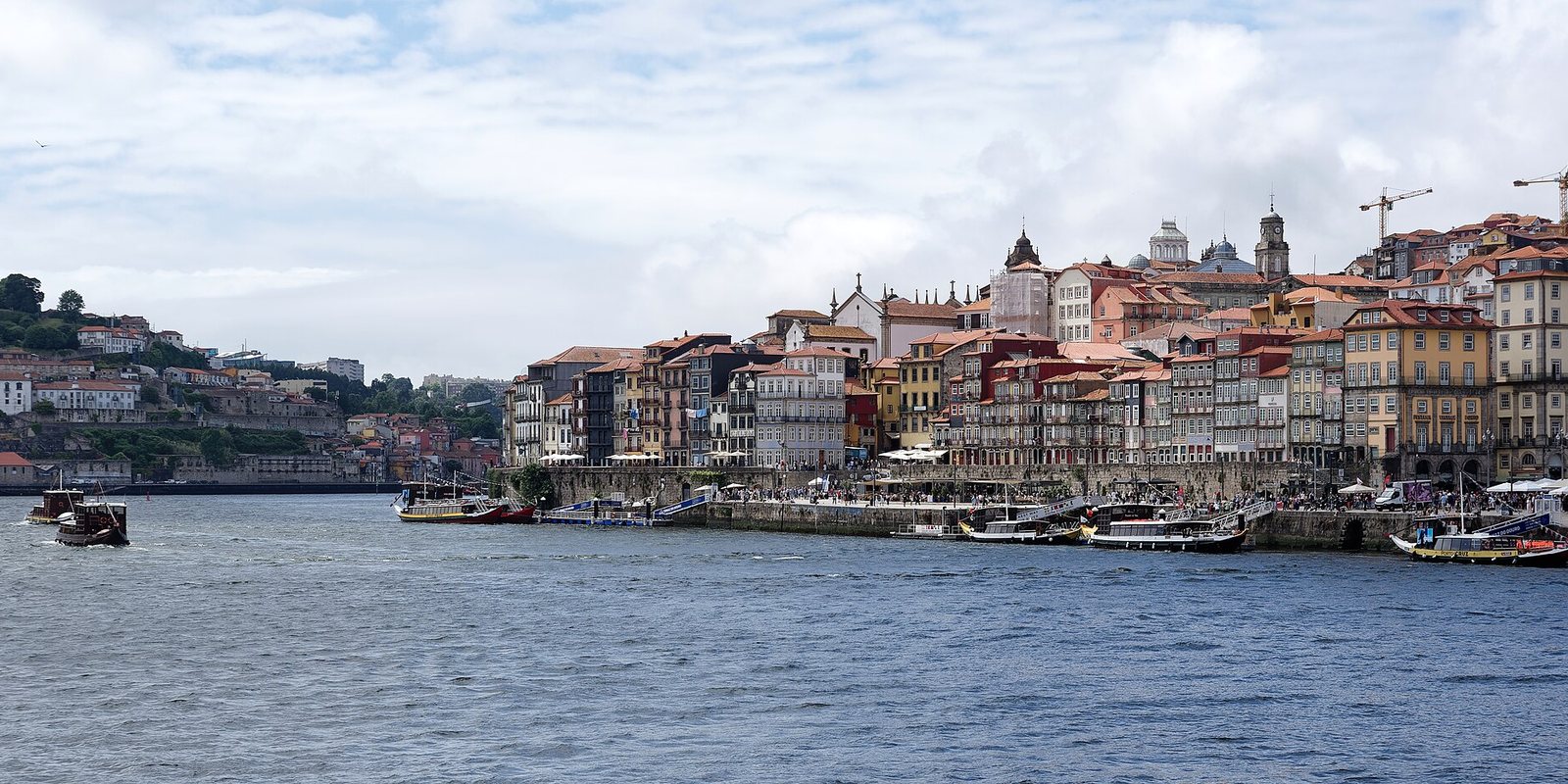
Porto's historic centre is a UNESCO World Heritage Site, and it is easy to see why: the Ribeira waterfront, the iron Dom Luís I bridge and the stacked houses of the old town make one of Europe's great city views. It is compact, packed with tiled churches, bookshops and cafés, and makes a perfect base for the Douro Valley, the oldest demarcated wine region in the world, and for the historic towns of Braga and Guimarães.
Neighbourhoods to know
**Ribeira** is the riverfront heart, busy with terraces, boat trips and street musicians. **Baixa**, uphill, is the centre for shopping, cafés, São Bento station, the Clérigos Tower and Livraria Lello. **Cedofeita** and the **Rua Miguel Bombarda** area have galleries, vintage shops and good places to eat. **Vila Nova de Gaia**, across the river, is a separate city where the port lodges line the waterfront. **Foz do Douro**, where the river meets the sea, has a promenade, beaches and seafood. **Matosinhos**, just north, is famous for its street of fish grills.
Top things to do
Walk across the top deck of the Dom Luís I bridge for the classic view, then ride the cable car down to the Gaia waterfront. Tour a port lodge such as Graham's, Taylor's or Sandeman and learn the difference between ruby, tawny and white port. Look up at the blue and white tiles in São Bento station and on churches such as Santo Ildefonso and Capela das Almas. Climb the Clérigos Tower, book a slot at Livraria Lello, and take a short six bridges river cruise. Spend half a day at the Serralves Foundation for contemporary art and gardens, and catch the old tram 1 along the river to Foz for sunset over the Atlantic.
Food and drink
Porto's signature dish is the **francesinha**, a sandwich of meats under melted cheese and a rich beer and tomato sauce, usually with chips. Locals are known as tripeiros for their love of **tripas à moda do Porto**, a tripe and bean stew. Try the roast pork sandwich at Casa Guedes, salt cod in many styles, and fresh grilled fish in Matosinhos. The restored Bolhão market is a good place to graze. Port is the drink to try, along with crisp vinho verde from the Minho.
Day trips
The **Douro Valley** is the highlight: terraced vineyards along a winding river, reached by train to Peso da Régua or Pinhão, by river cruise, or on a small group tour. **Guimarães** is the birthplace of Portugal with a castle and a lovely medieval centre. **Braga** has the baroque staircase of Bom Jesus do Monte. **Aveiro**, to the south, has canals, painted moliceiro boats and striped beach houses at Costa Nova.
Where to stay
First timers usually do best in **Baixa** or around **Aliados**, central and close to the metro and São Bento. **Ribeira** has the views but is steep and busy. **Gaia** suits those wanting river views and quieter evenings. Families and beach lovers may like **Foz**.
Getting around
Porto is compact but very steep. The metro runs from the airport to the centre and to Gaia, and an Andante card works on the metro, buses and some trains. The Guindais funicular links the river to Batalha. Trains to Lisbon and the Douro leave from Campanhã, with some local lines from São Bento.
Staying safe
Porto is safe, with petty theft the main concern on crowded trams, in Ribeira and around the station. Riverside steps and cobbles are slippery when wet. Check your own government's travel advice before you go.
Questions about Porto
How many days do I need in Porto?
Two days covers the old town and a port tasting. Add a third day for the Douro Valley and a fourth for Braga or Guimarães.
Lisbon or Porto?
Both if you can. They are about three hours apart by train. Lisbon is bigger and sunnier, Porto is more compact and many find it more atmospheric.
Is the Douro Valley worth a day trip?
Yes. Take the scenic train from São Bento or Campanhã to Pinhão, or join a small group tour that includes quinta tastings and a short river cruise.
Do I need to book Livraria Lello?
Yes, entry works with paid timed tickets bought online. Go at opening time to avoid the longest queues.
Facts checked . Fees, schedules and entry rules change, so always confirm the latest with the official source.