At a glance
- Best for
- Hiking, gardens, views and a mild climate all year
- Airport
- Madeira Cristiano Ronaldo (FNC), about twenty minutes from Funchal
- Time needed
- Five to seven days
- Best season
- All year; April to October for the driest hiking
- Getting around
- Buses, taxis and organised walking tours
- Good to know
- Strong winds can divert flights, so keep your last day flexible
Why go
Madeira is a nature lover's island with a gentle pace. You can hike through ancient laurel forest, a UNESCO World Heritage Site, walk along a narrow water channel cut into a cliff, stand above the clouds on mountain peaks and swim in volcanic rock pools, all in a few days. Funchal, the capital, is a pleasant small city with gardens, markets, a seafront promenade and the old lodges where Madeira wine is aged. It works all year, which makes it popular in winter too.
Funchal
The **Zona Velha**, the old town, has painted doors on Rua de Santa Maria, small bars and restaurants. The **Mercado dos Lavradores** is full of tropical fruit, flowers and black scabbard fish. Take the cable car up to **Monte** for the **Monte Palace Tropical Garden** and the church where the last Austrian emperor is buried, then ride down in the famous **wicker toboggans** steered by men in straw hats. The **Botanical Garden** and the **Blandy's Wine Lodge** are also worth a visit.
Levada walks and mountains
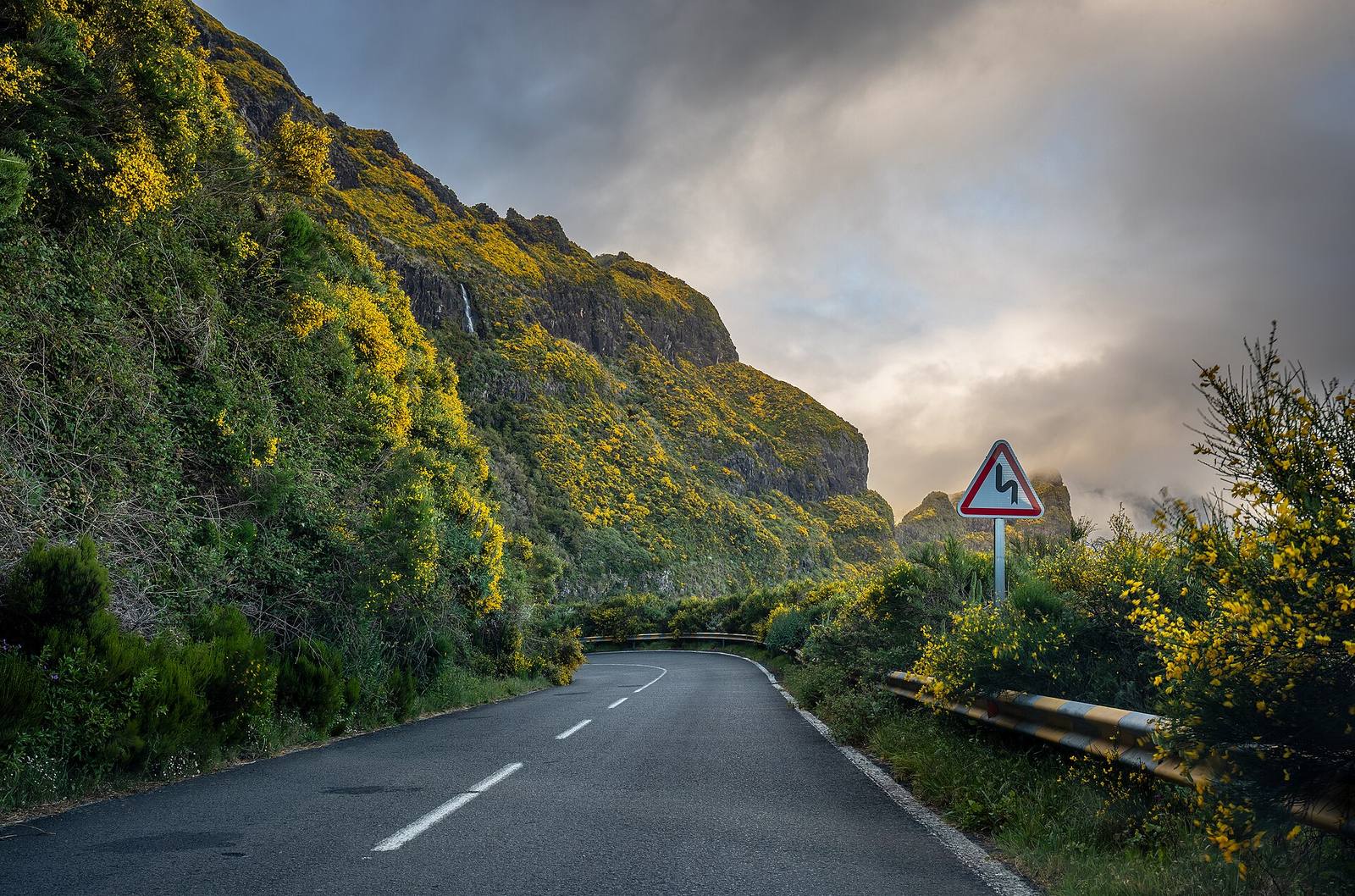
Levadas are old water channels with paths alongside, many fairly level, which makes them easy hikes with big views. **Levada das 25 Fontes** and **Risco** at Rabaçal lead to waterfalls and pools. **Levada do Caldeirão Verde** near Santana runs through forest and tunnels to a tall waterfall. The **Pico do Arieiro to Pico Ruivo** trail links the island's highest peaks along a dramatic ridge; it is demanding and sometimes closed after rockfalls, so check its status first. **Ponta de São Lourenço**, at the eastern tip, is a bare, colourful peninsula with ocean on both sides. Bring a torch for tunnels, layers for changing weather and proper shoes.
Around the island
On the north coast, **Porto Moniz** has natural lava pools filled by the ocean. **Fanal** is an ancient laurel forest often wrapped in mist. **Santana** has triangular thatched houses. **Cabo Girão** has a glass skywalk on a very high sea cliff. **Câmara de Lobos** is a fishing village where Churchill once painted. A ferry reaches **Porto Santo**, the neighbouring island, with a long golden sand beach that Madeira itself lacks.
Food and drink
Try **espetada**, beef skewers grilled on bay wood; **espada**, black scabbard fish, often with banana; **bolo do caco**, a flat garlic butter bread; and **lapas**, grilled limpets. **Poncha**, made with sugar cane spirit, honey and lemon, is the local drink, and Madeira wine ranges from dry to rich and sweet.
Events
The **Flower Festival** in spring fills Funchal with parades, and the **New Year fireworks** over the bay are among the most famous in the world. The **Atlantic Festival** in June brings fireworks competitions, and the **Wine Festival** in September celebrates the harvest.
Where to stay
Most first timers base themselves in **Funchal** for easy access to buses, tours and restaurants. **Calheta** in the southwest is sunnier and good for the west of the island. Hikers may like a few nights in the north around **Santana** or **São Vicente** to be close to the trails.
Getting around
Buses link Funchal with most towns, but services to remote trailheads are limited, so many visitors join small group hiking tours or use taxis. Roads are steep and winding with many tunnels.
Staying safe
Madeira is very safe. The main risks are on the trails: rockfalls, narrow paths, sudden fog and tunnels. Check the official trail status before you set off and do not walk closed paths. Check your own government's travel advice before you go.
Questions about Madeira
How many days do I need in Madeira?
Five days covers Funchal, two or three levada walks and a tour of the north coast. A week is better for serious hikers.
Is Madeira good for beaches?
Madeira has few sandy beaches, but it has natural rock pools and lidos. For a long sandy beach, take the ferry or flight to Porto Santo.
Are levada walks hard?
Many are easy and fairly level. Some have steep drops, narrow sections and tunnels, so read the route and check the official trail status.
Are flights to Madeira often delayed?
Strong winds sometimes delay or divert flights at Funchal airport. Keep a buffer day before an onward international connection.
Facts checked . Fees, schedules and entry rules change, so always confirm the latest with the official source.