At a glance
- Best for
- Viewpoints, history, food, fado and nightlife
- Airport
- Lisbon Humberto Delgado (LIS), about twenty to thirty minutes by metro
- Time needed
- Three to four days
- Best season
- March to June and September to November
- Getting around
- Walking, metro, trams, funiculars and ride hailing
- Good to know
- Steep cobbles get slippery, so wear shoes with grip
Why go
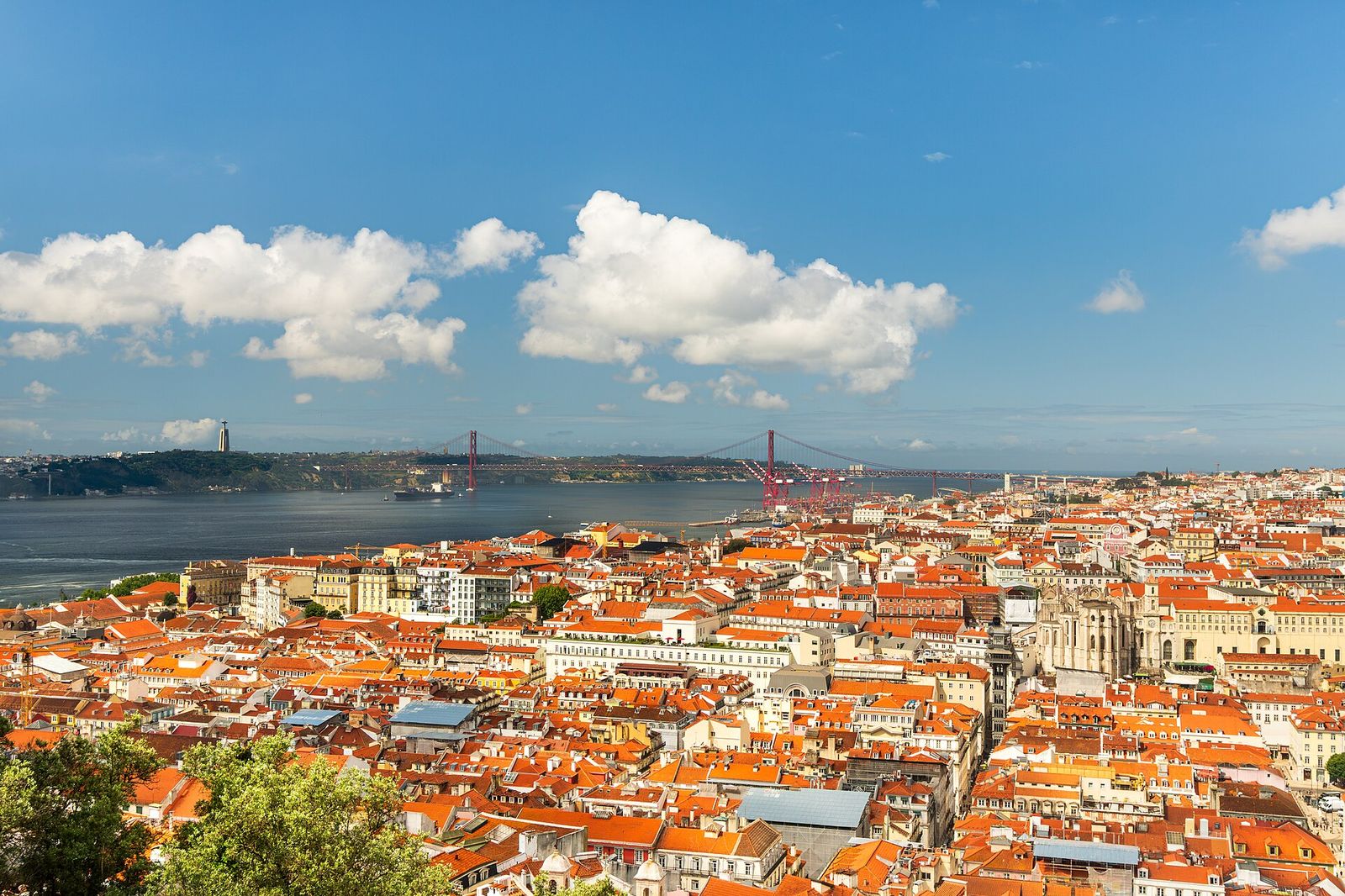
Lisbon rewards wandering. The old quarters of Alfama and Mouraria survived the great earthquake of 1755 and keep their maze of stairways, washing lines and tiny squares. The rebuilt Baixa below is a grid of grand streets leading to the riverside Praça do Comércio. To the west, Belém holds the monuments of the Age of Discovery, and across the city a new wave of museums, food halls and rooftop bars keeps things lively. It is also a gateway: Sintra, Cascais, the Setúbal Peninsula and the beaches of Costa da Caparica are all within an hour.
Neighbourhoods to know
**Alfama** is the oldest quarter, crowned by the Castelo de São Jorge, with fado houses, the cathedral and the viewpoints of Santa Luzia and Portas do Sol. **Graça**, above it, has the high viewpoints of Senhora do Monte and Graça and a more local feel. **Baixa** and **Chiado** are the elegant centre, with shops, historic cafés and the Santa Justa lift. **Bairro Alto** is quiet by day and packed with bars by night. **Príncipe Real** has gardens, concept stores and good restaurants. **Cais do Sodré** is the riverside nightlife hub and home of the Time Out Market. **Belém** has the Jerónimos Monastery, Belém Tower and the original custard tart bakery. **Parque das Nações**, built for Expo 98, is modern and flat, with the Oceanarium and riverside paths.
Top things to do
Climb to the castle early for the views, then wander down through Alfama. Ride a historic tram such as the 28 or the 12, ideally early in the morning before the queues build. Spend half a day in Belém for the monastery cloisters, the tower, the Monument to the Discoveries and the MAAT. See the National Tile Museum and the Gulbenkian, two of the best museums in the country. In the evening, catch the sunset from a miradouro, then hear fado over dinner in Alfama or Mouraria. Take the ferry across to Cacilhas for a riverside lunch with a view back to the city.
Food and drink
Lisbon eats well and simply. Look for grilled sardines in June, bacalhau in many forms, bifanas (pork sandwiches), clams in garlic and coriander, and seafood at a cervejaria. The custard tart, pastel de nata, is everywhere, but the warm ones in Belém are the classic. A shot of ginjinha, a sour cherry liqueur, is a city ritual. Tascas, small family restaurants, serve a daily dish at lunchtime and are the best value meals in town. Note that bread, olives and cheese placed on your table are usually charged if you eat them.
Day trips
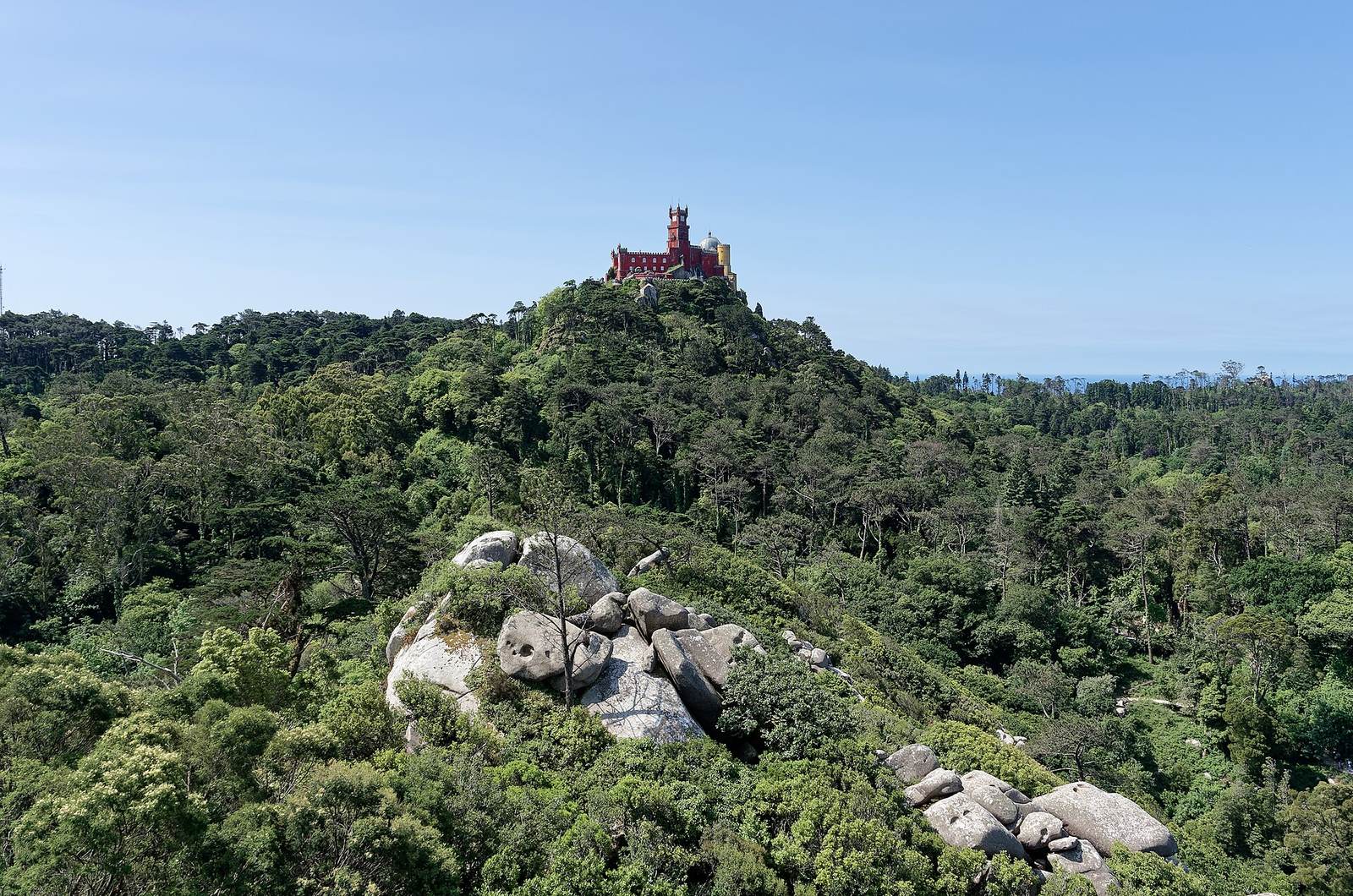
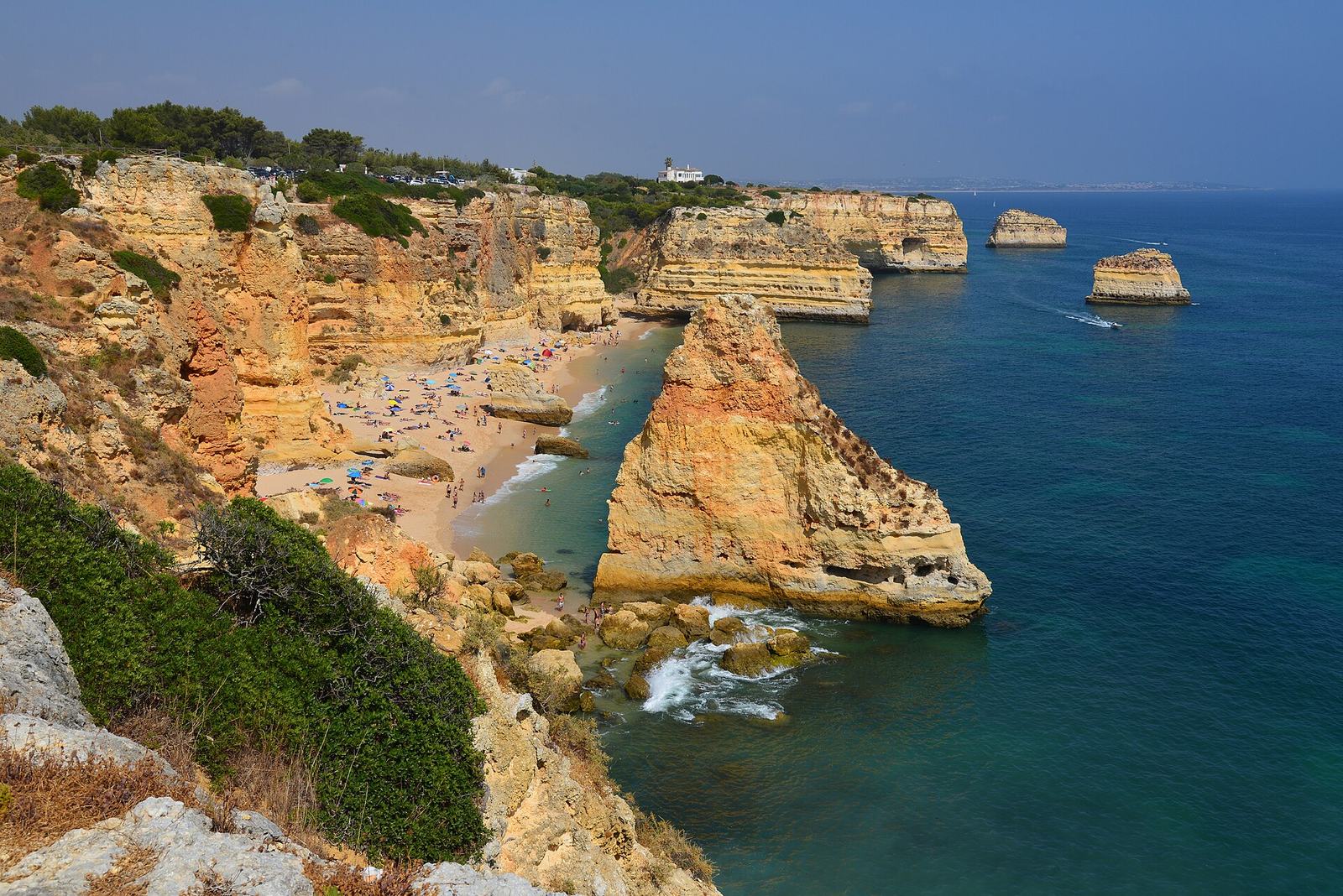
Sintra, with its palaces and gardens, is the most popular day trip, about forty minutes by train from Rossio. Cascais and Estoril are seaside towns on the train line from Cais do Sodré. South of the river, the Arrábida Natural Park has some of Portugal's prettiest beaches, and Setúbal is famous for fried cuttlefish. Further north, Óbidos is a walled medieval town and Nazaré is home to giant winter waves.
Where to stay
First timers usually do best in **Baixa** or **Chiado**, which are central, flatter than most areas and close to transport. **Alfama** is atmospheric but steep and can be noisy on festival nights. **Príncipe Real** and **Avenida da Liberdade** suit those wanting quieter, more upmarket stays. Light sleepers should avoid Bairro Alto and Cais do Sodré.
Getting around
The metro is clean and simple and runs to the airport. Trams, funiculars and buses cover the hills. A rechargeable Navegante or Viva Viagem card works across them, and contactless bank cards are accepted at many ticket gates. Ride hailing apps are widely used. Walking is the best way to see the old quarters, but pace yourself: the hills are steep and the polished limestone cobbles get slippery when wet.
Staying safe
Lisbon is safe, but pickpockets work on Tram 28, the Santa Justa lift and busy viewpoints, so keep bags zipped and in front. Ignore men offering drugs in Baixa and Bairro Alto: it is a common scam selling fake substances. Check your own government's travel advice before you go.
Questions about Lisbon
How many days do I need in Lisbon?
Three days covers the old quarters, Belém and a museum or two. Add a fourth day for Sintra.
Is Tram 28 worth it?
Yes for the route, but go early in the morning or ride it from Martim Moniz to Campo de Ourique to avoid the longest queues. Watch for pickpockets.
Is Lisbon walkable?
The centre is compact, but steep. Mix walking with trams, funiculars and the metro, and wear shoes with good grip.
Where should I hear fado?
Alfama and Mouraria have the most fado houses. Book a dinner show, or look for fado vadio nights where locals sing in small bars.
Facts checked . Fees, schedules and entry rules change, so always confirm the latest with the official source.