At a glance
- Best for
- Coffee, hiking, birdwatching and cool air
- Gateway
- Enrique Malek International Airport, David (DAV)
- Time needed
- Three to four nights
- Best season
- January to April for clearer skies
- Getting around
- Walking, local taxis and tour transport
- Language
- Spanish, with English widely used
Why go to Boquete
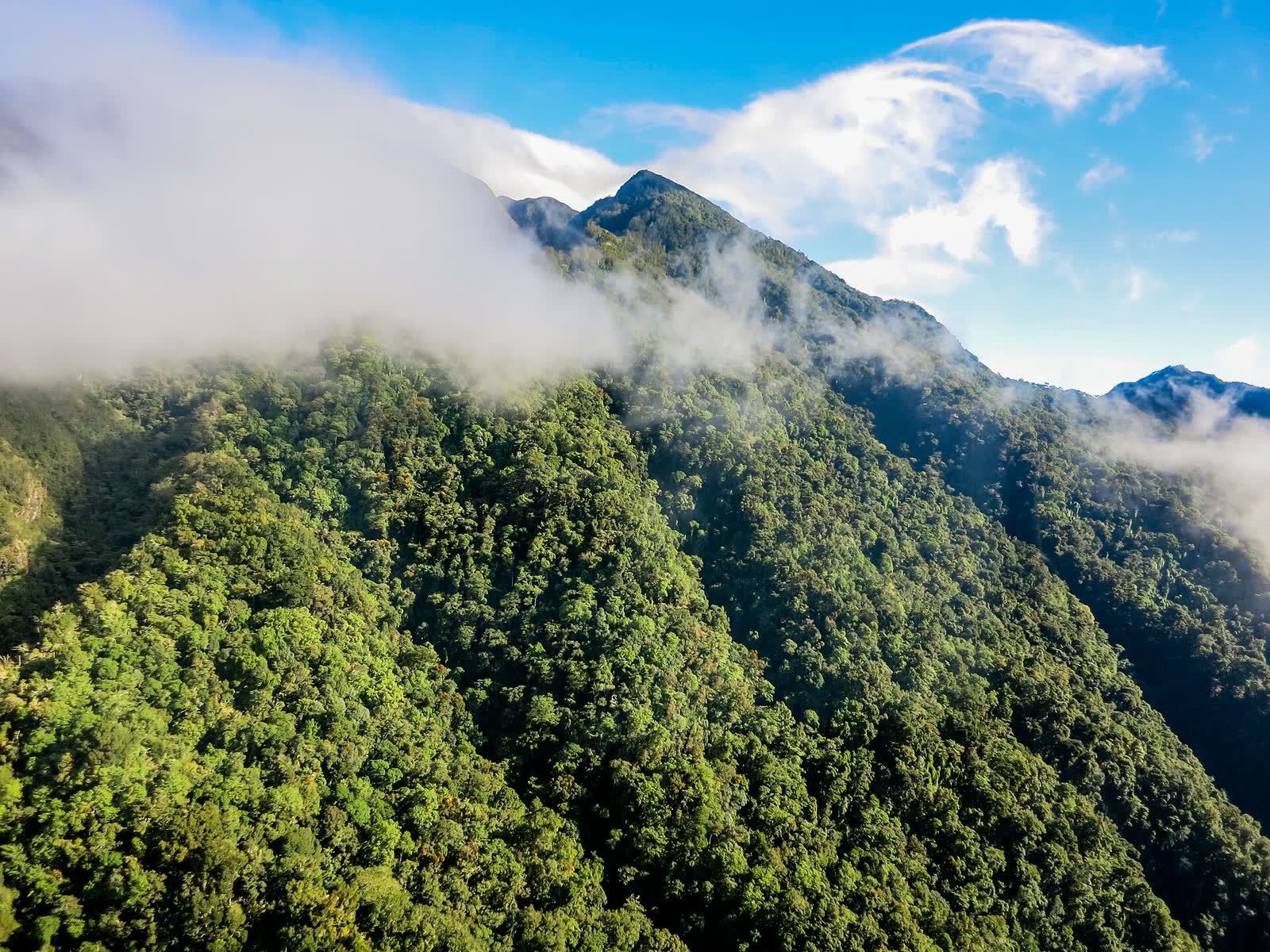
After the heat of the capital or the coast, Boquete feels like a different climate. Mornings are fresh, afternoons often bring a fine mist the locals call bajareque, and rainbows hang over the valley. The town has a large community of foreign retirees, so services are good and English is common, but it is still a working farming town where Ngäbe families come down from the hills to pick coffee in the harvest season.
The areas, explained
- **Boquete town** sits along the Caldera River with a central park, the market, cafés and most guesthouses.
- **Alto Boquete**, on the road up from David, has supermarkets and the viewpoint over the valley.
- **Jaramillo and Palmira** are coffee and flower growing areas with farm stays and views.
- **Bajo Mono and Alto Quiel** lead to the trails, waterfalls and Volcán Barú National Park.
Things to do
**Coffee tours** are the reason many people come. Several farms run tours that walk you from the plant to the cup, explaining why Geisha beans from these slopes sell for record sums at auction. Book ahead in the harvest season, roughly November to March.
For hikes, the **Sendero Los Quetzales** runs through cloud forest in Volcán Barú National Park, one of the best places in Central America to see the resplendent quetzal. The **Lost Waterfalls** trail visits three falls in a short, steep, muddy walk, and the **Pipeline Trail** follows a stream to a giant fig tree. The big challenge is a night hike up **Volcán Barú** to watch sunrise from the summit, where on a clear morning you can see both the Pacific and the Caribbean. It is long, cold and tough, so go with a guide or a well-planned group.
Gentler options include the **Boquete Tree Trek** hanging bridges and zipline, the flower gardens around town, white water rafting on the Chiriquí and Chiriquí Viejo rivers, and the **Caldera hot springs**, natural pools beside a river a short drive away.
Festivals
The **Feria de las Flores y del Café**, held each January, fills the fairground by the river with flowers, coffee stalls and music. The **Boquete Jazz and Blues Festival** has been a popular event in some years, so check dates before you plan around it.
Food and drink
Alongside coffee, try fresh trout from the highland rivers, strawberries and local cheeses from nearby Cerro Punta, and hearty Chiriquí cooking. The town has bakeries, craft brewing and a Sunday market where farmers sell vegetables and preserves.
Getting there and around
Fly from Panama City to David, or take a long-distance bus from Albrook terminal, then a local bus or taxi up to Boquete, about forty minutes away. Shuttles link Boquete with Bocas del Toro and with the Costa Rican border. In town, walk or use local taxis, and arrange trailhead transport for early hikes.
Staying safe
Boquete is calm, but hikers get lost and injured each year. Start early, carry rain gear and water, stay on marked trails and hire a guide for Barú and remote routes. Heavy rains can close trails and roads, so check conditions before you set off.
Questions about Boquete
Is it cold in Boquete?
It is mild rather than cold, with warm days and cool evenings. Pack a light jacket and rain layer, and warm clothes if you plan to climb Volcán Barú at night.
Can I see a quetzal near Boquete?
Yes, on the Quetzal Trail and in the cloud forest around Barú, especially in the early morning between about February and May. A local birding guide improves your chances a lot.
Do I need a guide to climb Volcán Barú?
It is not always required, but it is strongly recommended. The climb is long, mostly done at night and cold at the top, and people do get lost.
How do I get to Boquete from Panama City?
Fly to David and continue by taxi or bus, or take a long-distance bus from Albrook to David. The bus takes most of a day.
Facts checked . Fees, schedules and entry rules change, so always confirm the latest with the official source.