At a glance
- Best for
- Hiking, skiing, villages and scenic drives
- Airport
- Skopje International Airport (SKP), about one and a half hours away
- Time needed
- One to two days
- Best season
- June to October for hiking, December to March for skiing
- Getting around
- Own transport or taxis; buses only on the main road
- Don't miss
- The sunken church, Saint John Bigorski and Galičnik
Why go
Mavrovo is where Macedonians go for fresh air: skiing in winter, hiking and village food in summer. It is the best place in the country to see traditional mountain life, and the drive along the Radika river gorge is one of the most scenic in the Balkans.
Mavrovo Lake and the sunken church
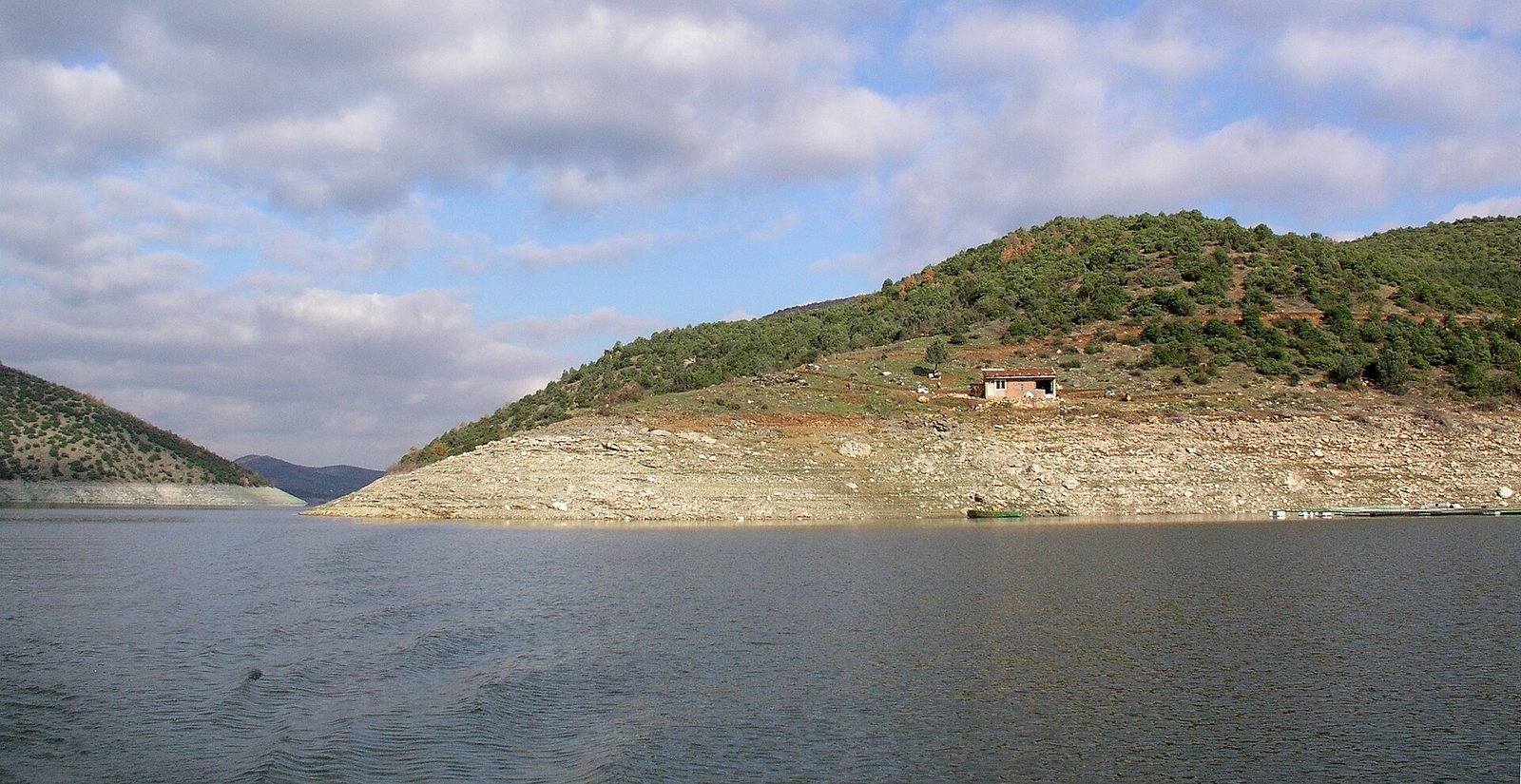
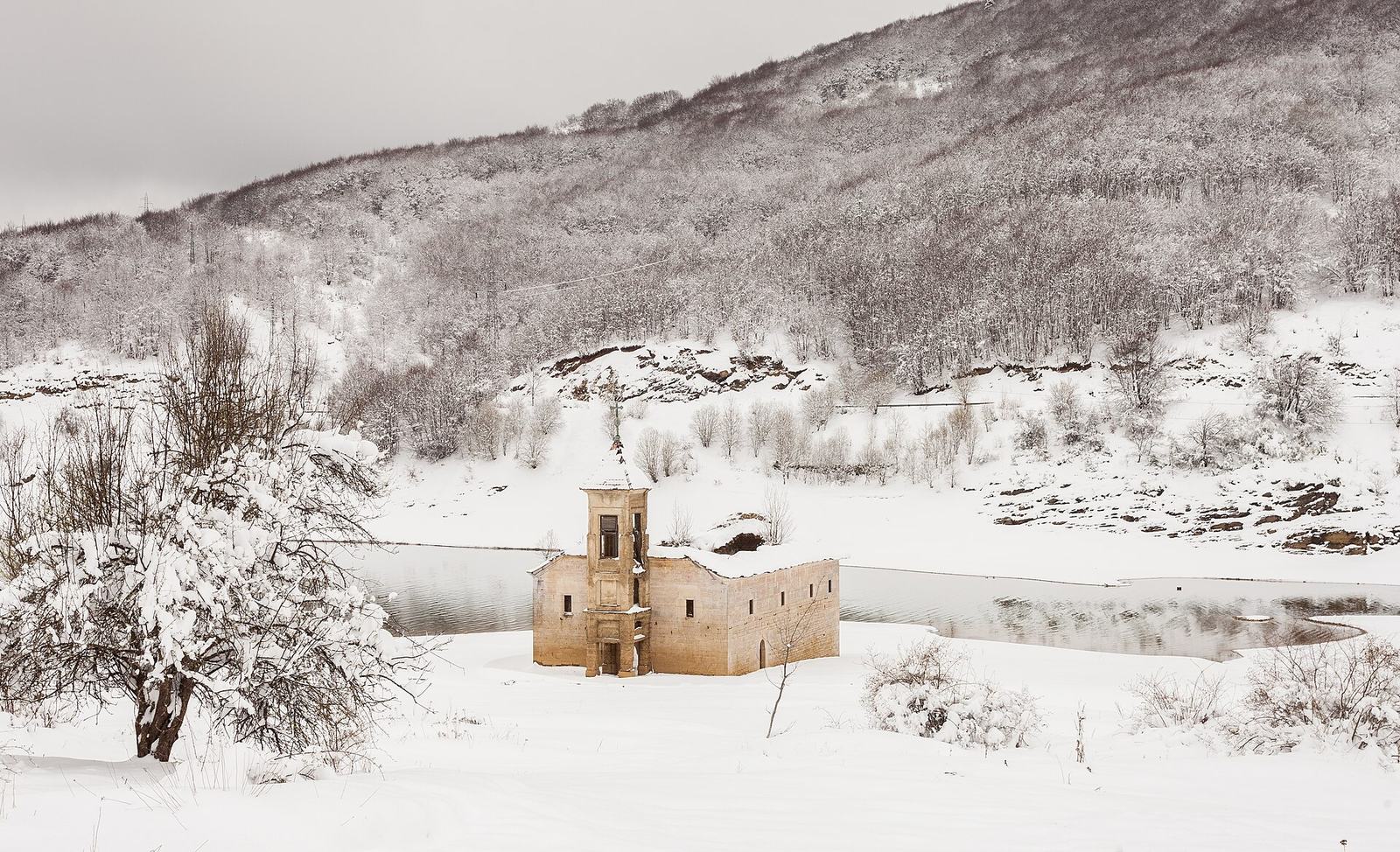
**Mavrovo Lake** is a reservoir created in the 1950s, which flooded a village. Its church, the **Church of Saint Nicholas**, was left standing and now sits half submerged in the water. When the water level drops in dry summers you can walk right up to it; at other times only the roof and walls rise from the lake. It is one of the most photographed sights in the country.
Saint John Bigorski
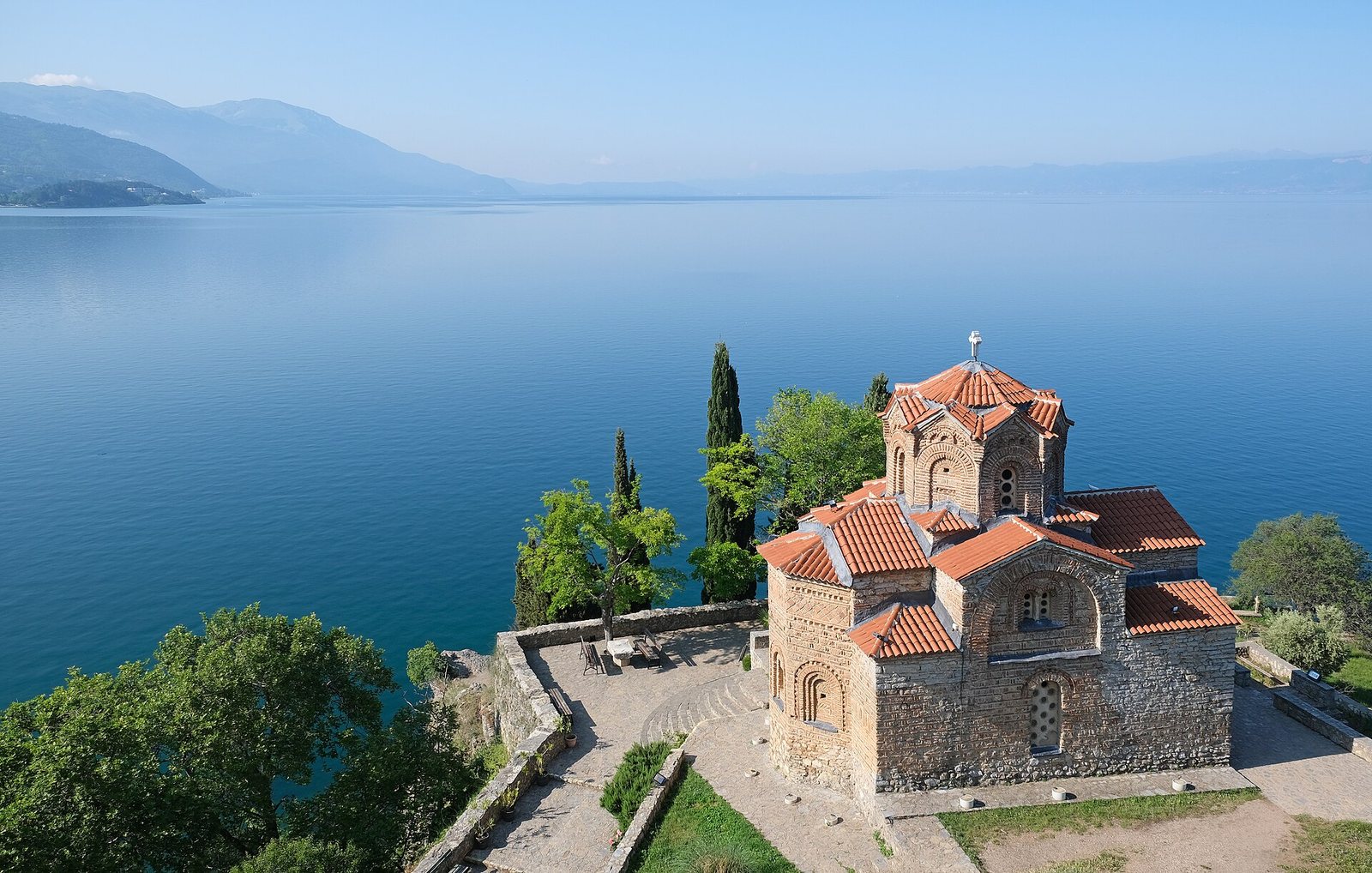
In the Radika valley, the **Monastery of Saint John Bigorski** is famous for its carved wooden iconostasis, a masterpiece of nineteenth century woodcarving with hundreds of tiny figures. The monastery is an active community, so dress modestly and keep your voice low.
Villages and hiking
**Galičnik**, high on a mountain, is a shepherding village of stone houses that fills up every July for the **Galičnik Wedding**, a traditional wedding festival with costumes, music and dancing. **Janče** and **Rostuše** are good bases for walks, including the short trail to the **Duf waterfall**. Experienced hikers climb **Mount Korab** on the border with Albania in summer, usually with a guide and sometimes on organised group climbs.
Skiing
The **Mavrovo ski centre** near Mavrovo Anovi is the main ski area in the country, with lifts, ski schools and equipment rental from December to March. It is relaxed and friendly rather than glamorous.
Where to eat and stay
Try local sheep's cheese, honey, roast lamb and trout. There are simple guesthouses in Mavrovo village and Janče, and larger hotels near the ski area and in the Radika valley.
Good to know
Public transport is limited to buses on the main road, so most visitors stop on the way between Skopje and Ohrid. Mountain weather changes quickly, so carry layers. Brown bears and wolves live in the park, though sightings are rare.
Getting there and around
The park lies along the road from Gostivar to Debar, which most buses between Skopje and Ohrid via Debar follow. Buses stop at Mavrovo Anovi and in the Radika valley, but reaching villages and trailheads usually needs a taxi or your own transport. Roads into the high villages are narrow and winding, and in winter snow can close them, so check conditions before setting out. Fuel and cash machines are limited inside the park, so carry denars.
A suggested day
Arrive in Mavrovo in the morning and walk down to the sunken church. Drive or take a taxi through the Radika gorge to Saint John Bigorski, then continue to Galičnik for lunch and views across the mountains. If you are staying overnight, finish with a walk to the Duf waterfall near Rostuše and a home cooked dinner at a village guesthouse.
Questions about Mavrovo National Park
Can I visit Mavrovo as a day trip from Skopje?
Yes, it is about one and a half hours by road. Many travellers stop on the drive between Skopje and Ohrid instead.
Is the sunken church always visible?
The church is always there, but how much you see depends on the water level. In dry late summers you can sometimes walk to it.
Is Mavrovo good for skiing?
It is the country's main ski area, best for beginners and intermediate skiers who want a relaxed, affordable resort.
When is the Galičnik Wedding?
It is held each July, usually around the feast of Saint Peter. Check the dates with local tourism offices before you travel.
Do I need a guide to hike in Mavrovo?
Short walks such as the Duf waterfall trail are easy on your own. For Mount Korab and longer mountain routes, a local guide or an organised group climb is wise, because paths are not always well marked and the weather can turn quickly near the border.
Facts checked . Fees, schedules and entry rules change, so always confirm the latest with the official source.