The colonial towns
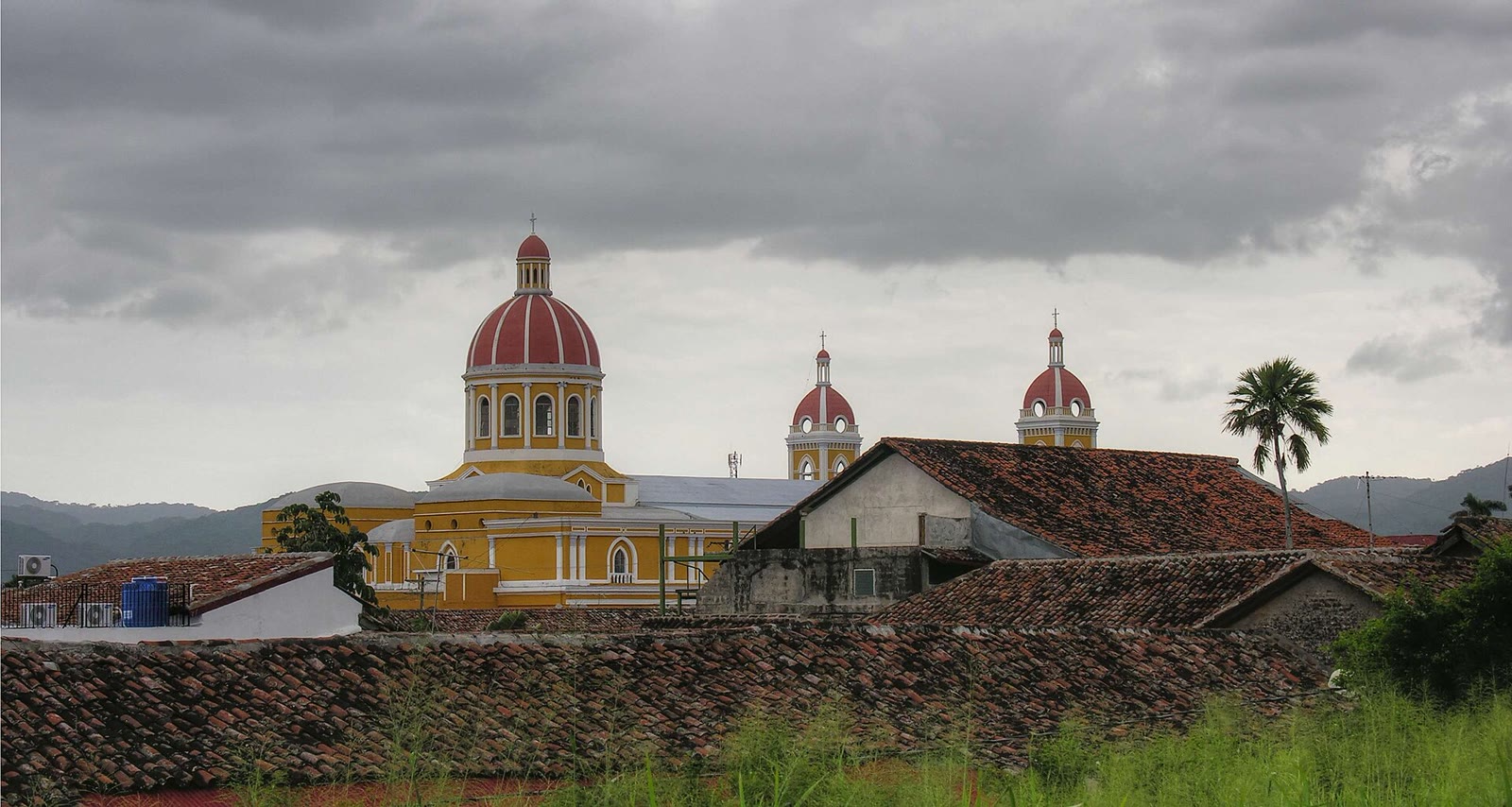
Granada is the postcard town: painted houses, a yellow cathedral and the islets of Lake Nicaragua at the end of the street. It is the easiest first base, an hour from the airport, with Masaya volcano, the Laguna de Apoyo crater lake and the Pueblos Blancos close by.
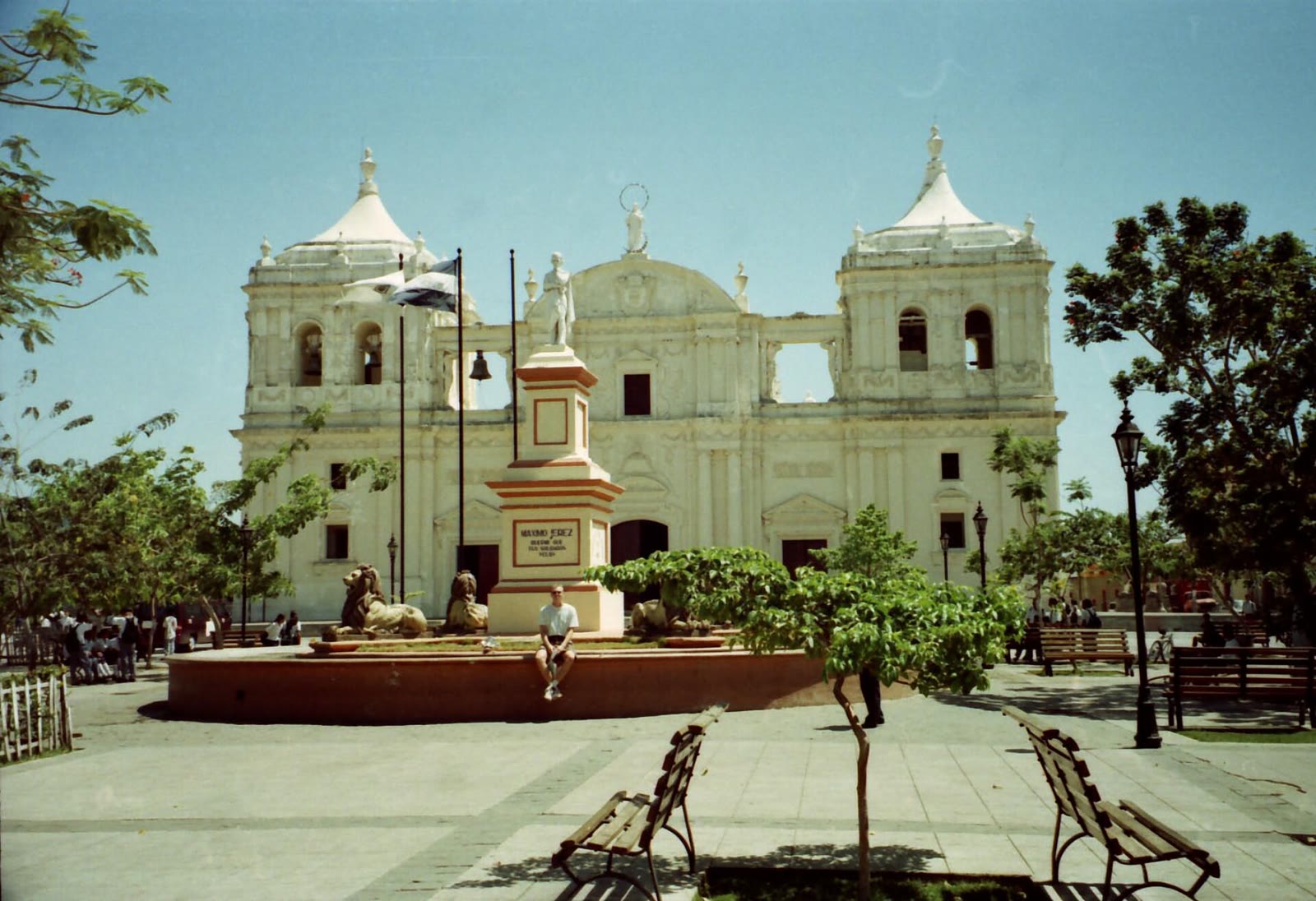
León is Granada's old rival, a hot, lively university city with Central America's largest cathedral, revolutionary murals and a line of volcanoes on the horizon. It is the base for volcano boarding on Cerro Negro and for the beaches at Las Peñitas.
The lake and its island
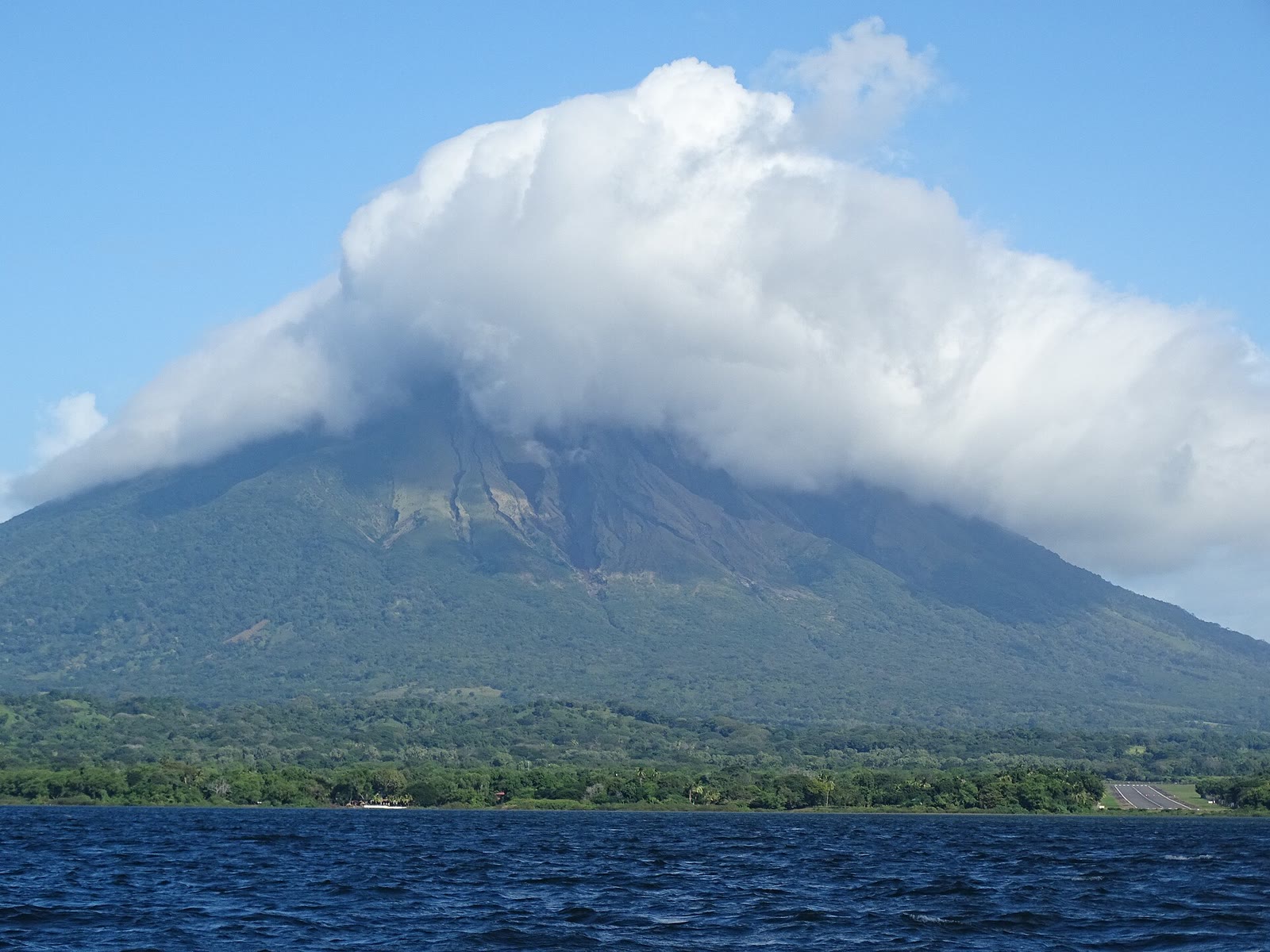
Ometepe is two volcanoes joined by a narrow isthmus in the middle of Lake Nicaragua. Farms, petroglyphs, a natural spring pool and quiet lanes make it the place most travellers remember. It is reached by ferry from San Jorge, near Rivas.
The Pacific coast
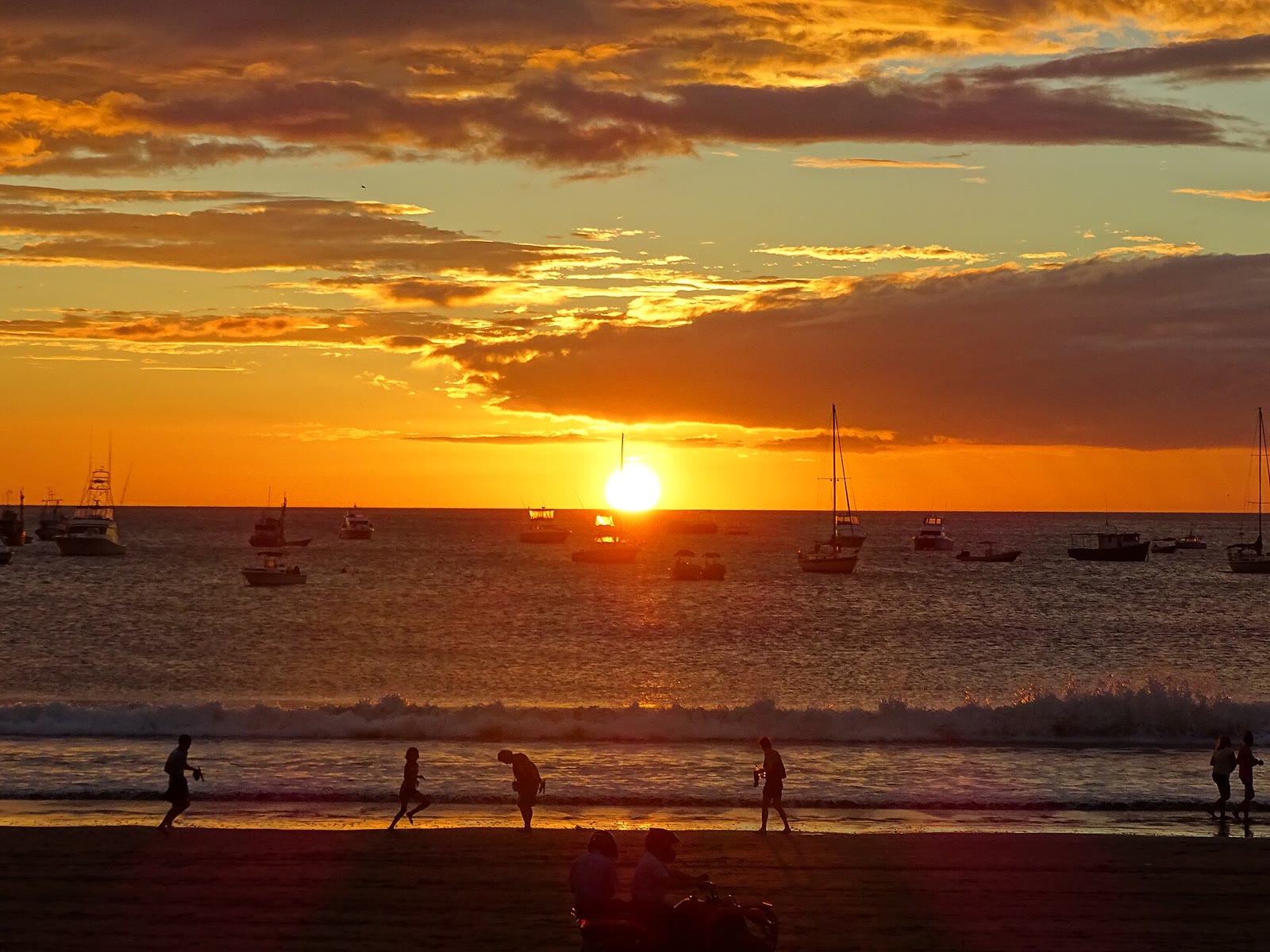
San Juan del Sur is a fishing town turned surf base, with a horseshoe bay, a giant statue of Christ on the headland and a string of surf beaches to the north and south. Further north, the coast around Popoyo and Playa Gigante is quieter, with world class waves.
The Caribbean
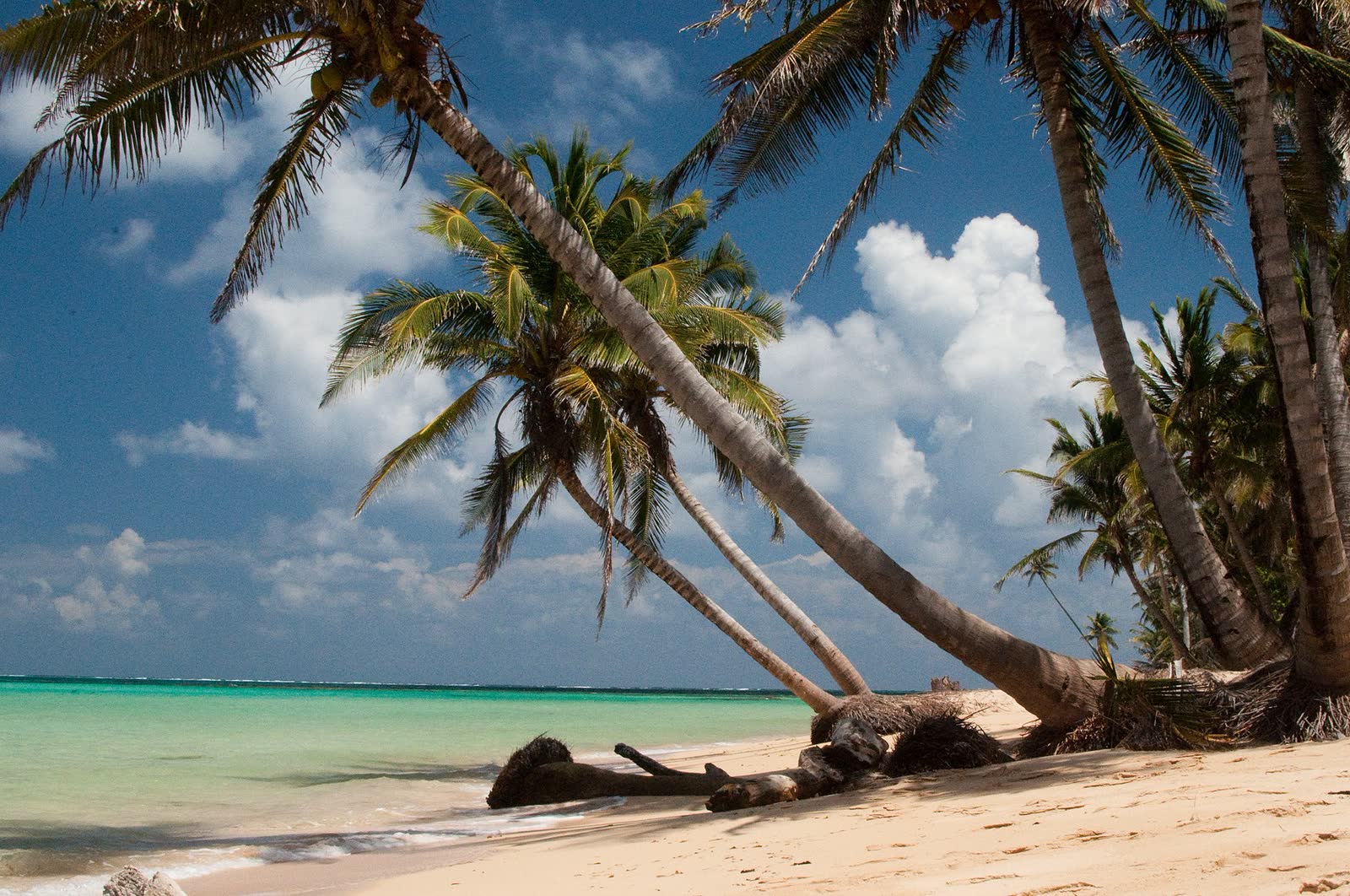
The Corn Islands sit in the Caribbean Sea, a short flight from Managua. Big Corn has a ring road and reef beaches; Little Corn has no cars at all, just footpaths, coral and hammocks. The culture is Creole and English is widely spoken.
The capital
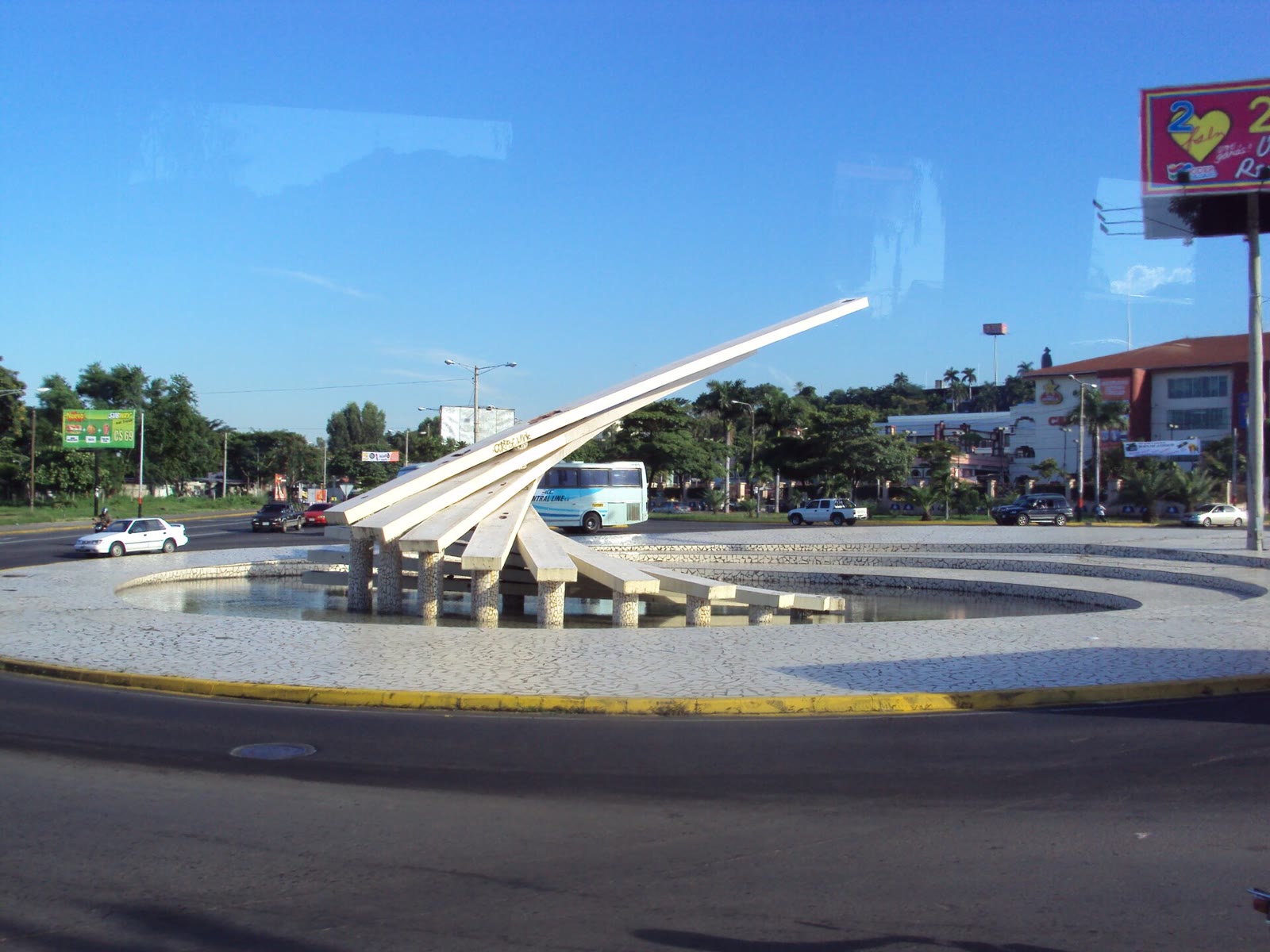
Managua is where you land. Few travellers stay long, but a day on the lakeshore, at the Tiscapa lagoon and in the old centre explains a lot about the country, and it is where many families from the diaspora have roots.
Putting it together
A first trip of ten days to two weeks usually runs Granada, Masaya, Ometepe, the southern coast and León, in a loop from Managua. With less time, pick Granada, Ometepe and one beach. Use the free trip planner to balance travel days and rest days, and browse places to visit for food, sights and stays in each area.