At a glance
- Best for
- Beaches, snorkelling, diving and switching off
- Gateway
- Corn Island Airport (RNI), by domestic flight from Managua
- Time needed
- Three to five days
- Best season
- February to April, the driest months
- Getting around
- Taxis and buses on Big Corn, on foot on Little Corn
- Language
- Creole English and Spanish
Why go to the Corn Islands
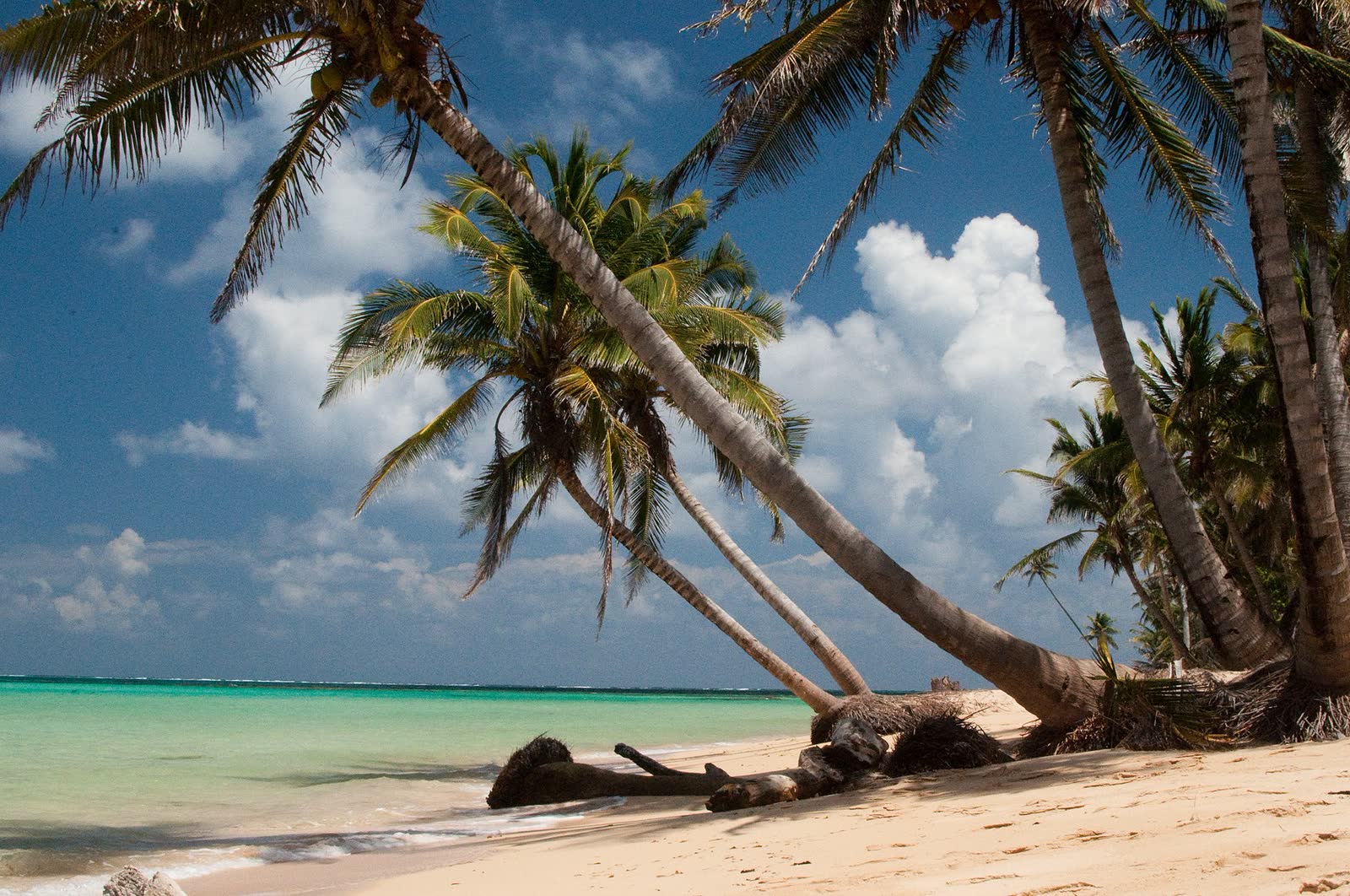
The Corn Islands feel nothing like the Pacific side of Nicaragua. The water is turquoise, the sand is white, the music is reggae and soca, and many people speak Creole English. Most travellers come to snorkel, dive, eat lobster and coconut bread, and do very little else. They are a good reward at the end of a busy trip.
Getting there
Domestic flights run from Managua to **Corn Island Airport** on Big Corn, some via Bluefields, taking about an hour and a half. Baggage limits on the small planes are tight, so pack light. From Big Corn, a **panga**, a fast open boat, crosses to Little Corn in around half an hour to an hour, usually twice a day. The crossing can be rough and wet: put your bag in a plastic bag and sit near the back if you get seasick. Boats may be cancelled in bad weather.
There is also a long overland and river route through El Rama and Bluefields, and a cargo boat, but most visitors fly.
Big Corn
Big Corn has a road around the island, served by taxis and a bus. **Picnic Centre** and **Long Bay** are the best known beaches, while **Southwest Bay** is quiet and good for sunsets. Snorkel near **Sally Peaches** or join a dive trip to reefs and the remains of a Spanish galleon. In late August, the island celebrates **Emancipation Day** and the **Crab Festival**, marking the end of slavery in 1841 with food, music and parades.
Little Corn
Little Corn is smaller, wilder and car free. The **village** on the west side has the boat dock, small shops, dive shops and restaurants. Paths lead across the island to the **east coast beaches**, **Otto Beach** in the north and the lookout tower. The reefs are close to shore, with nurse sharks, rays and turtles, and diving here is some of the best value in the Caribbean. Stays range from simple cabins to eco-lodges.
Food
Try **rundown**, a coconut stew of fish or seafood with plantain and cassava, fresh **lobster** in season, **coconut bread** and **patí**, a spiced pastry. Lobster season is closed for part of the year, usually from March to June, to protect stocks.
Fitting the Corn Islands into a route
Because the islands are a flight away, plan them as a block of at least three or four nights, usually at the end of a trip so you can unwind. Leave a spare day before your international flight home, in case weather delays the domestic flight or the panga. Book domestic flights early around Holy Week, Christmas and the August festivities, when seats sell out quickly.
Practical tips
There are few ATMs, all on Big Corn, and they can run out of cash or fail, so bring enough money with you. Card payment is limited, especially on Little Corn. Bring insect repellent for sandflies, a torch for the unlit paths, and reef safe sunscreen. Petty theft and some robberies have happened on isolated beaches and paths after dark, so walk in groups at night.
Questions about the Corn Islands
Big Corn or Little Corn?
Little Corn is better for car free beaches, snorkelling and a simple, barefoot feel. Big Corn is easier for families and those who want more choice. Many visitors do both.
How do I get to Little Corn?
Fly from Managua to Big Corn, then take the panga from the Big Corn dock. Check the boat times on arrival, as they change with the weather.
Is there an ATM on Little Corn?
No. Withdraw cash in Managua or on Big Corn, and bring a backup in US dollars.
When is the best time to visit the Corn Islands?
February to April is usually the driest. The Caribbean side has more rain than the Pacific, with the wettest months from June to December.
Can I dive on the Corn Islands without experience?
Yes. Dive shops on both islands offer beginner courses and try dives, and the reefs near Little Corn are shallow and calm on good days.
Facts checked . Fees, schedules and entry rules change, so always confirm the latest with the official source.