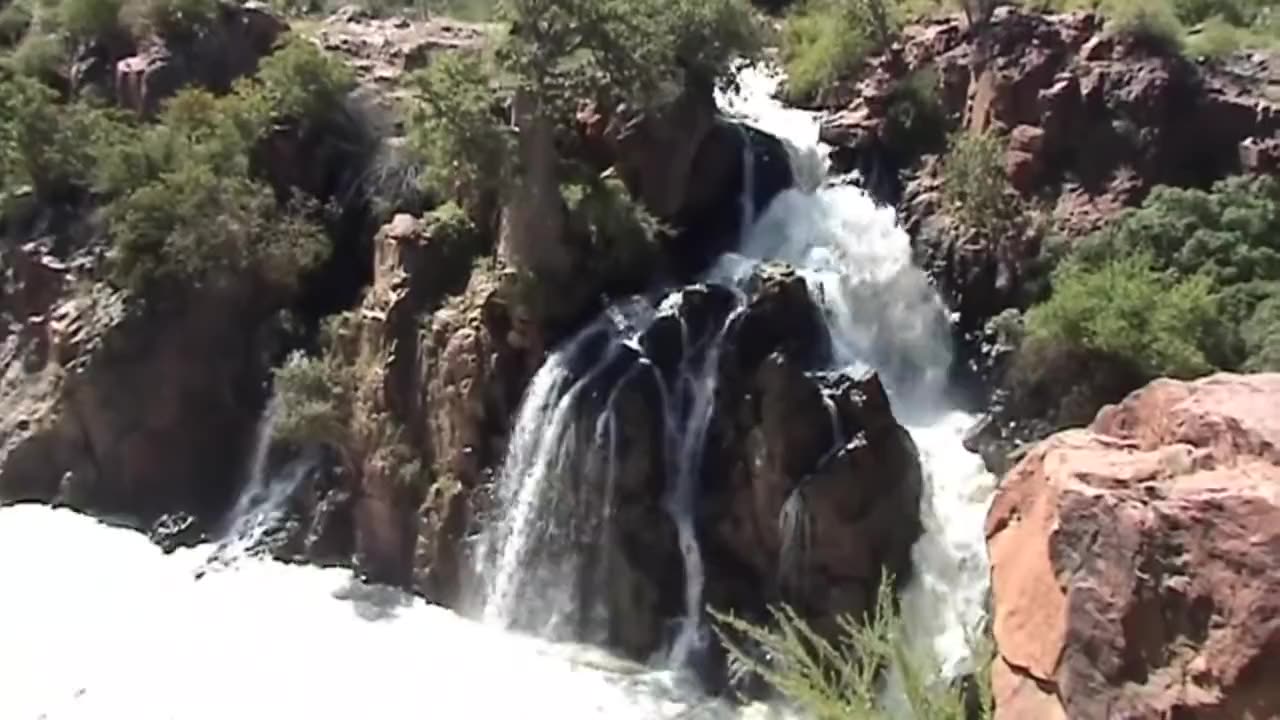
Epupa Falls, Kunene, NamibiaVideo: Lars Hoffmann, CC BY 3.0, via Wikimedia Commons
Find your Bliss in Namibia
Namibia, made simple: red dunes, desert elephants and skies full of stars
Namibia is one of the most spacious, peaceful countries on earth. The world's oldest desert meets a cold Atlantic coast, Etosha's waterholes draw elephants and rhino in the dry season, and the night skies are among the darkest anywhere. This guide takes the guesswork out of entry, long gravel roads, money and seasons so you can travel with confidence.
Your trip, step by step
- Before you flyEntry rules, seasons, park bookings and road planning, answered
- LandingWindhoek or Walvis Bay, cash, SIM cards and your first night, explained
- Your days in NamibiaDunes, coast, Etosha and Damaraland, paced for long distances
- Home againDeparture tips so the last day is as calm as the first
Where to go, eat and stay
- Plain answersClear, honest guidance on the questions first-timers actually ask.
- Official sourcesEntry, health and safety facts point you to the official pages to confirm.
- No price surprisesWe explain what drives Namibia's costs and where the good value is.
- Free to useEvery guide and the trip planner are free.
Our promise
Namibia should feel like freedom, not a puzzle of gravel roads, fuel stops and park permits. We answer the worries before they start, so you arrive confident and ready to find your Bliss.
Visiting family in Windhoek, Oshakati or Rundu, or planning your first sunrise on a red dune? This guide was written with you in mind.
How to use this guide
Four steps from first idea to a trip that feels easy.
- Choose your NamibiaDesert, coast, wildlife or rock art: start with the destinations that fit you.
- Sort the essentialsEntry rules, cash, cards, health and road safety, checked against official sources.
- Pick your placesUse our places to visit list for food, culture, nature and stays in each area.
- Plan your routeUse the free trip planner to shape realistic driving days between the highlights.
Everything your Namibia trip needs
Free tools and guides for every stage of the journey.
Destinations
Windhoek, Swakopmund, Sossusvlei, Etosha and Damaraland, each explained in depth.
Explore destinationsPlaces to visit
More than a hundred restaurants, lodges, viewpoints and craft shops, from classics to hidden corners.
See places to visitFlights and stays
Search flights into Windhoek and Walvis Bay, plus stays across the country.
Plan travelPlaces finder
Restaurants, sights and stays mapped around each base.
Find placesFree trip planner
Tell us your dates and interests and build a route that fits.
Plan your trip
The classic Namibia trip
Dunes, coast, then Etosha
Most first trips land in Windhoek, drive south west to Sossusvlei for the dunes, cross the desert to Swakopmund on the coast, head north through Damaraland's rock art and desert elephant country, and finish with game drives in Etosha before looping back to the capital. Allow at least ten days to two weeks: distances are long and many roads are gravel.
- Sunrise on the red dunes of Sossusvlei
- Dolphins, seals and sand dunes at Walvis Bay
- Ancient engravings at Twyfelfontein
- Rhino at a floodlit Etosha waterhole
Start with the destinations
See how the desert, the coast and the parks fit together.
Namibia destinationsWhere to go in Namibia
From a calm capital to the world's oldest desert, a misty Atlantic coast and one of Africa's great game parks.
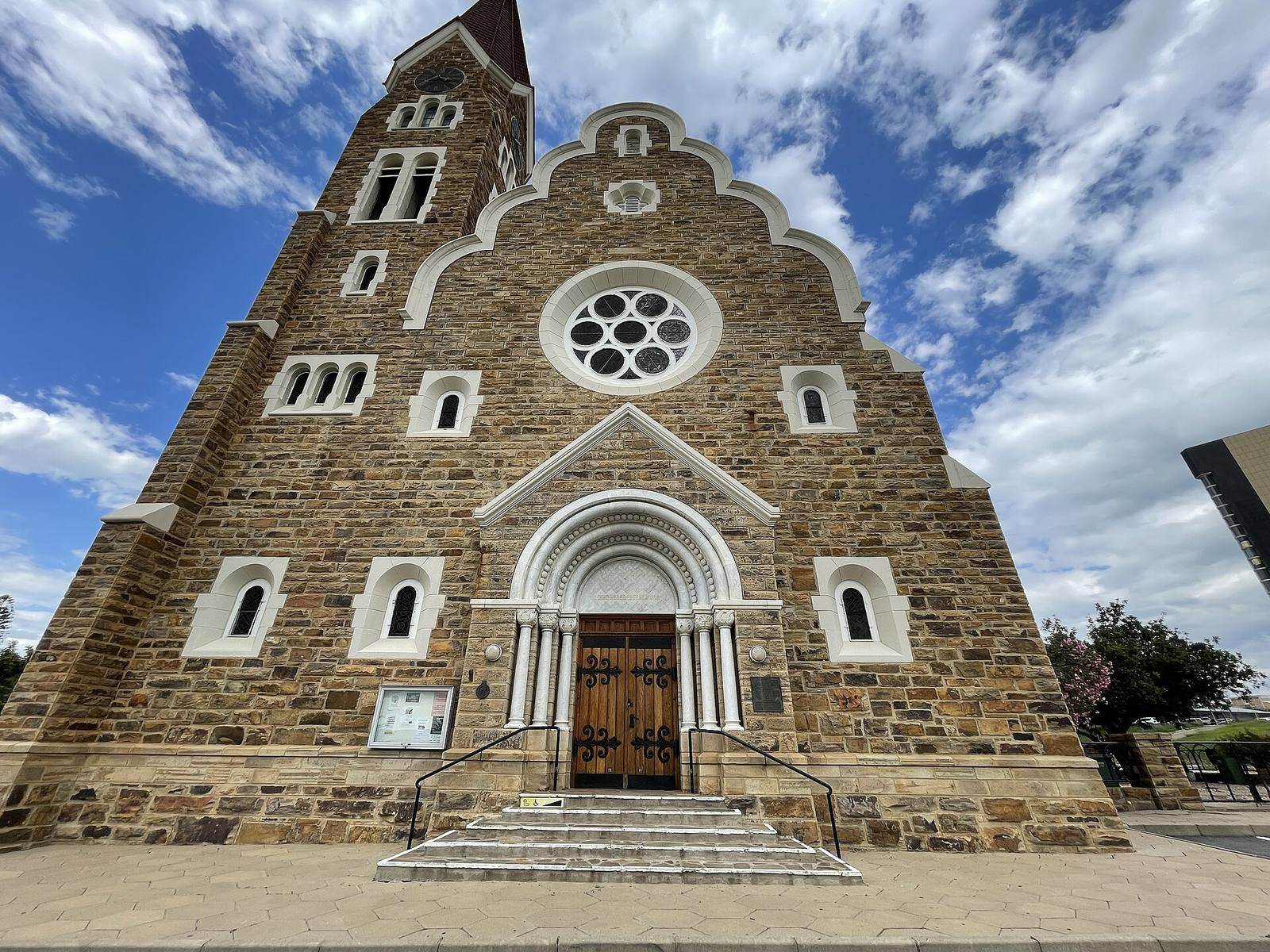
Khomas Region
Windhoek
Namibia's calm highland capital, where most road trips begin and end.
Read the guidePhoto: JalenPhotos, CC BY-SA 4.0, via Wikimedia Commons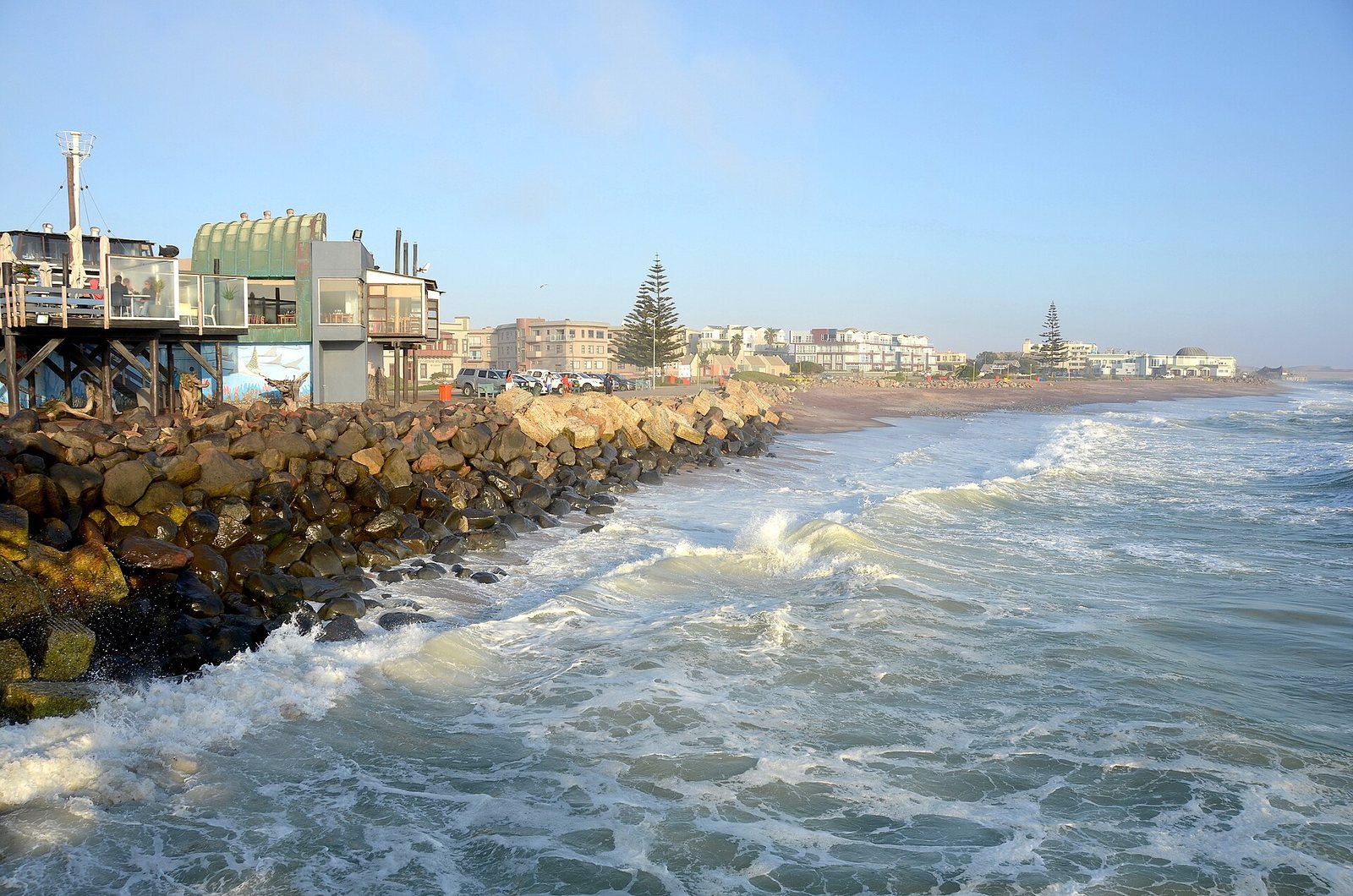
Erongo Region
Swakopmund
A cool, misty seaside town of German architecture, seafood and dune adventures.
Read the guidePhoto: Olga Ernst, CC BY-SA 4.0, via Wikimedia Commons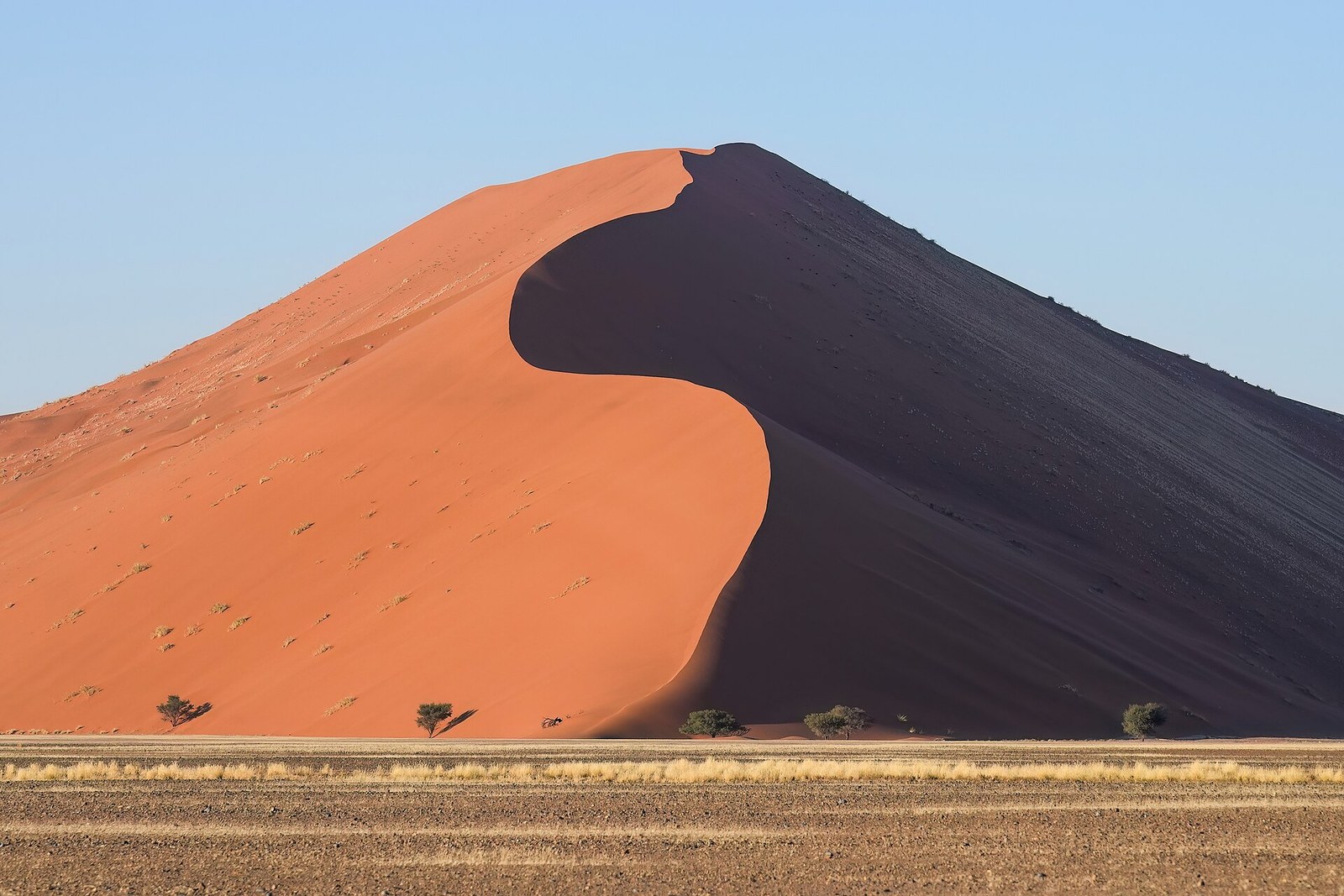
Hardap Region, Namib Naukluft National Park
Sossusvlei
The towering red dunes and ghostly Deadvlei of the world's oldest desert.
Read the guidePhoto: Giles Laurent, CC BY-SA 4.0, via Wikimedia Commons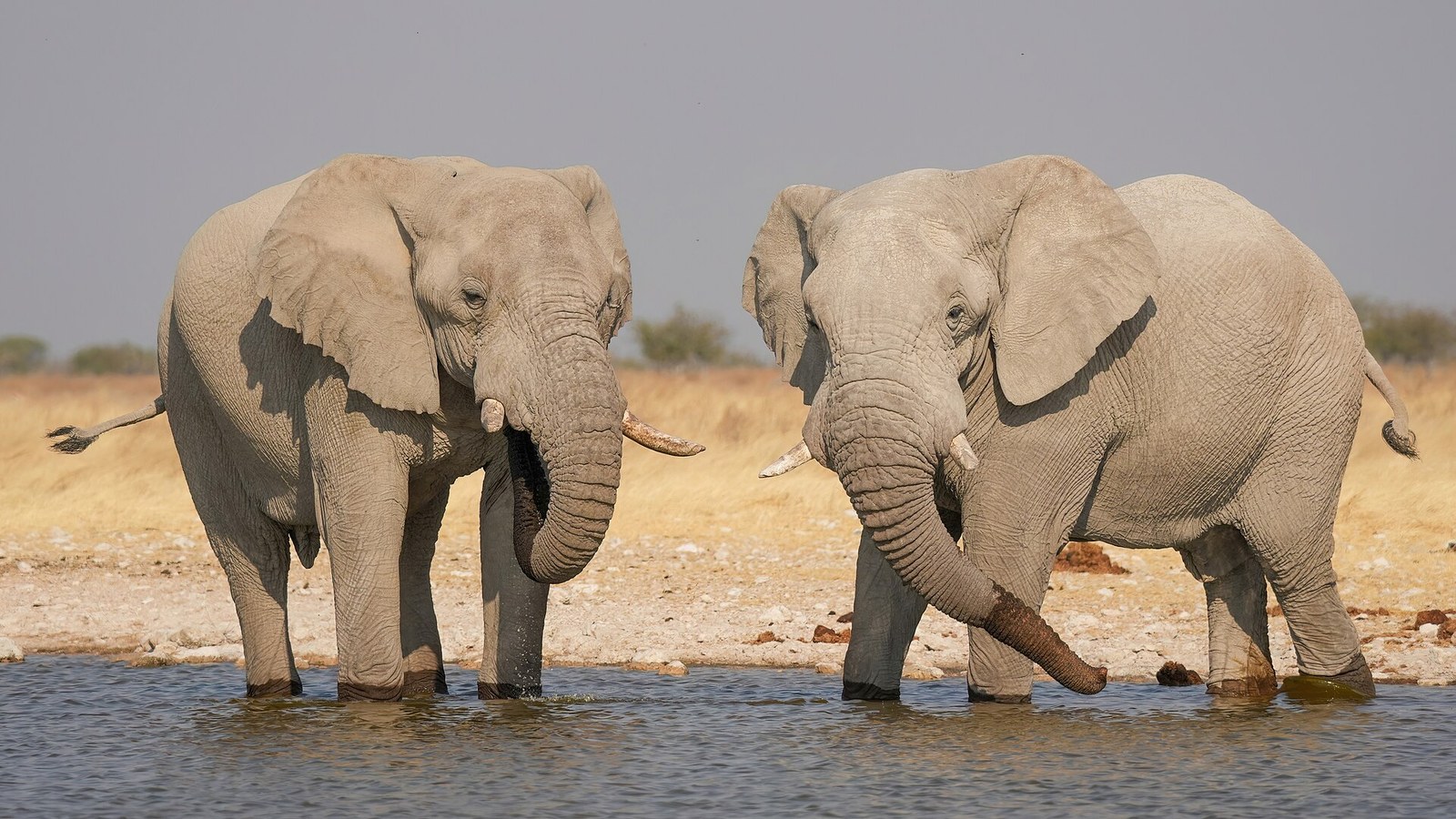
Kunene and Oshikoto regions, northern Namibia
Etosha National Park
One of Africa's great game parks, built around a vast white salt pan.
Read the guidePhoto: Giles Laurent, CC BY-SA 4.0, via Wikimedia Commons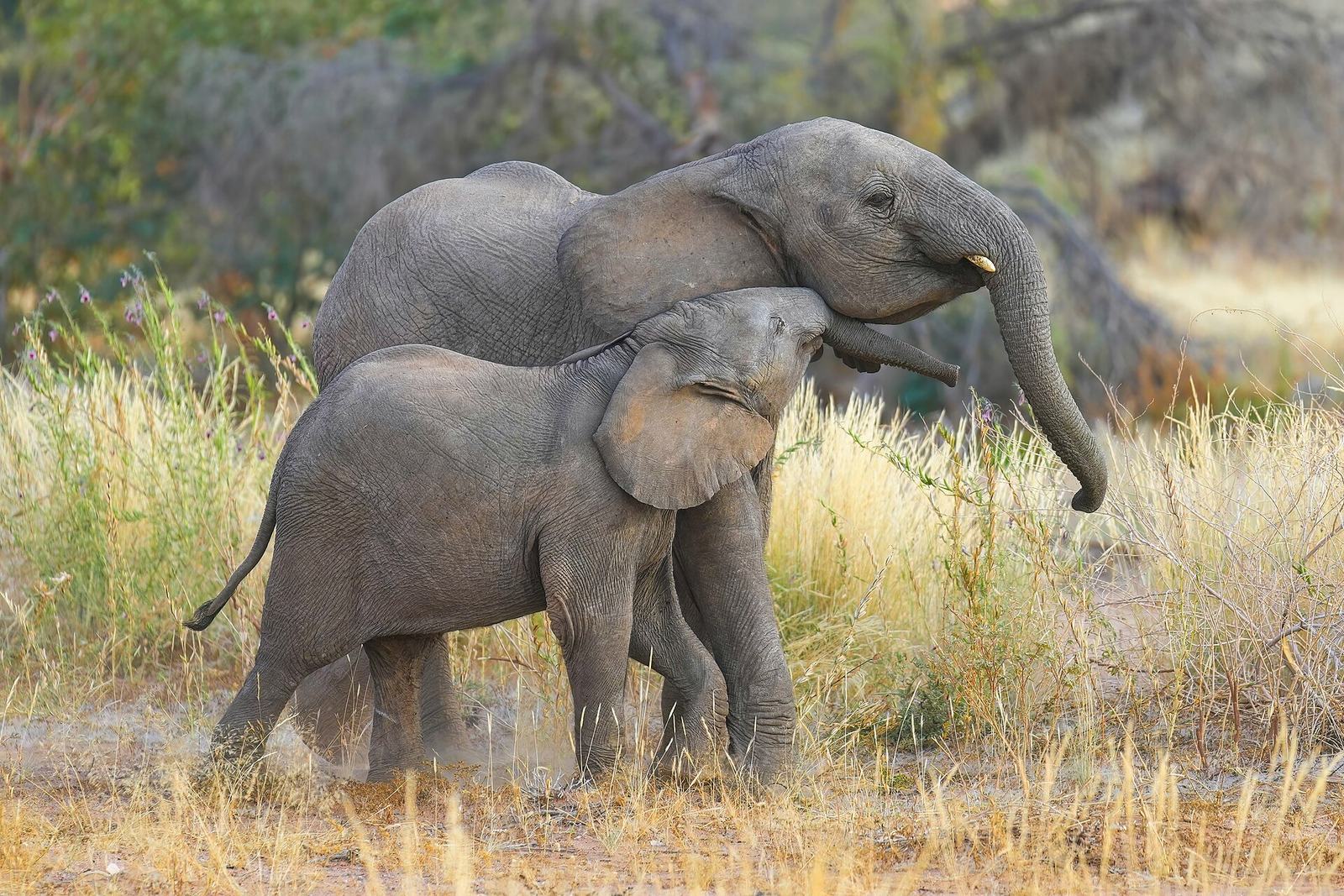
Kunene and Erongo regions, north west Namibia
Damaraland
Rugged red mountains, ancient rock art and desert adapted elephants.
Read the guidePhoto: Giles Laurent, CC BY-SA 4.0, via Wikimedia Commons
A note from our founder
A note from our founder
My first time visiting Kenya, I was genuinely surprised with how fast it began feeling like home. The people are so friendly, the food is delicious and familiar, and the accommodations are modern and upscale.
During my travels throughout the continent, I commonly hear tourists share stories about being scammed or taken advantage of, which is both frustrating and disheartening.
Living in Kenya for the last 2 years, I have had the great fortune to meet a network of wonderful Kenyans who have continuously help guide my family's journey. Their shared knowledge has not only greatly enhanced our overall experience here, but it has also saved us tons of time, energy, and resources.
With BlissPoint Travel, my hope is to build a global community that is willing to share useful, uncommon knowledge so that we can all blissfully enjoy the wonders our world has to offer.
Questions we hear most
Is Namibia safe to visit?
Namibia is one of Africa's more stable and relaxed countries. The main risks are petty crime and opportunistic theft in Windhoek and coastal towns, and road accidents on long gravel roads. Lock valuables away, avoid walking alone after dark in cities and drive slowly on gravel.
Do I need a visa for Namibia?
It depends on your passport. Namibia changed its rules in 2025 and many nationalities that were once visa free now need a visa, available online or on arrival. Check the Namibian Ministry of Home Affairs official pages before you book.
Is Namibia expensive?
Namibia sits in the middle: cheaper than Botswana, pricier than some neighbours. Camping and guesthouses keep costs moderate, while remote desert lodges are expensive. Fuel and long distances are the costs people most often underestimate.
What is the capital of Namibia?
Windhoek, a small, orderly highland city in the centre of the country. It has the main international airport, Christuskirche, the Independence Memorial Museum and Katutura's lively markets, and it is where most road trips start and end.
When is the best time to visit Namibia?
May to October is dry, sunny and best for wildlife in Etosha, with cold desert nights in June to August. November to April is hotter, greener and quieter, with afternoon storms in the north and centre.
How many days do I need in Namibia?
Ten days covers Sossusvlei, Swakopmund and Etosha at a comfortable pace. Two weeks or more lets you add Damaraland, the Skeleton Coast or the far south without spending every day behind the wheel.
Ready to find your Bliss in Namibia?
Use the free trip planner to turn dunes, coast and wildlife into a route with realistic driving days.