At a glance
- Best for
- Wildlife, rhino, elephants and self-drive safari
- Main gates
- Andersson Gate (south) and Von Lindequist Gate (east)
- Time needed
- Two to four nights
- Best season
- June to October for the dry season
- Wildlife
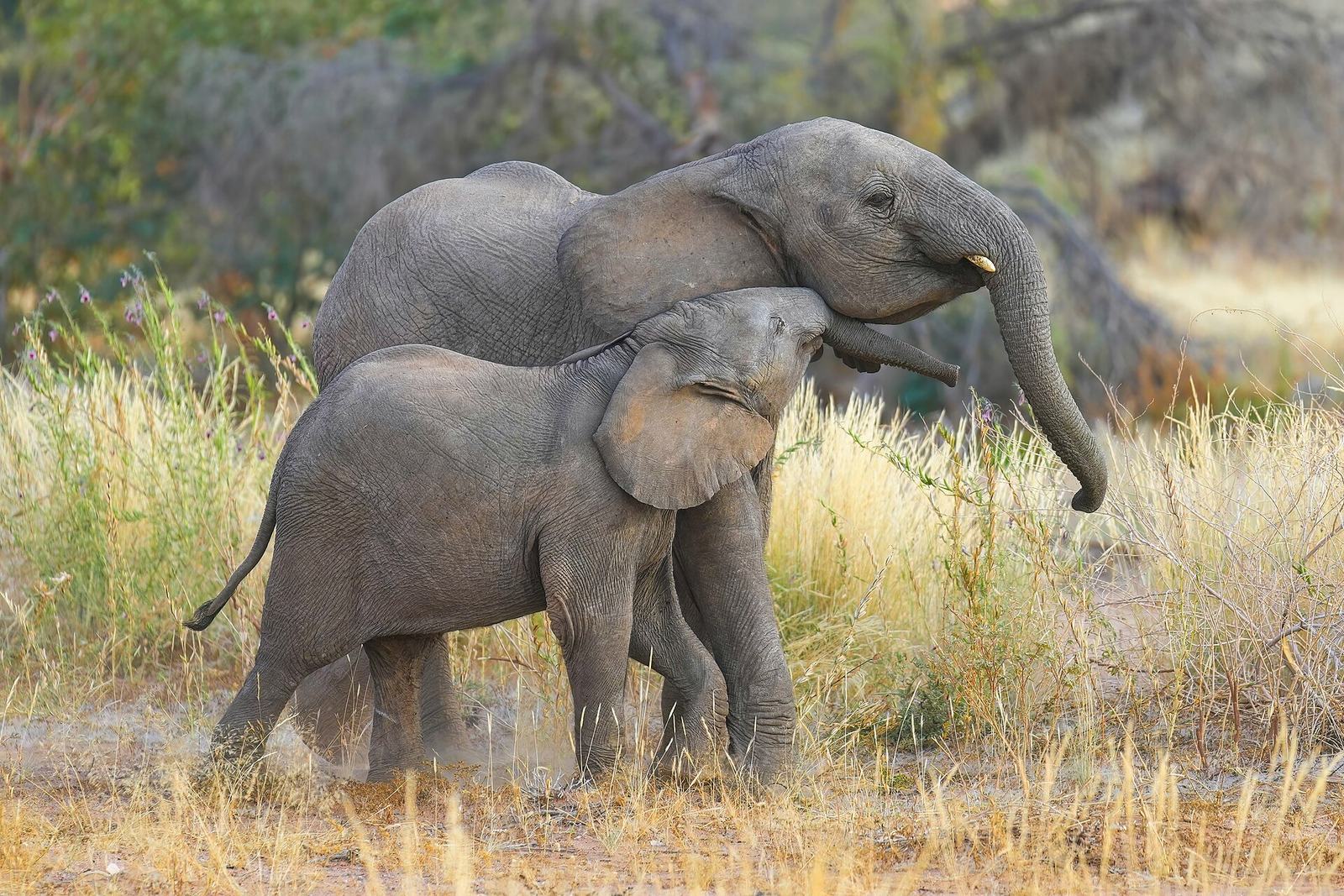
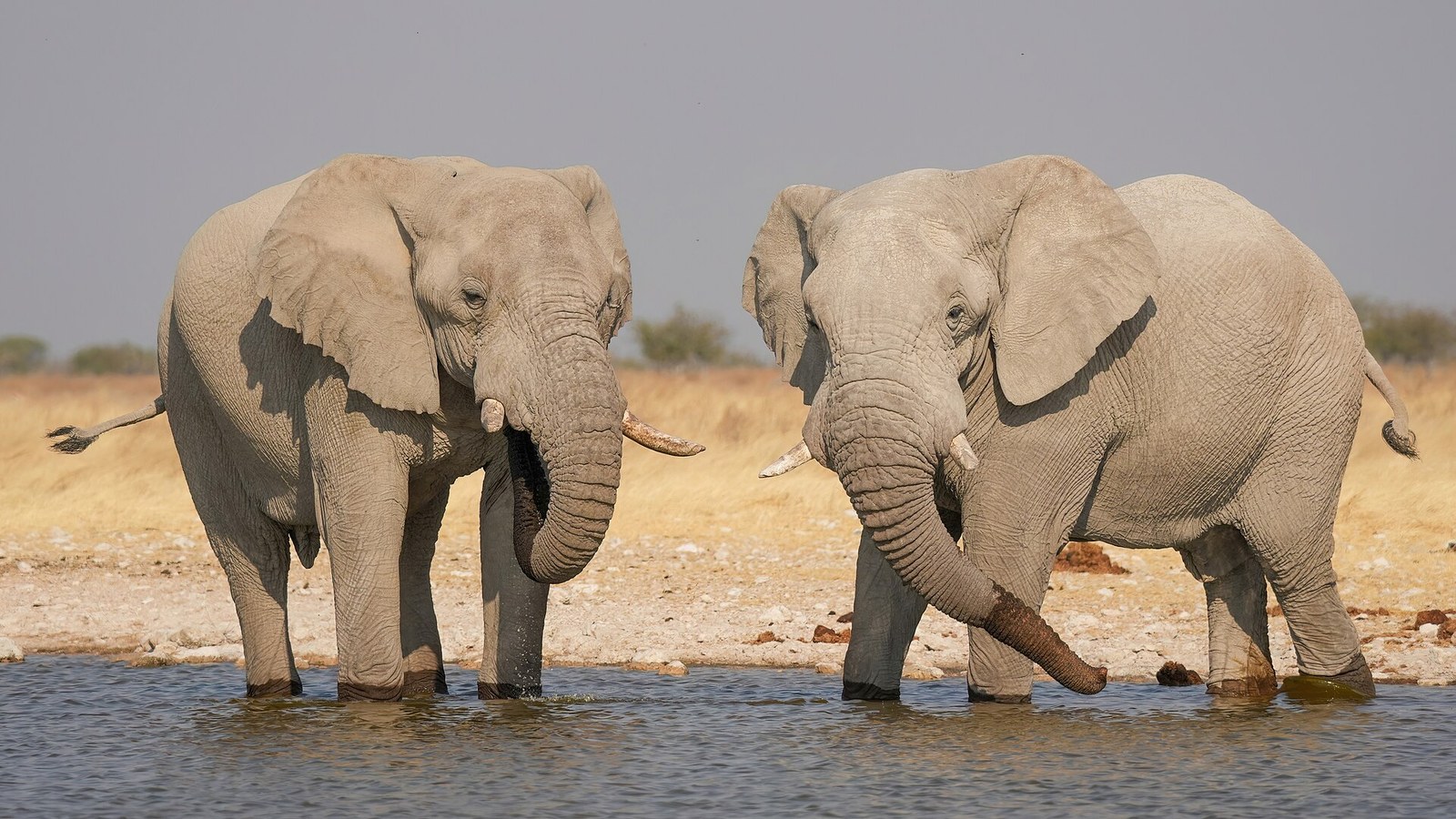
- Elephant, black rhino, lion, giraffe, zebra, springbok
- Getting around
- Self-drive on park roads or guided game drives
Why visit Etosha
Etosha is unusual among great African parks because the landscape is open and the roads are good enough for an ordinary car. You can drive yourself between waterholes, stop when you want and stay at camps inside the park. It is also one of the best places on the continent to see black rhino, especially at night.
The waterholes
The secret of Etosha is patience at the right waterhole. **Okaukuejo**, the main camp in the south, has a floodlit waterhole where rhino, elephants and lions often appear after dark, and many visitors call it the best free wildlife show in Africa. **Halali** in the centre has the Moringa waterhole, set against a rocky hill. **Namutoni** in the east sits beside a restored German fort and the busy Chudop and Klein Namutoni waterholes.
Around the park, **Okondeka** often has lions, **Nebrownii** and **Gemsbokvlakte** attract zebra and springbok, **Rietfontein** and **Goas** are reliable in the dry season, and the **Etosha Lookout** lets you drive a short way onto the pan itself. Ask at each camp's sightings board what has been seen that day.
When to go
June to October is dry and the best time for game viewing, as animals concentrate at waterholes. Days are warm and nights are cold early in the season. From November to April the rains bring green bush, newborn animals and great birdlife, including flamingos on the flooded pan in good years, but animals spread out and are harder to find.
Park rules
Visitors must stay in their vehicles except at designated places, keep to the speed limits and be inside a camp or out of the park by sunset. Gates open at sunrise and close at sunset, with exact times posted. Pay entry fees at the gates and keep your permit for exit. Check current fees and rules with the Ministry of Environment, Forestry and Tourism or Namibia Wildlife Resorts.
Where to stay
Inside the park, **Namibia Wildlife Resorts** runs Okaukuejo, Halali, Namutoni, Dolomite Camp in the west and Onkoshi on the pan's edge. These camps book out early for the dry season. Outside the gates are many private lodges, especially near Andersson Gate in the south and Von Lindequist Gate in the east, and the private **Onguma** reserve. Guided drives from these lodges can go into the park at sunrise.
Getting there
Okaukuejo is around five hours' drive north of Windhoek on tarred roads via Otjiwarongo and Outjo. Coming from Damaraland, the western Galton Gate opens up the quieter west of the park. Fill your fuel tank before entering and carry snacks and water, as distances between camps are long.
Tips
Bring binoculars, a long lens and patience. Drive slowly and stop often. Plan your route around two or three waterholes rather than racing between many, and always be back at camp before the gate closes.
Beyond the park
Near the eastern side, **Lake Otjikoto** and the **Hoba Meteorite** make interesting detours, and the **Cheetah Conservation Fund** near Otjiwarongo is a rewarding stop on the drive north from Windhoek. The **Waterberg Plateau**, a few hours south east, has hiking trails and rare antelope, and is a good place to break the journey.
Questions about Etosha National Park
Can I self-drive in Etosha?
Yes. The main roads are gravel but generally suitable for a regular car in the dry season. Drive slowly, stay in your vehicle and be inside a camp or out of the park by sunset.
Which Etosha camp is best?
Okaukuejo is the classic choice for its floodlit waterhole, famous for rhino at night. Namutoni is good for the east, and Halali splits the drive in the middle. Book early, as all fill up in the dry season.
Can I see the Big Five in Etosha?
You can see elephant, rhino, lion and leopard, but there are no buffalo in Etosha. Leopards are shy, so lions, elephants and black rhino are the stars.
How long should I spend in Etosha?
Two nights is the minimum. Three or four lets you cross from west to east, sit at waterholes without rushing and enjoy the night viewing at the camps.
Facts checked . Fees, schedules and entry rules change, so always confirm the latest with the official source.