At a glance
- Best for
- Rock art, wildlife tracking, hiking and remote landscapes
- Key sites
- Twyfelfontein, Brandberg, Spitzkoppe
- Time needed
- Two to three nights
- Best season
- April to October
- Roads
- Gravel, some rough; four by four recommended
- Getting around
- Own vehicle or guided tour
Why visit Damaraland
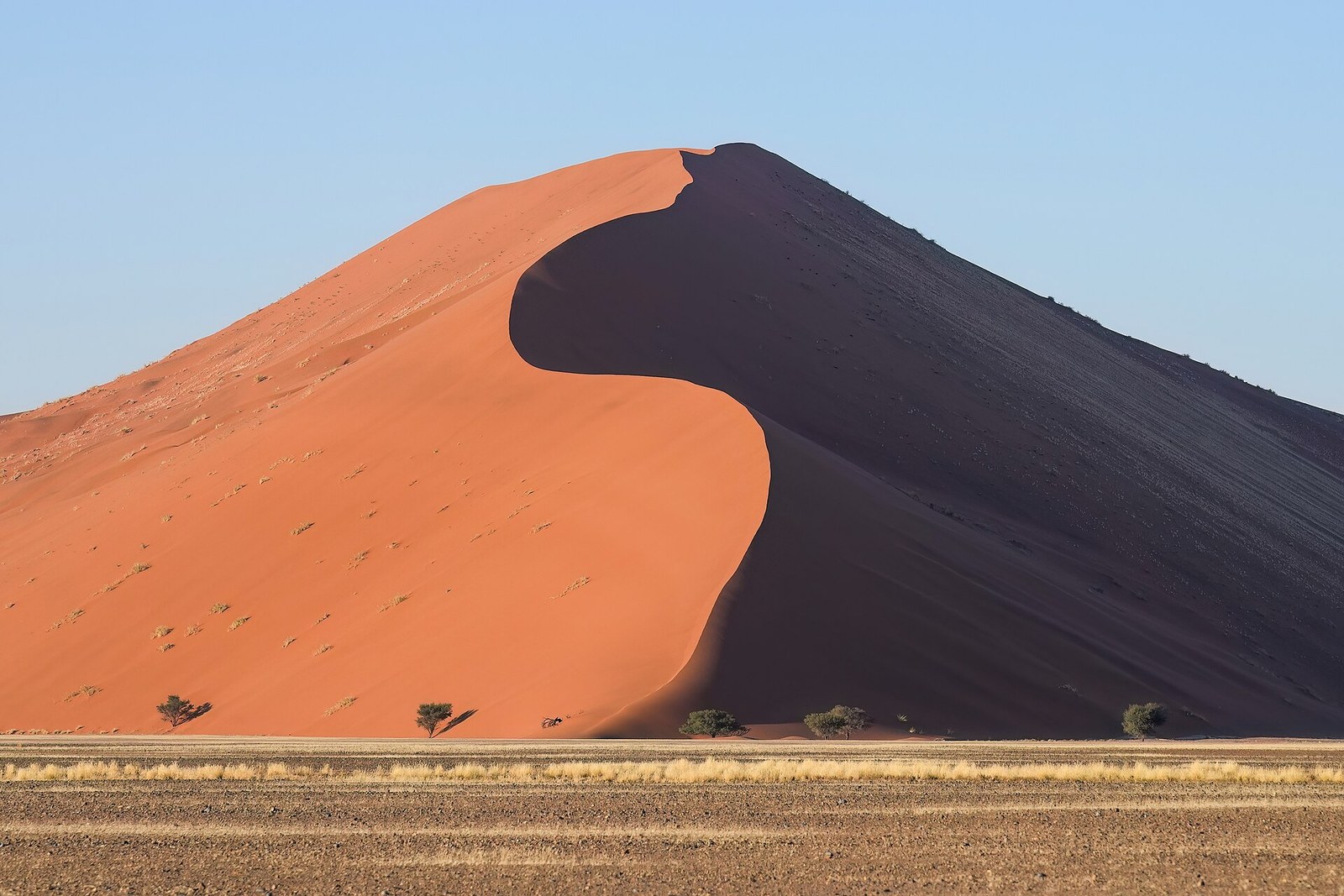
Damaraland is for travellers who want space, silence and something unusual. Wildlife is sparse compared with Etosha, but every sighting feels earned, and the landscapes of ochre rock and golden grass are spellbinding in the late light. Many lodges here are run in partnership with local communities, so your stay supports conservation directly.
Twyfelfontein
**Twyfelfontein**, or /Ui-//aes, is Namibia's first UNESCO World Heritage Site. Its sandstone slopes carry thousands of rock engravings made by hunter gatherers over thousands of years: giraffe, rhino, elephant, ostrich, human footprints and the famous **Lion Man**. Visits are guided by local guides on short walking routes. Nearby, **Burnt Mountain**, the **Organ Pipes** basalt columns and the **Damara Living Museum**, where Damara people demonstrate traditional skills, make a good half day together.
Desert adapted elephants
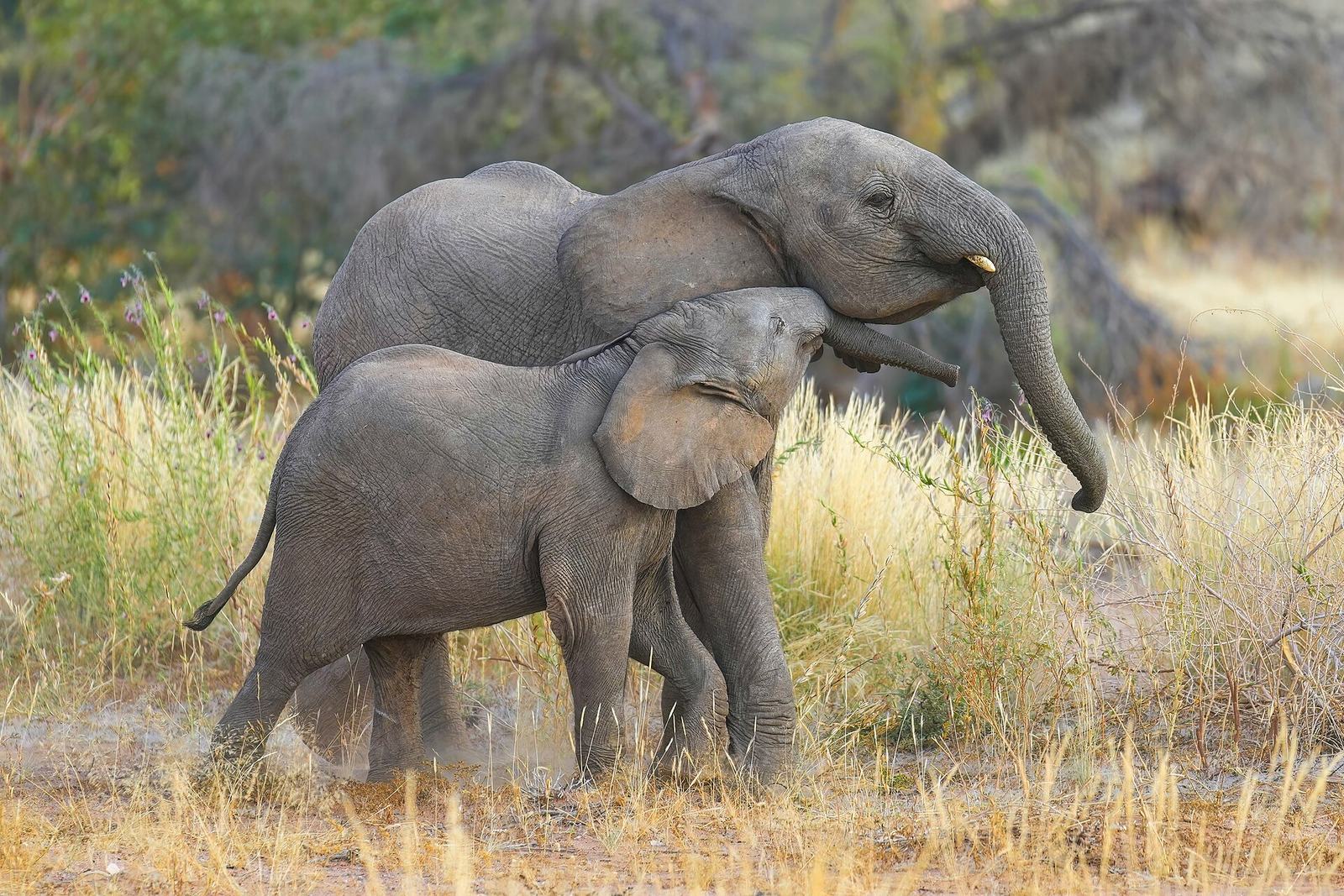
Small herds of elephants live along the **Huab**, **Aba Huab** and **Ugab** riverbeds, travelling long distances between water. They are wild and unpredictable. Go with a lodge guide or a specialist tracking outing rather than searching alone, keep a respectful distance and never get out of the car near them. Black rhino also survive in the region, protected by community rangers, and some lodges offer guided rhino tracking.
The Brandberg and Spitzkoppe
The **Brandberg** is Namibia's highest mountain, a granite massif that glows red at sunset. A guided walk up the Tsisab Gorge leads to the **White Lady** rock painting. Further south, **Spitzkoppe**, often called the Matterhorn of Namibia, rises from the plains with natural rock arches, San paintings and a community run campsite that is one of the most beautiful places to sleep in the country.
Other highlights
The **Petrified Forest** west of Khorixas holds fossilised tree trunks millions of years old, alongside welwitschia plants. **Vingerklip**, a tall rock finger in the Ugab valley, is a striking stop on the way to Etosha. Further north, **Palmwag** and **Sesfontein** lead into the remote Kunene region and Kaokoveld.
Where to stay
Lodges cluster around Twyfelfontein, the Huab valley, Palmwag and the Brandberg, ranging from community campsites to stylish eco lodges. Many are remote, so book ahead and arrive before dark. Campsites such as Spitzkoppe and Madisa are simple and atmospheric.
Getting around
Most roads are gravel and some are rough and rocky, with dry riverbeds that can flood briefly after rain. A high clearance vehicle, preferably a four by four, is recommended, and two spare tyres are wise. Fuel is available in Uis, Khorixas and a few other places, so fill up whenever you can. Mobile signal is patchy, so download offline maps before you go.
Respect
Do not touch the rock engravings or paintings, as skin oils damage them. Ask before photographing people, and buy crafts directly from community stalls where you can.
Suggested route
From Swakopmund, drive north via **Henties Bay** and **Uis** to the Brandberg, then on to **Twyfelfontein** for two nights, visiting the engravings, the Organ Pipes and Burnt Mountain and tracking elephants along the Huab. Continue past the **Petrified Forest** and **Vingerklip** towards Outjo and Etosha, or head north to **Palmwag** and the Grootberg Plateau if you have extra time and a sturdy vehicle. Spitzkoppe fits neatly into the first day for a night under the granite domes.
Questions about Damaraland
Is Damaraland worth visiting?
Yes, especially between Swakopmund and Etosha. Twyfelfontein's rock art, the chance of desert adapted elephants and the dramatic scenery make it one of Namibia's most memorable regions.
Will I definitely see desert elephants?
No. They roam widely and sightings depend on where the herds are. Going with an experienced lodge guide gives you the best chance and keeps both you and the elephants safe.
Do I need a four by four in Damaraland?
A high clearance vehicle is recommended and a four by four is safest, especially for side tracks, riverbeds and the roads beyond Palmwag. Carry two spare tyres and plenty of water.
Can I visit Twyfelfontein without a guide?
No. Visits to the engravings are with a local guide from the site, which protects the art and supports the community. Tours are short and easy walks.
Facts checked . Fees, schedules and entry rules change, so always confirm the latest with the official source.