At a glance
- Best for
- Pagodas, food, heritage streets and markets
- Airport
- Yangon International Airport (RGN)
- Time needed
- Two to three days
- Best season
- November to February
- Language
- Burmese, with some English in hotels
- Getting around
- Taxi, ride app, train and on foot
Why go
Yangon is not a city of tick box sights. It rewards slow wandering: a bowl of mohinga on a plastic stool, monks collecting alms at dawn, families picnicking at the pagoda in the evening. It also holds the country's finest collection of colonial buildings, many of them still in use, and the best food in Myanmar, from Shan noodles to Indian biryani and Chinese street barbecue.
Shwedagon Pagoda
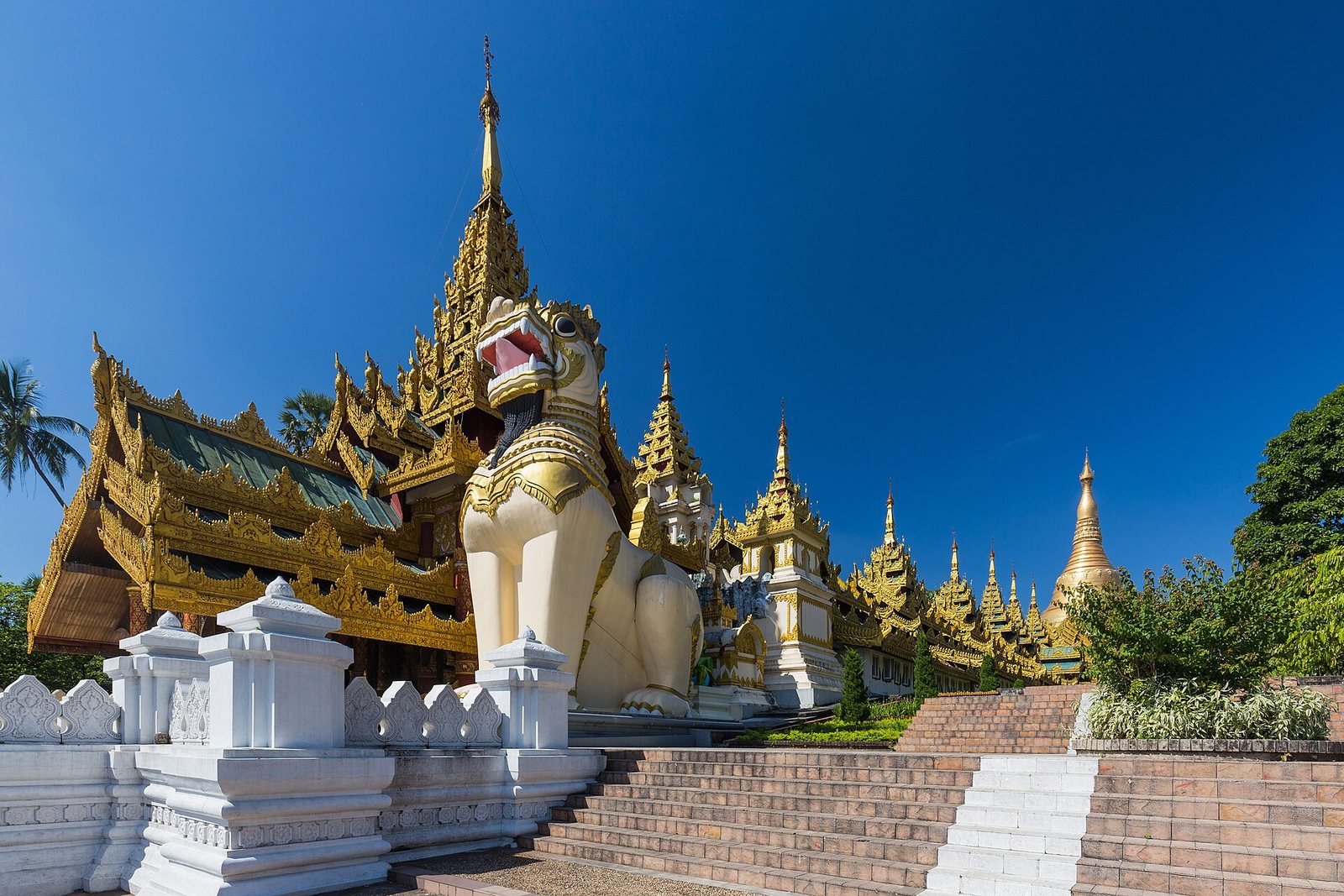
Shwedagon is the heart of the city and of the nation. The golden stupa stands on Singuttara Hill, surrounded by dozens of shrines, bells and planetary posts where people pray according to the day of the week they were born. Come in the late afternoon and stay for sunset, when the gold turns amber and the platform fills with families. Shoes and socks come off at the entrance, and shoulders and knees must be covered. Foreigners pay an entry fee; check the current amount at the gate.
Downtown
The grid of streets between Sule Pagoda and the river is the old colonial centre. Walk Pansodan Street, Mahabandoola Park and Strand Road to see the High Court, the City Hall, the old Secretariat and The Strand Hotel. Side streets are full of print shops, book stalls and tea shops. Chinatown, west of the centre, comes alive at night on 19th Street, with grilled skewers and cold beer.
Markets and food
Bogyoke Aung San Market is the place for longyi cloth, lacquerware and handicrafts, though check that gems come with proper paperwork. Theingyi Zei is a working market for spices and everyday goods. For food, start the day with mohinga, the fish noodle soup that is the national breakfast, try tea leaf salad at lunch and eat a Burmese curry spread at a local curry house.
Beyond the centre
The Yangon Circular Railway takes about three hours to loop through the suburbs and paddy fields, a slow window on daily life. Chaukhtatgyi's reclining Buddha and Ngahtatgyi's seated Buddha sit close together in Bahan. Kandawgyi Lake has a boardwalk with views of Shwedagon, and a short ferry crosses the river to Dala for a glimpse of village life. Taukkyan War Cemetery, north of the airport, is a quiet place of remembrance.
Where to stay
Downtown suits first visitors who want to walk to Sule Pagoda, the markets and the riverside. Bahan and the area around Kandawgyi Lake are greener and closer to Shwedagon. Golden Valley and the Inya Lake area are quieter, leafier residential districts.
Staying safe
Yangon has seen protests, arrests and occasional bomb attacks since 2021. Avoid gatherings and political demonstrations, do not photograph security forces or checkpoints, carry your passport, and keep up with local news. Power cuts are common, so carry a torch. Petty crime is low but traffic is heavy, so take care crossing roads.
How long to stay
Two or three days covers Shwedagon, downtown, a market morning and the Circular Railway. Add a day for Dala, Twante or the island pagoda at Kyauktan.
Eating like a local
Yangon's teahouses are its living rooms. Order a cup of laphet yay, the strong, sweet milky tea, and choose from samosas, palata flatbread, fried dough sticks and steamed buns brought to the table. You pay for what you eat. At lunch, curry houses lay out a curry with a dozen small dishes: soup, pickles, fresh vegetables with dips, and balachaung, a crunchy shrimp relish. In the evening, Chinatown and the streets around Sule are full of noodle stalls and barbecue. Downtown also has long running Indian and Muslim eateries serving biryani and dal, a legacy of the city's mixed past.
Day trips
The island pagoda of Yele Paya at Kyauktan, the hilltop Kyaik Khauk Pagoda at Thanlyin and the potters of Twante all make easy half day trips. Bago, with its huge reclining Buddhas, is further away; check advice for the road first.
Questions about Yangon
How many days do I need in Yangon?
Two to three days is ideal for Shwedagon, downtown, markets and the Circular Railway, with a day more for side trips.
When is the best time to visit Shwedagon Pagoda?
Late afternoon into sunset is the most beautiful time, and early morning is the coolest and calmest.
What should I wear at pagodas?
Cover your shoulders and knees, and be ready to remove shoes and socks before you enter the pagoda grounds.
Is Yangon safe for tourists?
Most visits pass without trouble, but there have been protests, arrests and bomb attacks since 2021. Follow your government's advice, avoid gatherings and stay aware.
What is the best food to try in Yangon?
Mohinga for breakfast, tea leaf salad, Shan noodles, a Burmese curry spread and Chinatown barbecue are the classics.
Facts checked . Fees, schedules and entry rules change, so always confirm the latest with the official source.