At a glance
- Best for
- Monasteries, crafts, history and sunsets
- Airport
- Mandalay International Airport (MDL)
- Time needed
- Two to three days
- Best season
- November to February
- Language
- Burmese, with some English in hotels
- Getting around
- Taxi, ride app or hired car with driver
Why go
Mandalay is less about the modern city, which is dusty and busy, than about what surrounds it: carved teak monasteries, the most sacred Buddha image in the country, a hill of shrines with a view to the plains, and a cluster of former capitals within an hour's drive. It is also the best place to watch traditional crafts being made.
The March 2025 earthquake
On 28 March 2025 a powerful earthquake struck near Mandalay and Sagaing. Thousands of people died, and many buildings, monasteries, pagodas and bridges were damaged, including sites around the palace, in Sagaing and at Inwa. Recovery is ongoing. Before you visit, check which sites are open and safe, and be respectful in places where communities are still rebuilding.
Mandalay Hill and the pagodas below
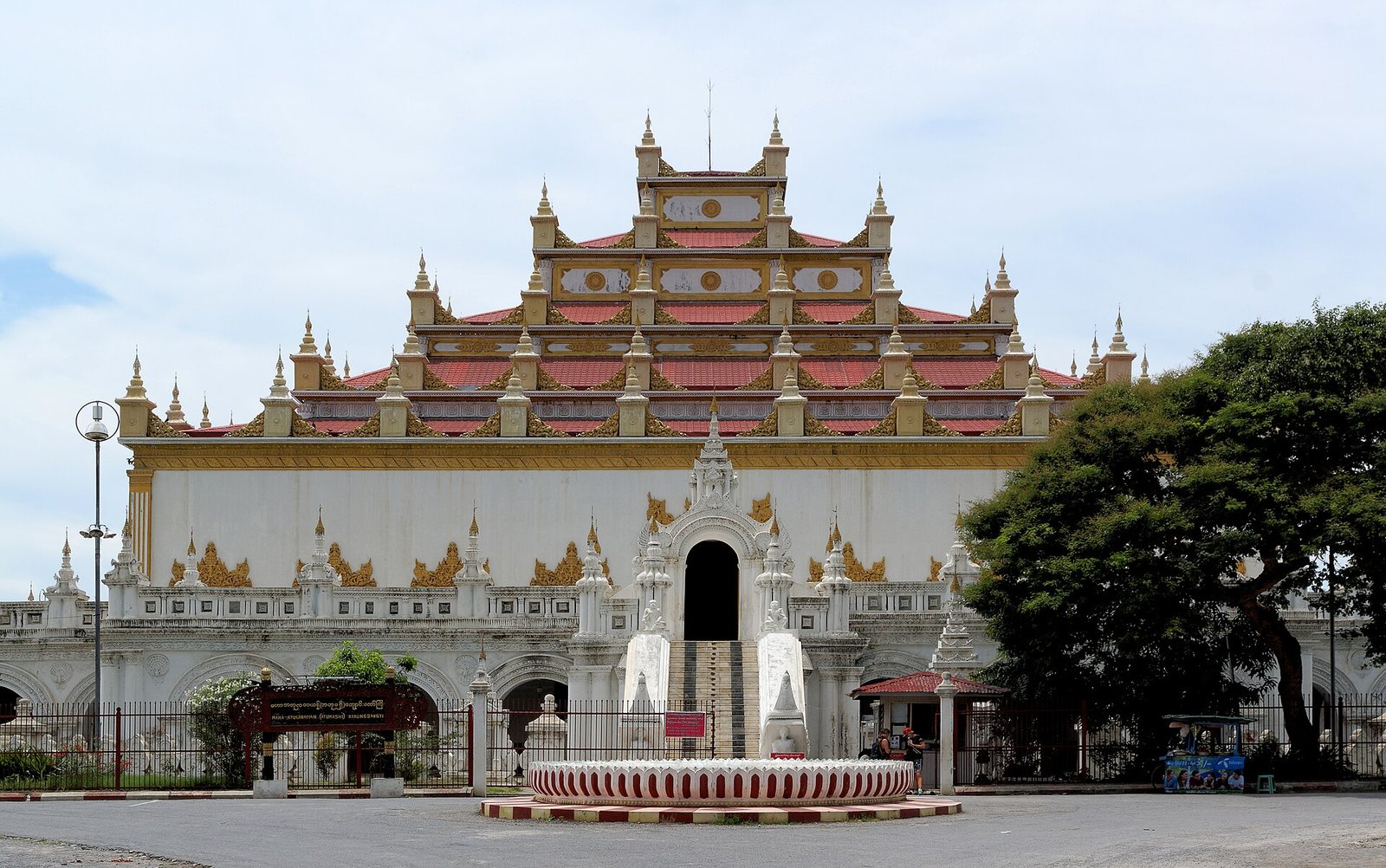
Covered stairways climb Mandalay Hill past shrines and fortune tellers to a terrace with sunset views. At its foot, Kuthodaw Pagoda holds hundreds of white shrines, each sheltering a marble slab inscribed with Buddhist scripture, often called the world's largest book. Sandamuni Pagoda nearby is similar and quieter. Shwenandaw Monastery, a single building covered in teak carvings, was once part of the royal palace.
Mahamuni Pagoda
In the south of the city, Mahamuni Pagoda houses a seated Buddha so covered in gold leaf by devotees that its shape has softened. Each dawn monks wash its face in a ceremony that draws crowds. Only men may apply gold leaf to the image itself.
U Bein Bridge and Amarapura
About eleven kilometres south, U Bein Bridge crosses Taungthaman Lake on more than a thousand teak posts. Walk it at sunrise or sunset, or watch from a small boat on the water. Nearby, Mahagandayon Monastery is a large monastic school.
The old capitals
Sagaing, across the Ayeyarwady, is a hill of stupas and nunneries. Inwa, explored by horse cart, has ruins and a teak monastery. Mingun, reached by river boat, has a vast unfinished stupa and the white Hsinbyume Pagoda. All suffered earthquake damage, so check conditions before going.
Crafts and markets
Watch gold leaf being beaten by hand in the craft quarter, visit the jade market to see stones cut and traded, and browse Zegyo Market for textiles and spices.
Where to stay
Most hotels are near the palace moat or in the grid of streets to its south and west, which is handy for Mandalay Hill and restaurants. Check that your hotel has reopened fully after earthquake repairs.
Staying safe
Fighting has taken place in parts of Mandalay Region and in neighbouring Sagaing Region. Roads beyond the city can be affected, so many visitors fly in and out. Check your government's advice and local news before any day trip.
Food in Mandalay
Mandalay is known for its own noodle dishes. Try mont di, rice noodles with fish or chicken, and Mandalay meeshay, rice noodles with pork and a tangy sauce. Teahouses here are busy from dawn, and the city has many Shan, Chinese and Indian eateries. Nylon Ice Cream Bar has served locals for decades. In the evening, the area south of the palace has street food stalls and simple restaurants.
A sample two day plan
On day one, start with the dawn face washing at Mahamuni Pagoda, then visit the gold leaf workshops and the jade market. After a midday rest, see Shwenandaw Monastery and Kuthodaw Pagoda, then climb or ride up Mandalay Hill for sunset. On day two, head south to Amarapura for Mahagandayon Monastery, then visit an old capital if it is open, and finish with sunset on U Bein Bridge.
Questions about Mandalay
How many days do I need in Mandalay?
Two to three days covers Mandalay Hill, the monasteries, Mahamuni and a sunset at U Bein Bridge, with time for an old capital if open.
Was Mandalay damaged by the earthquake?
Yes. The March 2025 earthquake damaged many buildings and religious sites in and around the city. Check which sites are open before you visit.
When is the best time to see U Bein Bridge?
Sunrise is quieter and cooler, while sunset is the classic view with monks and villagers crossing in silhouette.
Can I visit Mingun, Sagaing and Inwa?
Often yes, but all three were damaged in the 2025 earthquake and conditions change. Check locally and follow your government's advice.
What food is Mandalay known for?
Mont di and Mandalay meeshay rice noodles, strong teahouse tea and snacks, and Shan and Chinese dishes.
Facts checked . Fees, schedules and entry rules change, so always confirm the latest with the official source.