At a glance
- Best for
- History, architecture, photography and slow travel
- Airport
- Nampula Airport (APL)
- Time needed
- Two to four days
- Best season
- May to November
- UNESCO status
- World Heritage Site since 1991
- Getting around
- Walking and bicycles
Why visit
Few places in Africa carry so many layers of history in so small a space. Swahili traders, Arab merchants, Portuguese sailors, Indian businesses and enslaved Africans all passed through here. Vasco da Gama landed in 1498. The island is quiet, slow and deeply atmospheric, and it rewards wandering without a plan.
Stone Town
The northern half of the island is the Stone Town, or Cidade de Pedra e Cal. Highlights include the vast Fortress of São Sebastião with its Chapel of Nossa Senhora do Baluarte, often described as the oldest European building in the southern hemisphere; the Palace and Chapel of São Paulo, now a museum of colonial furniture and sacred art; the Hospital building; and old merchant houses slowly being restored. Many buildings are crumbling, which is part of the haunting beauty.
Makuti Town
The southern half is Makuti Town, where most islanders live in houses with palm thatch roofs, built below street level where coral stone was quarried. It is lively with children, small shops and mosques. Walk with respect, ask before photographing people, and consider a local guide who can explain daily life.
The sea and nearby beaches
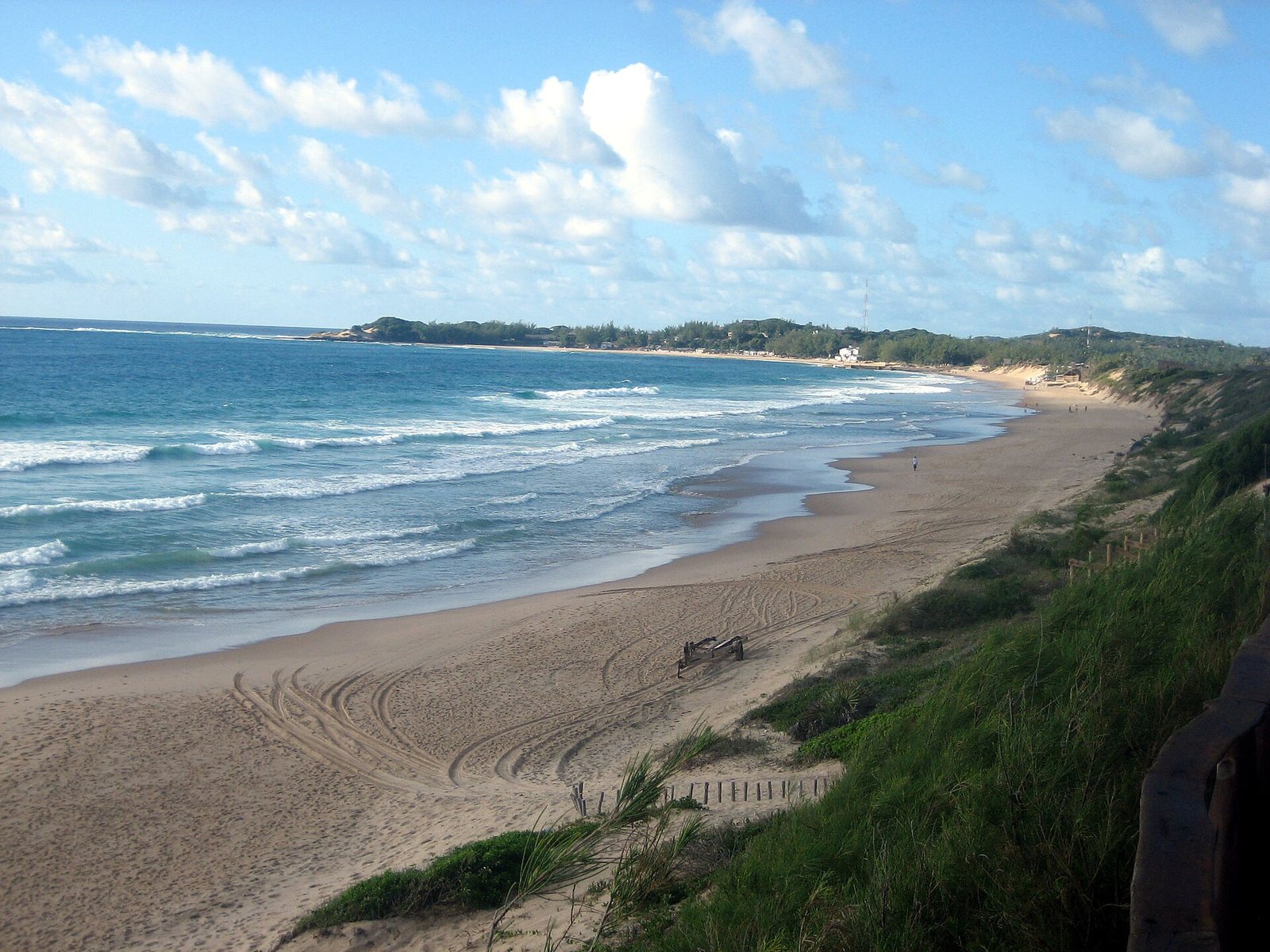
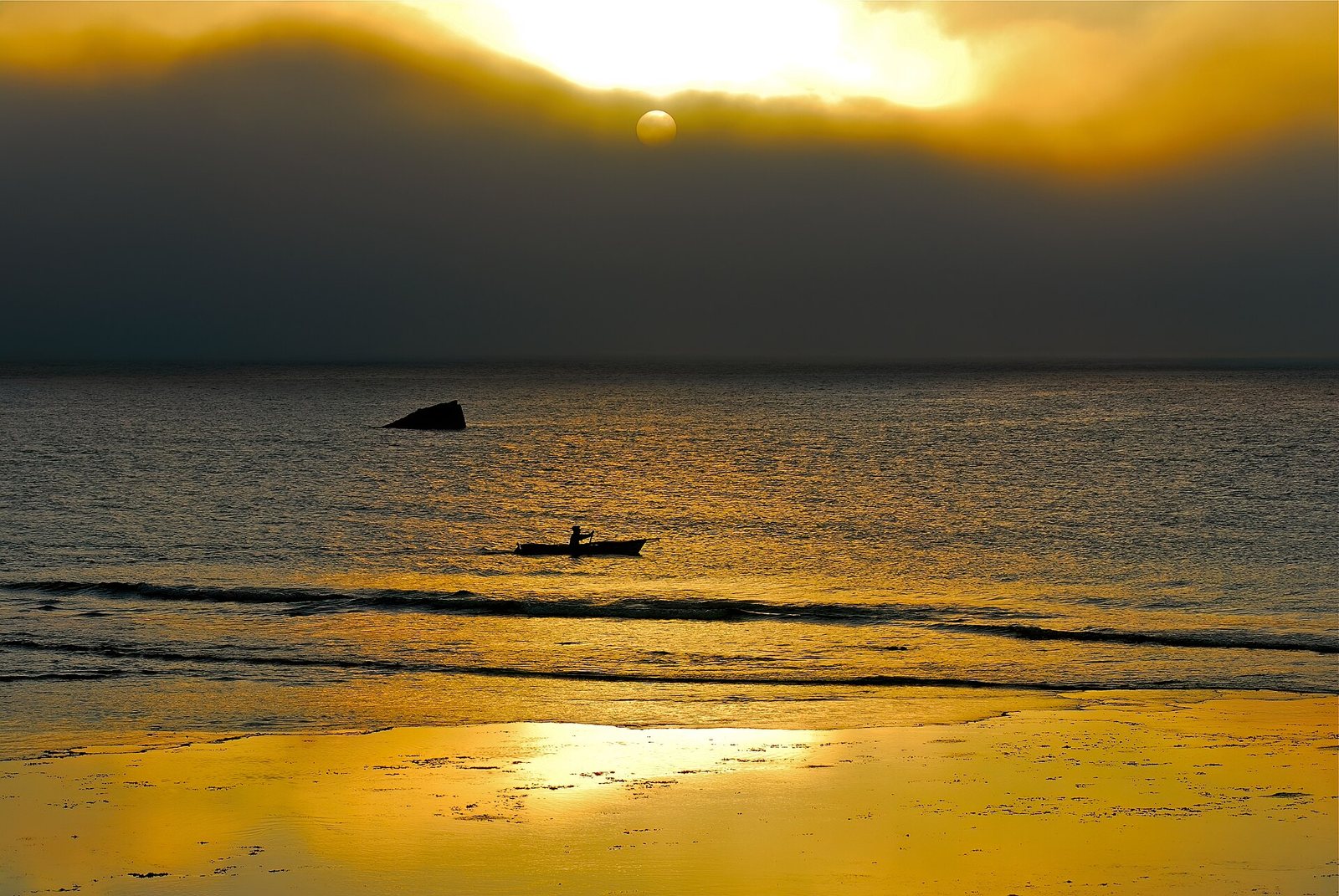
The island has small beaches and good snorkelling, but the best sand is across the water. Dhows sail to Goa Island and its lighthouse, and to Sete Paus. On the mainland, Chocas Mar and Cabaceira Pequena have quiet beaches, and Cabaceira Grande has old ruins and a church. Arrange boats through your guesthouse.
Food
Seafood dominates: grilled fish, octopus, crab and prawn curries cooked with coconut and spices that show the island's Indian Ocean ties. Small restaurants in old houses serve dinner on terraces, and street stalls sell samosas (chamussas) and fresh bread.
Getting there
Fly to Nampula, then travel about three hours by road to the island with a shared minibus or a private transfer arranged by your guesthouse. Avoid travelling the road at night. Note that while Ilha de Moçambique is in Nampula Province, parts of the far north of the province near Cabo Delgado have travel warnings, so read current government advice for the route you plan.
Practical tips
The island is calm and friendly, but carry small notes, as ATMs are limited. Dress modestly away from the beach out of respect for the island's Muslim majority. Bring repellent for malaria and plan for a slower pace: power cuts and patchy service are part of island life.
A suggested two day plan
Start with an early walk to the Fortress of São Sebastião before the heat, then visit the Chapel of Nossa Senhora do Baluarte and the Palace of São Paulo. Lunch on grilled fish, then rest through the hottest hours. In the late afternoon, wander Makuti Town with a local guide and watch the sunset from the bridge end of the island. On day two, take a dhow to Goa Island or the mainland beaches at Chocas Mar, and finish with dinner on a rooftop terrace in the Stone Town.
Who it suits
The island suits history lovers, photographers and slow travellers rather than people seeking resort comforts. Diaspora visitors with roots in the north often find it a moving place to connect with the country's past.
Questions about Ilha de Moçambique
Is Ilha de Moçambique safe to visit?
The island itself is generally calm and welcoming. Check current travel advice for Nampula Province before you go, as some northern areas carry warnings, and avoid road travel after dark.
How long should I spend on Ilha de Moçambique?
Two to three nights lets you see the fortress and museum, explore both towns and take a dhow to a nearby beach.
Can I walk around the island?
Yes. The island is small enough to walk end to end in under an hour, and bicycles are a pleasant way to explore.
Why is it called Ilha de Moçambique?
The country takes its name from the island, which was the capital of Portuguese East Africa until the late nineteenth century.
Facts checked . Fees, schedules and entry rules change, so always confirm the latest with the official source.