At a glance
- Best for
- Safari, birdlife and conservation stories
- Airport
- Beira Airport (BEW)
- Time needed
- Two to four days
- Best season
- May to November
- Highlights
- Lake Urema floodplain, lions, elephants, Mount Gorongosa
- Getting around
- Guided game drives with park camps
Why visit
Gorongosa is not a classic big five park packed with vehicles. It is a wild, green, uncrowded place where the scale of recovery is the attraction. You may watch huge herds of waterbuck on the floodplain, lions resting in fever trees and hundreds of birds around Lake Urema, often without another vehicle in sight.
The landscape
The park sits at the southern end of the Great Rift Valley. Its heart is the floodplain around Lake Urema, which expands in the rains and shrinks in the dry season, drawing animals in to the water. Around it are palm savannah, woodland and limestone gorges, and to the west Mount Gorongosa rises above the plain with rainforest and waterfalls.
Wildlife
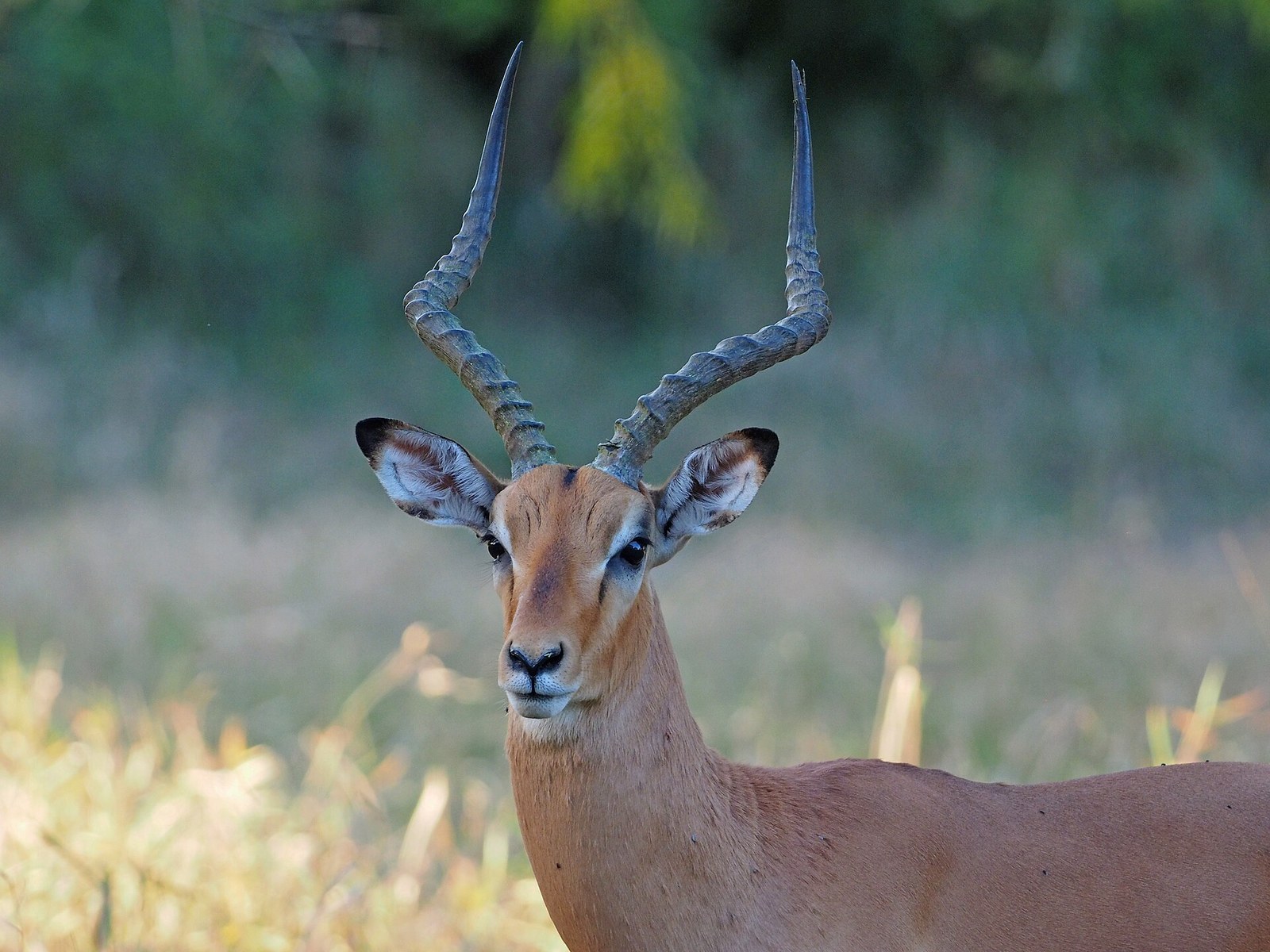
Common sightings include waterbuck, sable, kudu, nyala, impala, warthog, baboons, hippos and crocodiles. Lions and elephants are frequently seen, and a reintroduced pack of African wild dogs and leopards add excitement. Birders can expect a long list, from fish eagles and storks to rare species in the montane forests.
Camps and activities
The park runs Chitengo Camp, the main base with rooms, a restaurant and guided activities, and a small number of private lodges and tented camps operate in the park. Activities include game drives, walks with guides, birding and visits to community and science projects. The E.O. Wilson Biodiversity Laboratory shows the research behind the recovery. Book activities through the park or your lodge.
Mount Gorongosa and the community
On the mountain, local farmers grow shade coffee to restore forest cover, and the Gorongosa coffee is sold in Mozambique and abroad. Guided visits to the mountain's Murombodzi waterfall and coffee areas can sometimes be arranged; ask the park what is open.
Getting there
Fly to Beira, then drive around four hours inland via the EN6 and EN1 to the park gate, or arrange a road or air transfer through the park or lodge. Self drivers should travel only in daylight. Check current travel advice for Sofala and Manica provinces before planning road travel.
When to go
The dry season, roughly May to November, is best for game viewing as animals gather near water and roads are passable. In the rainy season much of the park floods, and camps may close or limit activities. Confirm opening months before booking.
Practical tips
Malaria risk is high, so take advice on antimalarials and use repellent. Bring binoculars, neutral coloured clothing and a warm layer for early drives.
A suggested three day plan
Arrive from Beira in the early afternoon, settle into camp and head out on a sunset game drive. Spend the second day on morning and afternoon drives around Lake Urema's floodplain, with a midday visit to the biodiversity laboratory. On the third day, take an early walking safari or birding outing before driving back to Beira for your onward flight.
Why your visit matters
Tourism income helps fund rangers, schools, health programmes and farming support in the communities around the park. Choosing to visit, and buying local coffee and crafts, directly supports that model.
Packing list
Pack long sleeves for dusk, sturdy shoes for walks, a dust cover for cameras, a head torch, and a refillable water bottle.
Questions about Gorongosa National Park
Can you see the big five in Gorongosa?
Gorongosa has lions, elephants, leopards and buffalo, but rhinos are not part of the visitor experience. The park is about recovery and wilderness rather than ticking off a list.
Is Gorongosa open all year?
Camps usually operate in the dry season and may close or limit access during the rains. Check the official park website for current dates.
How do I get to Gorongosa from Beira?
It takes around four hours by road from Beira. The park and lodges can arrange transfers, and light aircraft transfers are sometimes possible.
Is Gorongosa good for families?
Older children who enjoy wildlife will love it. Malaria precautions are essential, and some lodges set minimum ages for activities.
Facts checked . Fees, schedules and entry rules change, so always confirm the latest with the official source.