At a glance
- Best for
- Food, music, architecture and art
- Airport
- Maputo International Airport (MPM)
- Time needed
- Two to three days
- Best season
- May to November, the dry season
- Language
- Portuguese, plus Changana
- Getting around
- Ride-hailing apps, taxis and walking in daylight
Why visit Maputo
Most international flights land in Maputo, and it is worth giving the city two or three days rather than rushing north. It has the best restaurants in the country, a creative arts scene, striking twentieth century architecture and a real local energy you will not find in the beach resorts. Many diaspora visitors also start here, staying with family in the suburbs.
The Baixa and the old town
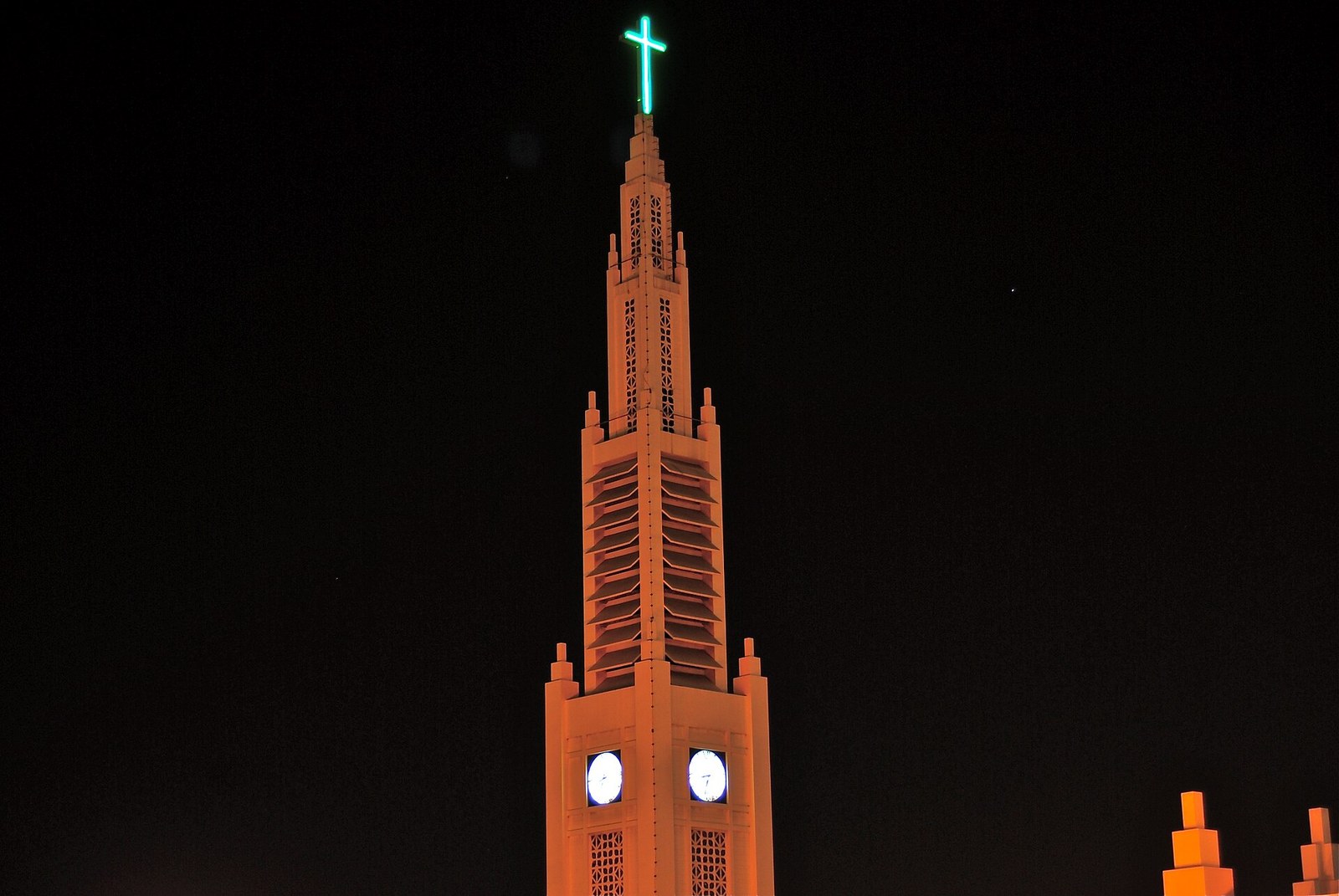
The Baixa, the old downtown near the port, holds the Fortaleza de Maputo, the iron house often linked to Gustave Eiffel's workshop, the domed railway station (Estação Central dos CFM), the Municipal Market and the Cathedral of Our Lady of the Immaculate Conception. A slow morning walk from the station up to Praça da Independência covers most of it. Look out for the faded art deco and modernist buildings that architecture fans travel to see.
Polana and the Marginal
Uphill, Polana and Sommerschield are leafy, quieter neighbourhoods of embassies, cafés and the grand Polana Serena Hotel, whose terrace looks out over the bay. Below, the Avenida da Marginal runs along the seafront to Costa do Sol, a long-standing restaurant famous for prawns. Weekends bring families, joggers and music to the seafront.
Food and the fish market
The Mercado do Peixe, the fish market near the Marginal, is the classic Maputo meal: you choose prawns, crab, lobster or fish at the stalls, then a small restaurant next door grills it for you with piri piri and chips. Elsewhere try matapa (cassava leaves cooked with peanut and coconut), frango à zambeziana, pãozinho rolls and the local beers 2M and Laurentina.
Art and music
Maputo has a strong art culture. The Núcleo de Arte is an artists' collective with a garden bar, the Fundação Fernando Leite Couto hosts readings and concerts, and the Museu Nacional de Arte shows work by painters like Malangatana. For music, look for live marrabenta and jazz nights at venues such as Gil Vicente and the Associação Cultural da Casa Velha. The FEIMA craft market is the best place for carvings, capulana fabric and paintings.
Day trips
The ferry and boat trips to Inhaca Island and Portuguese Island give a first taste of the coast, with snorkelling and seafood lunches. Catembe, across the bay via the long suspension bridge or a short ferry, has relaxed waterfront restaurants with skyline views. The Maputo National Park, which joined the former elephant reserve and Ponta do Ouro marine area, is a few hours south.
Safety and getting around
Maputo is generally relaxed, but petty crime and occasional muggings happen. Keep phones out of sight on the street, avoid walking alone after dark, and use ride-hailing apps or taxis arranged by your hotel. Police checks happen, so carry a copy of your passport and entry stamp. Chapas, the minibuses, are cheap and busy but confusing for first-timers.
A suggested two day plan
On day one, walk the Baixa in the cool of the morning: the railway station, the iron house, the fortress and the Municipal Market, then coffee on Avenida 24 de Julho. Spend the afternoon at the Museu Nacional de Arte and the Núcleo de Arte, and finish with prawns at the fish market. On day two, take a boat to Inhaca or cross the bridge to Catembe for a long seafood lunch, then catch sunset on the Polana Serena terrace and live music in the evening.
When to go
The dry season from May to November brings warm days and cool evenings, and the jacarandas bloom purple around October and November. December to March is hot, humid and stormy.
Questions about Maputo
Is Maputo safe for tourists?
Maputo is manageable with normal city precautions. Muggings and bag snatching happen, especially at night, so use app rides or hotel taxis after dark, keep valuables out of sight and stay alert on the Marginal and in the Baixa.
Where should I stay in Maputo?
Polana, Sommerschield and the Marginal suit most first-timers, with hotels, guesthouses and restaurants close by. The Baixa is atmospheric by day but quieter and less comfortable at night.
How many days do I need in Maputo?
Two to three days covers the Baixa, the fish market, the art scene and a boat trip to Inhaca or Catembe before heading up the coast.
Can I travel from Maputo to South Africa by road?
Yes, the Ressano Garcia and Lebombo border is a few hours from Maputo, and buses run to Johannesburg. Check entry rules for both countries and border hours before you go.
Facts checked . Fees, schedules and entry rules change, so always confirm the latest with the official source.