At a glance
- Best for
- Culture, diving, lagoon sunsets, daily Marshallese life
- Time needed
- Three to six nights
- Getting there
- Amata Kabua International Airport sits midway along the atoll road
- When to visit
- Any time; December to April is drier and breezier
- Language
- Marshallese and English
- Good to know
- One road runs the whole atoll, served by cheap shared taxis
Getting your bearings
Majuro Atoll is shaped like a stretched ring, and a single paved road runs along its southern and eastern sides for around fifty kilometres. At the eastern end is **Rita**, a crowded residential area. Next comes the downtown known to everyone as **DUD**, short for **Delap, Uliga and Djarrit**, where you find the government buildings, banks, the post office, the main hotels, supermarkets and the port. Heading west, the road passes the airport and then runs through quieter villages all the way to Laura. Directions are simple: you are going either towards Rita or towards Laura.
The Alele Museum and the stick charts
The **Alele Museum**, beside the public library in Uliga, is the single most important stop for first-time visitors. Its collection explains how Marshallese navigators crossed open ocean using **stick charts**, frameworks of sticks and shells that map swell patterns around islands. You will also see canoe models, tools, weaving and photographs from the early colonial era. The museum shop sells handicrafts, and staff can often point you to weavers and carvers.
Government quarter and Delap
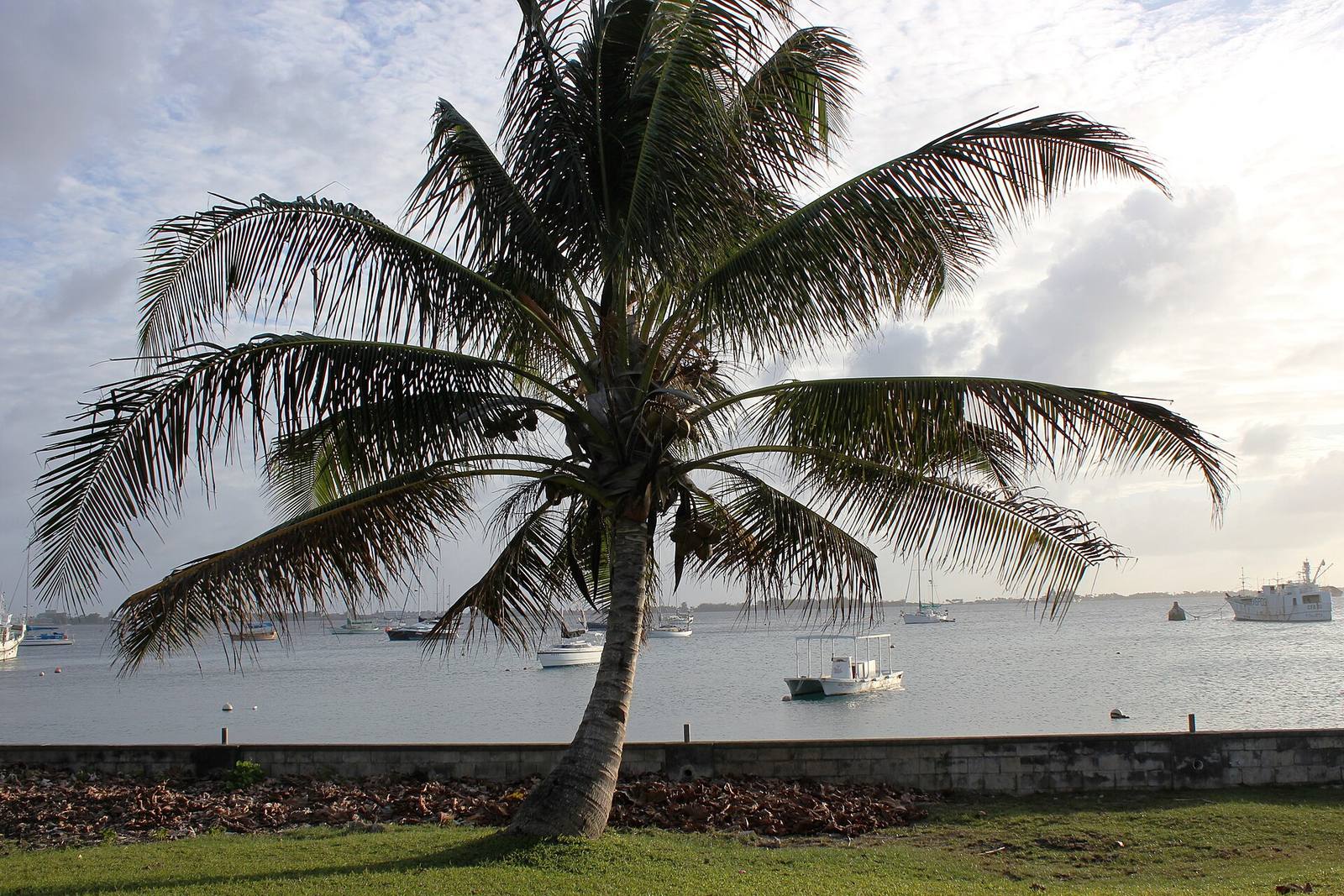
The **Nitijela**, the national parliament, and the **Capitol Building** stand in Delap, a modern complex you can see from the road. Nearby, the **Majuro Peace Park** remembers those who died in the Pacific War, and the **Marshall Islands Resort** and **Hotel Robert Reimers** sit on the lagoon shore. Uliga dock is where fishing boats, government ships and the occasional yacht tie up, and it is a good place to watch daily life on the water.
The lagoon and the reef
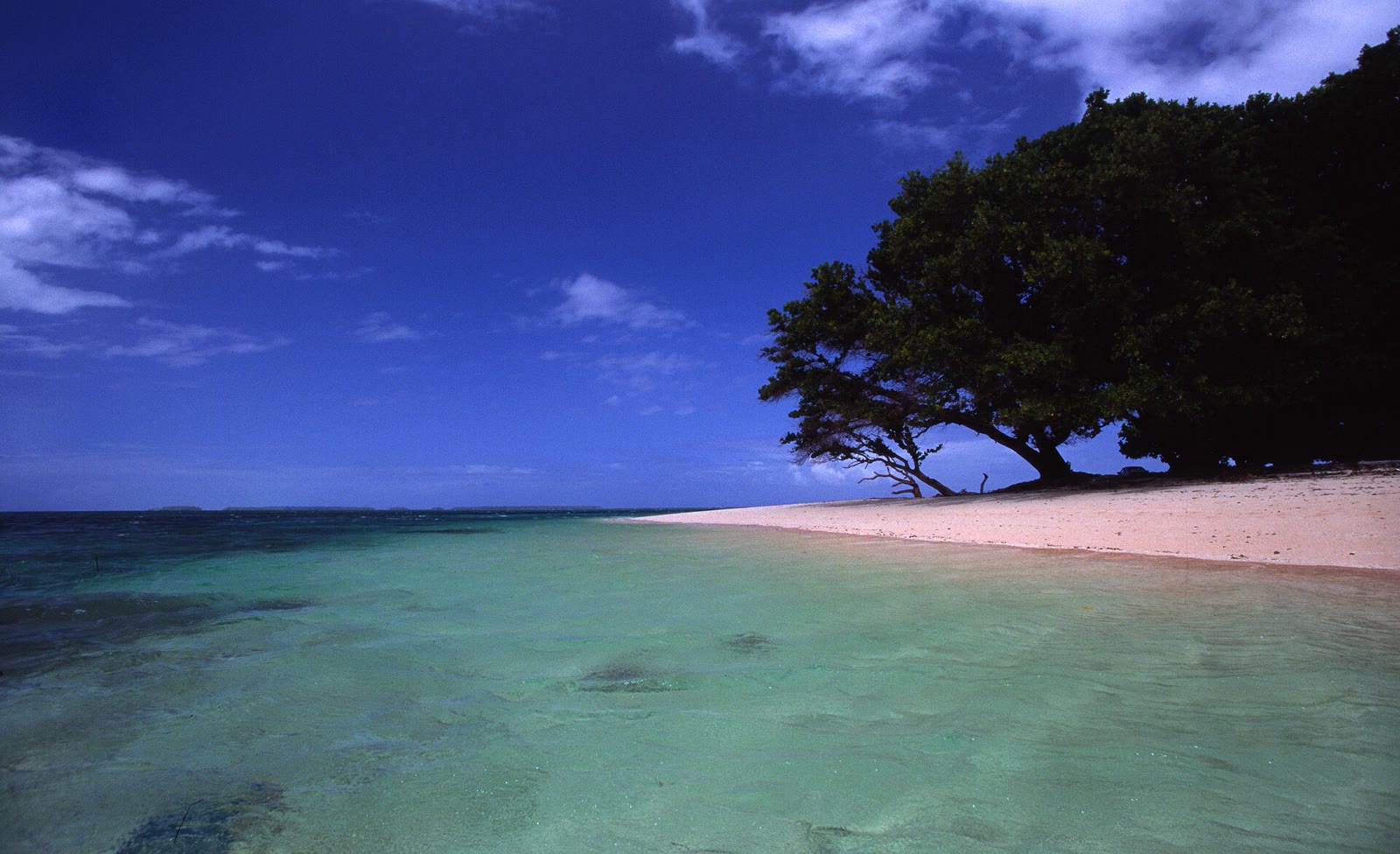
Majuro's lagoon is enormous and, away from the busy downtown shoreline, wonderfully clear. Local dive operators run trips to coral heads, the lagoon pass and outer reef walls where you may see sharks, turtles and manta rays. Snorkellers do best on calm days near the outer islets. Many visitors take a boat to **Eneko Island**, a small islet across the lagoon with white sand, palm shade and simple overnight cottages, the perfect antidote to downtown traffic.
Everyday life along the road
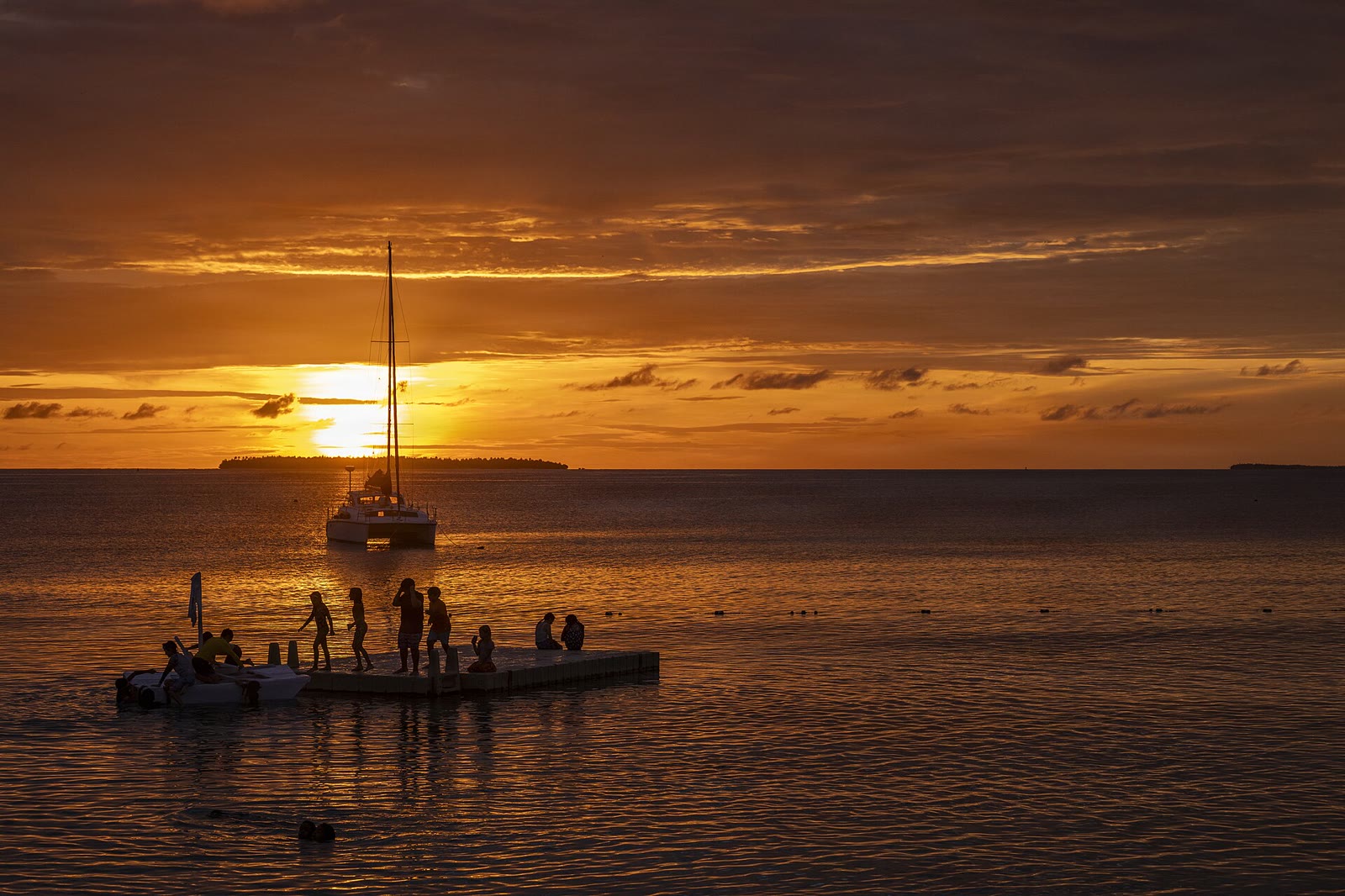
What stays with people is everyday life: kids leaping off the causeway at high tide, church choirs on Sunday, outrigger canoes on the lagoon and families sharing breadfruit and fish under the palms. The **Majuro Bridge**, the highest point on the atoll, gives a view over the lagoon and the ocean side at once. Take a shared taxi the length of the road to understand how narrow the land really is: in places you can see both shores from your seat.
Food and drink
Majuro's food scene is small but varied. Hotel restaurants serve fresh tuna, sashimi and international dishes; small local places serve rice plates, reef fish, breadfruit and pandanus; and Asian restaurants reflect the long ties with Taiwan, Japan and the Philippines. Try **jäänkun** (dried pandanus paste), coconut crab when it is offered legally and in season, and simple grilled fish by the lagoon. Supermarkets such as Payless and Formosa stock imported goods at island prices.
Where to stay
Most visitors stay in DUD, close to restaurants and offices. **Hotel Robert Reimers** and the **Marshall Islands Resort** are the best known; there are also smaller hotels and guesthouses. For a quieter stay, look at lagoon islets such as Eneko or homestays towards Laura. Book ahead when conferences or regional meetings are on, because rooms fill fast.
Getting around
Shared taxis run constantly along the main road and are cheap and easy: wave one down, say where you are going, and pay a flat fare in cash. They pick up other passengers on the way. There are no regular public buses in the usual sense. Walking is fine in DUD by day, but the heat is intense, so carry water and shade.
Practical tips
Carry cash in small US dollar notes, dress modestly away from the hotel pool, and remember that Sundays are quiet and centred on church. Drink bottled or treated water. Power cuts and water shortages happen, so pack a small torch. Finally, allow a buffer day before your flight out, because services are infrequent.
Questions about Majuro
How many days do I need in Majuro?
Three to four nights covers the Alele Museum, a dive or snorkel trip, a day at Laura and a lagoon sunset. Add two more nights if you want Eneko Island or an outer atoll trip.
Is Majuro walkable?
The downtown DUD area is walkable by day, though hot. For anything further, use the shared taxis that run up and down the single main road.
Can I swim in the lagoon near downtown?
It is better to swim away from the busy downtown shore, where water quality can be poor. Head to Laura, Eneko Island or the quieter islets for clean, clear water.
Is Majuro a good base for the whole trip?
Yes. Almost all flights, boats, banks and medical care are in Majuro, so most travellers base themselves here and make short trips to Laura, Arno or further afield.
Facts checked . Fees, schedules and entry rules change, so always confirm the latest with the official source.