At a glance
- Best for
- Beach days, swimming, picnics, village life
- Time needed
- A full day, or one night
- Getting there
- A long taxi ride west from downtown Majuro along the atoll road
- When to visit
- Weekdays for quiet; weekends for local family life
- Language
- Marshallese, with English widely understood
- Good to know
- Few shops or cafés, so bring water, snacks and cash
Why go to Laura
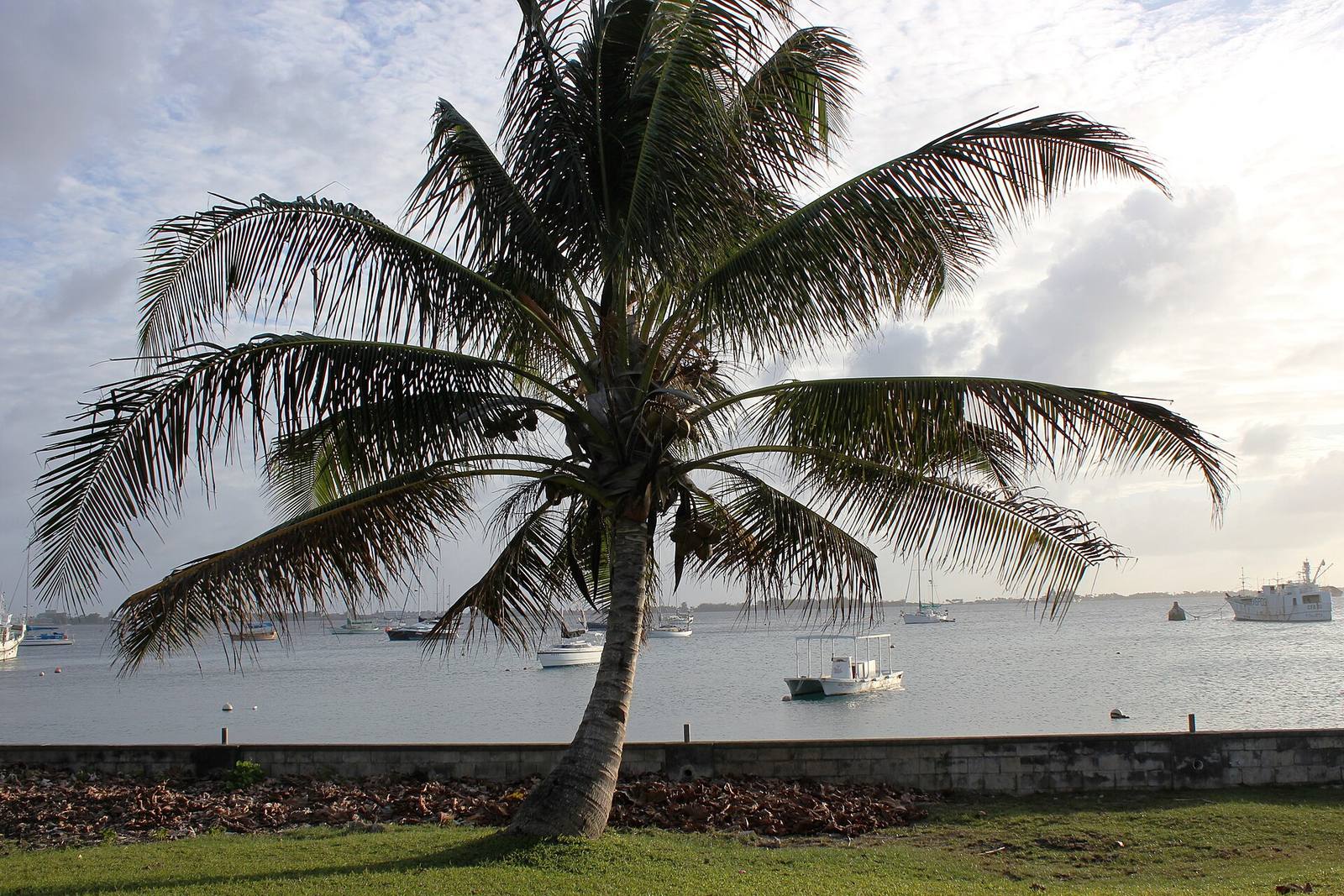
After a few days in busy downtown Majuro, Laura feels like a different island. The land here is wider than along most of the atoll, so there is room for gardens, pig pens, banana and pandanus groves and village houses set back from the road. Life moves at the pace of the tide. For many visitors the drive itself, with the lagoon flashing on one side and ocean surf on the other, is half the pleasure.
Laura Beach
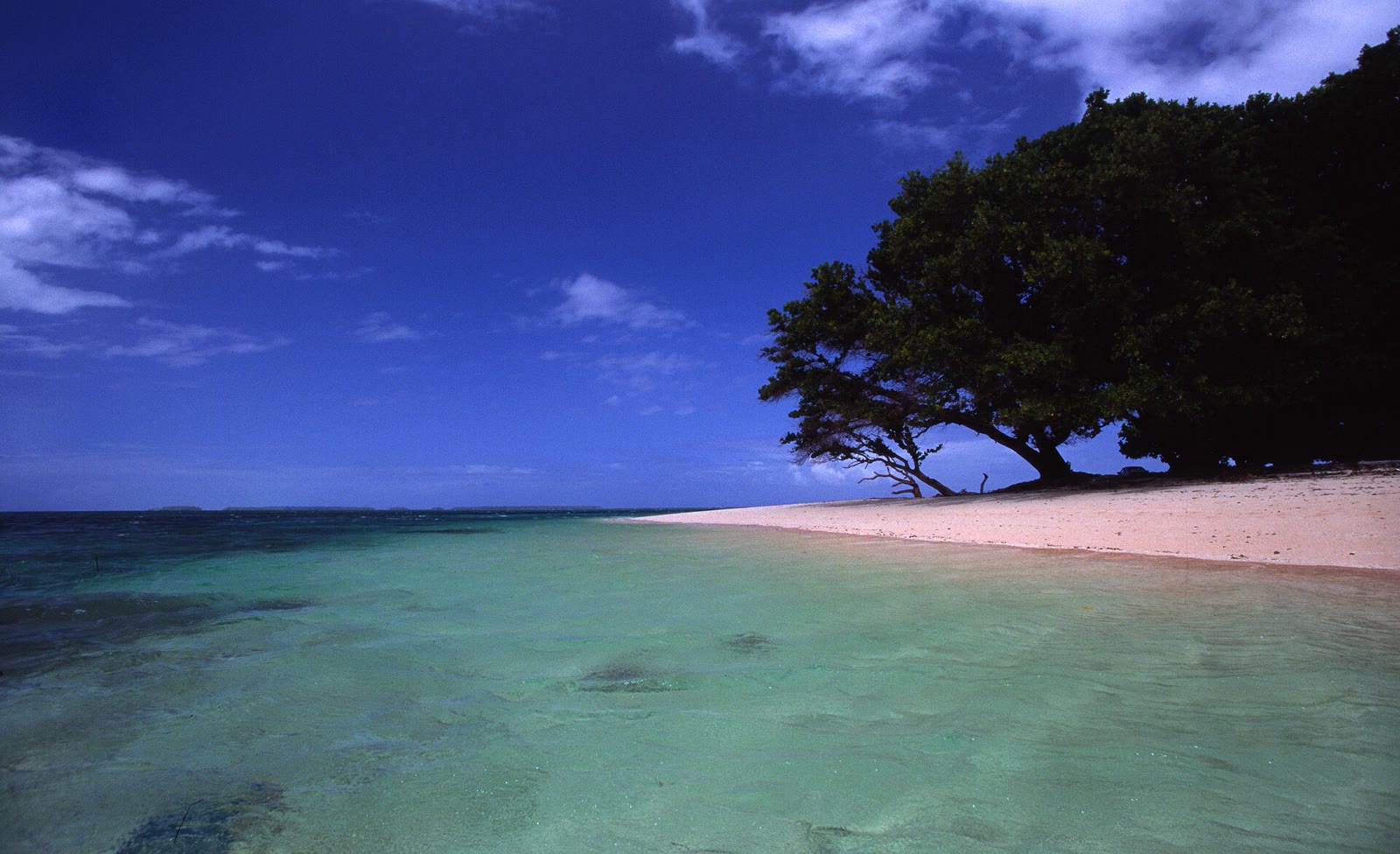
**Laura Beach** sits at the very western tip of the island, where the road ends. Soft white sand slopes gently into a calm, clear stretch of lagoon that is ideal for swimming and snorkelling at high tide. Palms and pandanus give shade, and there are simple shelters for picnics. A small access fee is usually collected by the landowning family, as is common across the Marshall Islands where almost all land is privately owned. Pay it with a smile; it keeps the beach clean and maintained.
At low tide, the water retreats and you can walk on the sand flats, look for small fish and shells, and see how the atoll is built from coral. Swim only in the lagoon: the ocean side has strong surf and currents and is not safe for swimming.
Sunsets and evenings
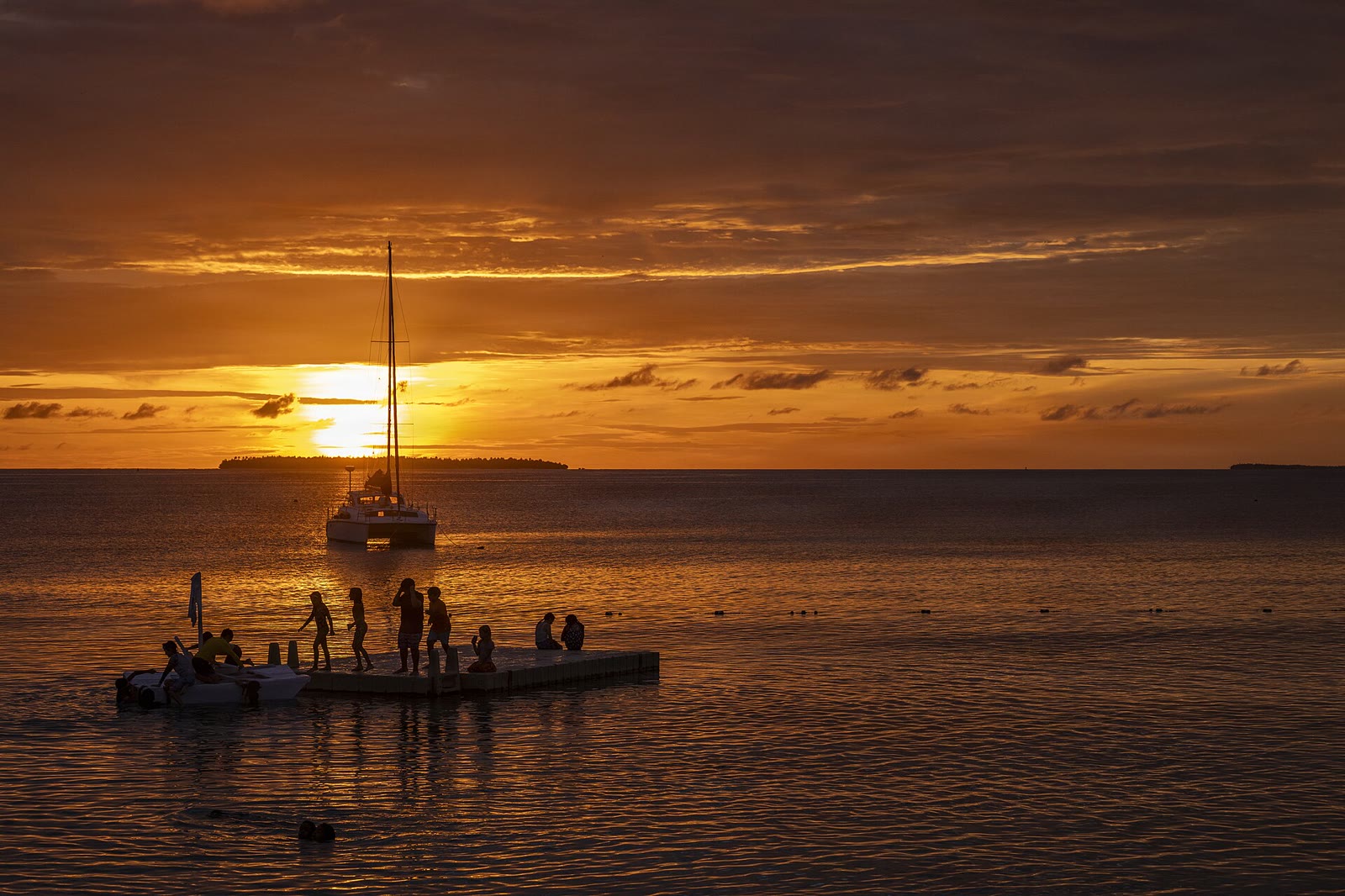
Laura faces west across the lagoon, which makes it the best sunset spot on Majuro. Families arrive in the late afternoon with coolers and children, and the whole beach turns gold. If you are staying in downtown Majuro, arrange a taxi back before dark, because taxis are fewer at this end of the road.
Farms and gardens
Laura is Majuro's farming district. The **Laura Farm**, long supported by a Taiwanese technical mission, grows vegetables that are otherwise hard to find on the atoll, and roadside stalls sometimes sell bananas, papaya, breadfruit and coconuts. Breadfruit, or **mä**, is in season mostly in the drier part of the year, and you will see it roasted on open fires. Look out for pandanus fruit, too, which is chewed fresh or made into a sweet paste.
Village life and church
Laura has several churches, and on Sundays the singing drifts across the road. Visitors are welcome at services if they dress modestly: covered shoulders and knees for women, long trousers or a neat shirt for men. Village life is gentle, and people are curious and friendly. Ask before taking photographs of people or homes.
The highest point on the atoll
Laura contains the highest natural ground on Majuro, still only a few metres above sea level. It is a reminder of why climate change and rising seas are such a pressing concern for the country. Locals talk openly about king tides and coastal erosion, and you will see sea walls protecting homes.
Getting there and getting back
Laura is at the far end of the single atoll road, past the airport. Shared taxis run there from downtown, but they are less frequent than in DUD, so agree a pick up time with a driver or ask your hotel to help. The ride is long and the road narrow, with villages, dogs and children along the way, so traffic is slow.
Staying overnight
A few simple guesthouses and homestays operate around Laura, and some families rent beach houses. Staying a night lets you enjoy sunset without rushing back, and the early morning, when fishermen head out in the calm, is magical. Facilities are basic: expect fans rather than air conditioning, and bring insect repellent.
What to bring
There are only small village stores at this end of the atoll. Bring drinking water, snacks, sunscreen, a hat, reef shoes and cash in small notes for the beach fee and drinks. A snorkel and mask are worth packing. Take all rubbish home with you.
Etiquette
Laura Beach is a family place. Swim in shorts and a T-shirt or a modest swimsuit, avoid drinking alcohol in public, and keep music low. Treat the landowners' rules as you would a host's, and you will be warmly welcomed.
Questions about Laura
Is there a fee to visit Laura Beach?
Usually a small access fee is collected for the landowning family. It changes from time to time, so carry small notes and ask on arrival.
How do I get to Laura from downtown Majuro?
Take a shared taxi west along the main road past the airport to the end of the island. Arrange your return in advance, since taxis are fewer at this end.
Is it safe to swim at Laura?
The lagoon side is calm and generally safe for swimming. Do not swim on the ocean side, where surf and currents are strong, and watch children closely.
Can I stay overnight in Laura?
Yes, a few guesthouses, homestays and beach houses take guests. Facilities are simple, so book ahead and bring what you need.
Facts checked . Fees, schedules and entry rules change, so always confirm the latest with the official source.