At a glance
- Best for
- History, souks, food and city life
- Airport
- Mitiga International Airport (MJI)
- Time needed
- Two to three days, plus day trips
- Best season
- October to April
- Languages
- Libyan Arabic, with some English and Italian
- Getting around
- Taxis and a driver arranged by your operator
Why visit Tripoli
Tripoli is where most trips to Libya begin and end. It has the main working airport, the widest choice of hotels and the best links to the Roman sites along the coast. Few foreign tourists come, so you see a real working city, and Libyans are often curious and welcoming toward visitors.
Before anything else, read your government's current travel advice for Libya. At the time of writing the UK, US, Canada and Australia all advise against all travel to the country, and many insurers will not cover you while that advice stands. Tripoli has seen repeated clashes between armed groups, sometimes at short notice, and the airport can close without warning. Anyone who goes should travel with a licensed Libyan operator and keep plans flexible.
The medina
The walled old city sits beside the harbour, a maze of lanes, arches and whitewashed houses. Enter near Martyrs' Square and the arched Souk al-Mushir, where gold, copper and traditional dress are sold. Inside you find the tiled Gurgi Mosque, the grand Ahmed Pasha Karamanli Mosque, the Ottoman clock tower and old consulate buildings where European explorers once prepared for Saharan journeys. At the far end stands the Arch of Marcus Aurelius, a Roman monument from the second century, with restaurants facing it.
Go with a guide: the lanes are confusing, some areas are rundown, and a guide can open doors to restored houses and explain what you are seeing.
The Red Castle and Martyrs' Square
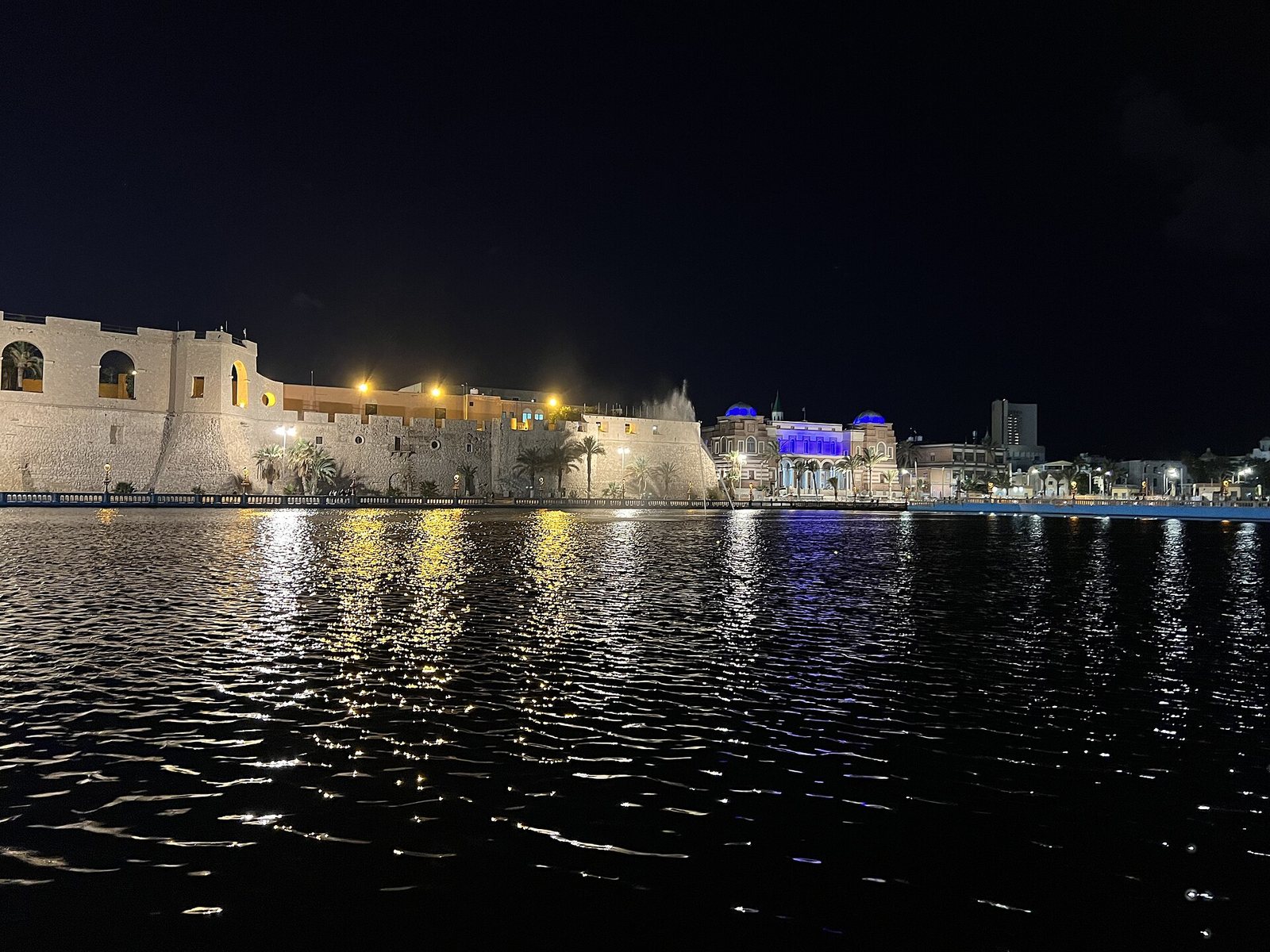
The Red Castle, Assaraya al-Hamra, rises above the old harbour and has layers from Roman, Spanish, Knights of Malta and Ottoman times. It houses the National Museum of Libya, the country's main collection of Roman statues and mosaics, which reopened after years of closure. Check opening hours locally before you go. Below the castle, Martyrs' Square is the city's living room, busy with families, sellers and celebrations, especially during Eid and Ramadan nights.
Neighbourhoods
- **City centre and the waterfront**: the Corniche, Martyrs' Square and the big seafront hotels.
- **Dahra**: an older central district with Italian era buildings and galleries.
- **Hay al-Andalus and Gargaresh**: upscale western districts with restaurants, cafés and shopping, lively after dark.
- **Janzour**: the seaside suburb further west, popular for fish restaurants and weekend beaches.
Food
Start the day with sfinz, a fried dough ring often served with an egg, and a strong Libyan macchiato, a habit left from Italian rule. Lunch might be couscous with lamb, sharba libiya soup, or rishda, thin noodles in a tomato sauce. On the coast, grilled fish is chosen by weight and served with spiced rice. In the evening, tea with roasted peanuts and a plate of sweets is the social ritual. Alcohol is illegal in Libya, so nightlife means cafés, ice cream and shisha.
Day trips
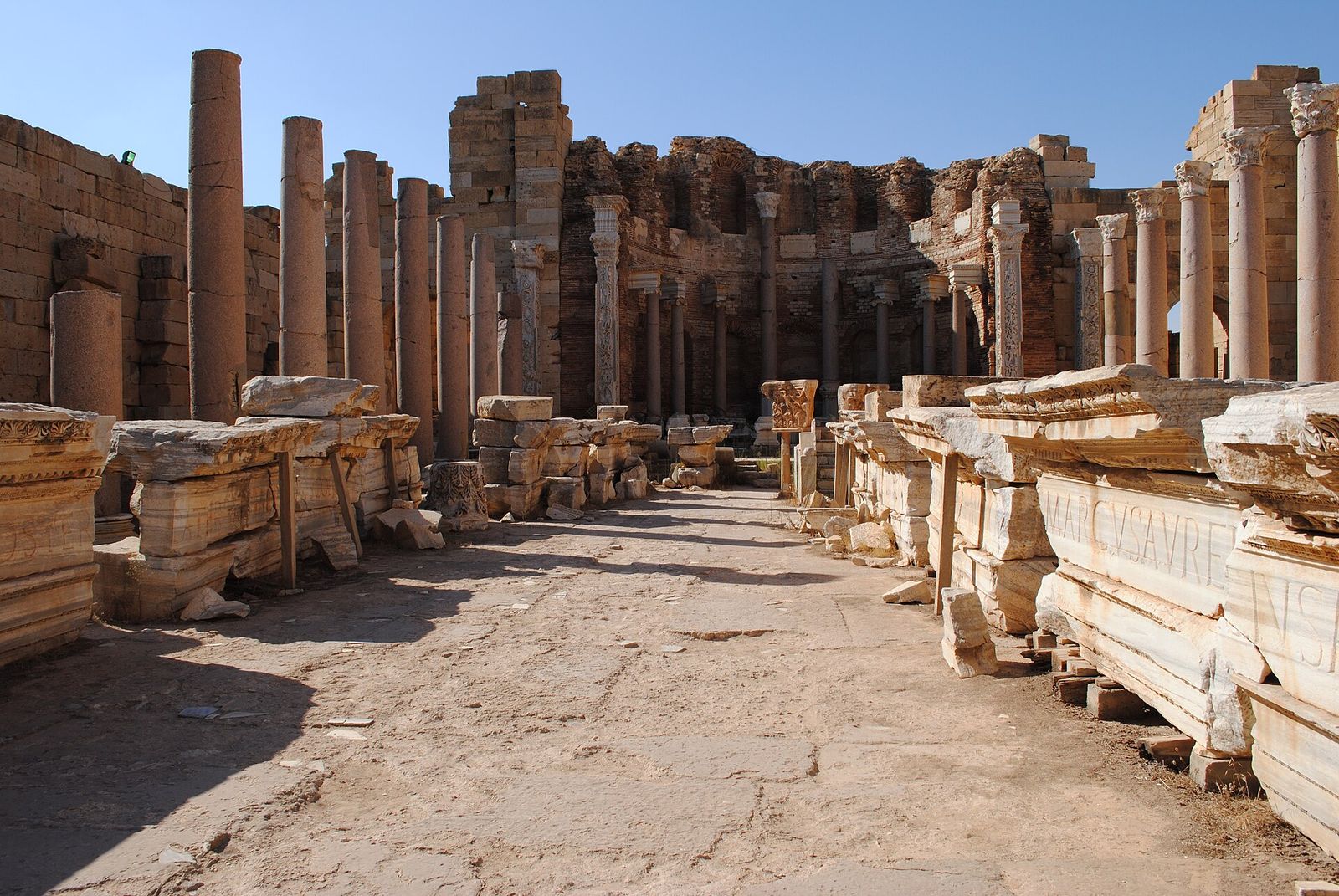
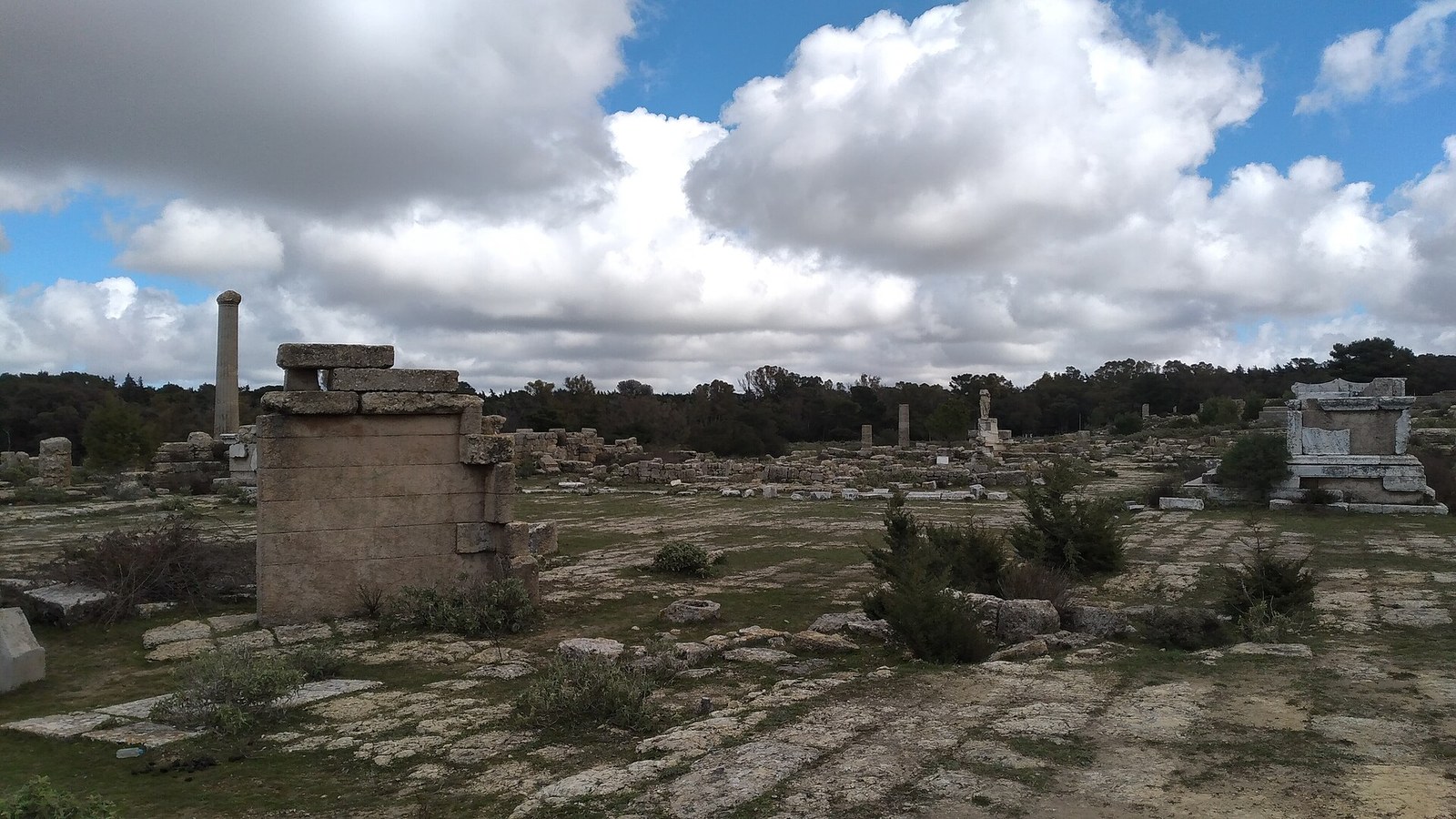
Leptis Magna is around two hours east by road and is the highlight of most trips. Sabratha is about an hour west. Further south, the Nafusa Mountains hold Berber granaries and the underground houses of Gharyan. All need planning with your operator, as routes pass checkpoints and conditions change.
Practical tips
Carry cash, as cards rarely work. Dress modestly, with shoulders and knees covered, and women should carry a scarf for mosques. Ask before photographing people, and never photograph checkpoints, police, military sites or government buildings. Keep a copy of your passport and visa on you, and let your operator know your movements.
Use the Places to visit list for sights and food, and shape your days with the free trip planner.
Questions about Tripoli
Is Tripoli safe for tourists right now?
Western governments advise against all travel to Libya, including Tripoli, because of clashes between armed groups, crime and kidnapping risk. Visitors who go travel with a licensed operator, avoid demonstrations and keep plans flexible.
Where should I stay in Tripoli?
Most visitors stay in the large seafront hotels near the medina and Martyrs' Square. Your operator will usually recommend or book a hotel it trusts.
How many days do I need in Tripoli?
Two or three days for the medina, the Red Castle and the seafront, plus a day each for Leptis Magna and Sabratha.
Can I drink alcohol in Tripoli?
No. Alcohol is illegal throughout Libya. Social life centres on cafés, tea and family meals.
Facts checked . Fees, schedules and entry rules change, so always confirm the latest with the official source.