At a glance
- Best for
- Second World War history, port life, sunsets
- Time needed
- Half a day to a full day
- Getting there
- Minibus or taxi across the causeway from Bairiki
- When to visit
- Mornings are cooler; November marks the battle anniversary
- Language
- Gilbertese and English
- Good to know
- Relics sit beside homes; ask before walking through yards
The Battle of Tarawa
In 1943 Betio was a heavily fortified Japanese base, ringed with bunkers and coastal guns and only about three kilometres long. On 20 November, United States Marines began landing across the reef. A low tide left many landing craft stranded on the reef, and men had to wade hundreds of metres under fire. In about three days of fighting, thousands of Japanese troops, Korean labourers and American Marines died. Many I-Kiribati had been forced to leave or work for the occupying forces, and the battle shaped the islands for generations.
What you can see
Betio is small enough to explore on foot or by taxi in a few hours, ideally with a local guide who knows where the relics are hidden among homes.
- **Coastal defence guns** at **Temakin Point** and elsewhere, huge naval guns that still point out to sea.
- The **Japanese command bunker**, a thick concrete structure scarred by shellfire, near the centre of the islet.
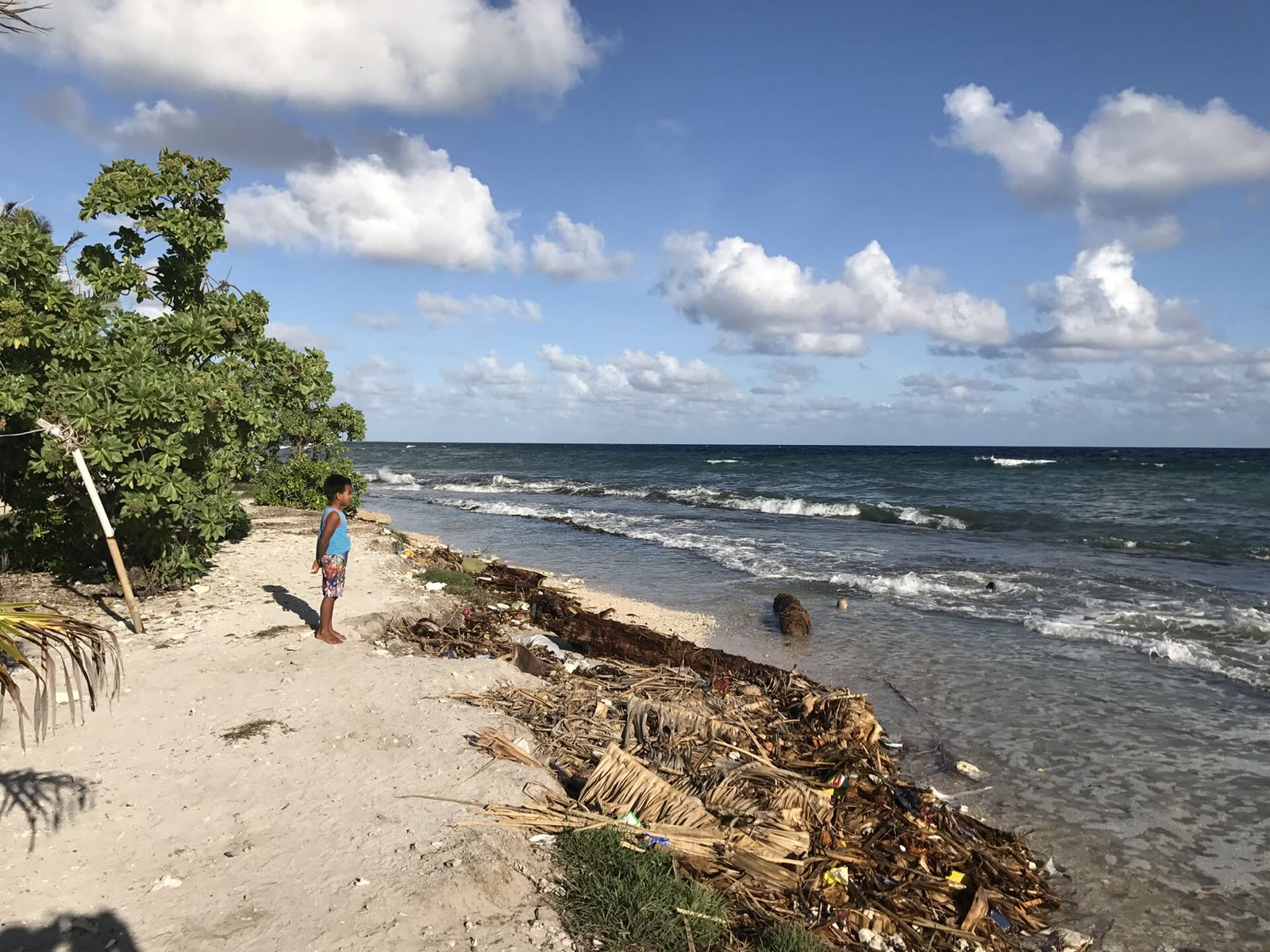
- **Red Beach**, the landing beaches on the lagoon side, now quiet sand where children play.
- **Pillboxes and smaller bunkers** scattered around the shoreline.
- **Wrecks on the reef**, including amphibious tractors and landing craft, visible at low tide.
- **Memorials** to the American, Japanese, Korean and I-Kiribati dead.
Remains of service members are still occasionally found during construction, and recovery teams have worked here in recent years. Treat every site as a war grave: be quiet, respectful and never take souvenirs.
Port life
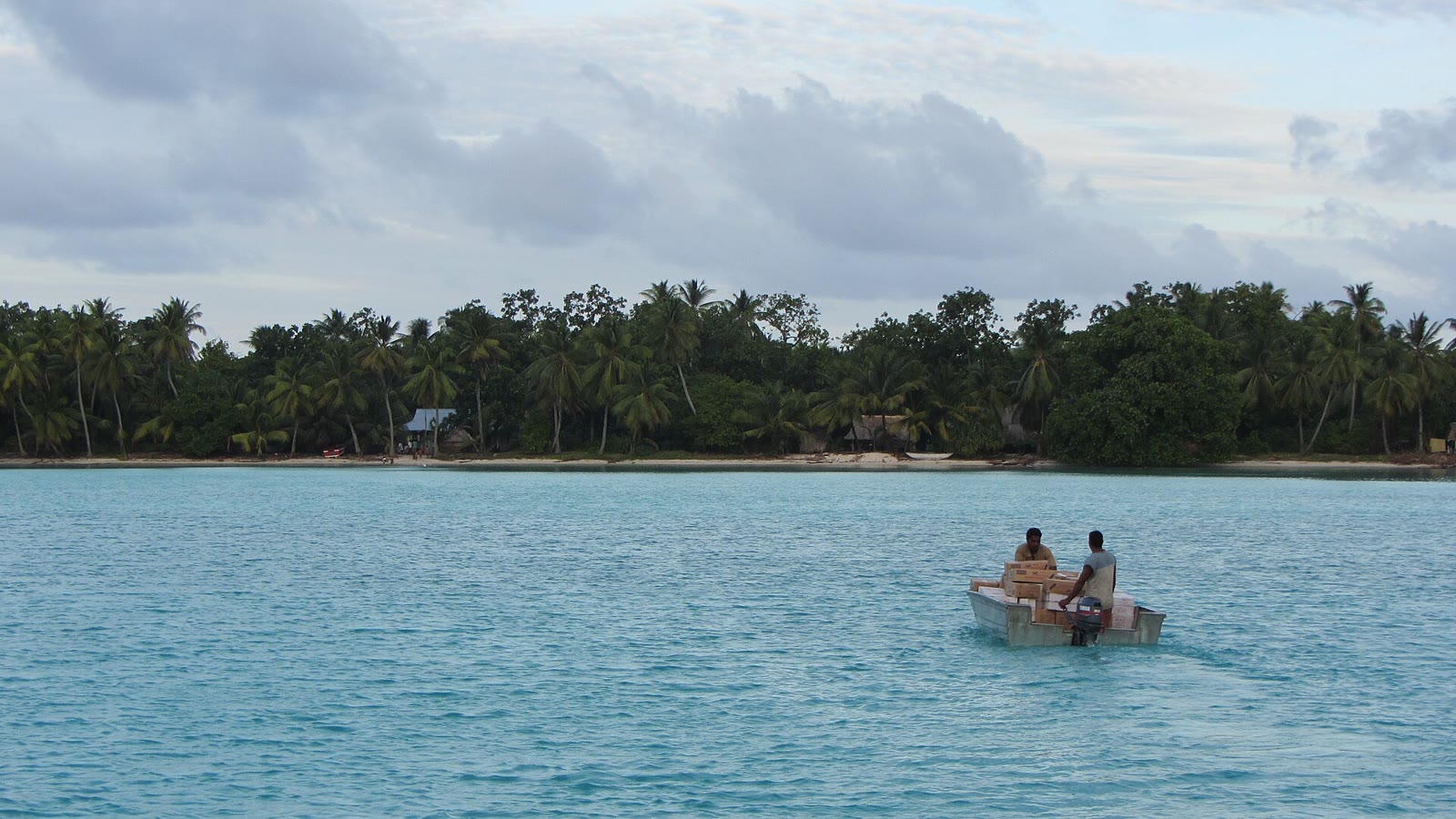
Betio is also the working heart of Kiribati. Fishing boats, cargo ships and inter-island vessels crowd the port, and the morning fish landings bring skipjack, yellowfin and reef fish ashore. Small general stores, takeaways and hot food stalls cater to dock workers and are an easy, cheap place for lunch.
Getting there
From Bairiki, the long **Betio Causeway** carries the main road across the channel. Minibuses marked for Betio run all day. The causeway itself is a good spot to watch the tide racing through.
When to visit
Go in the morning, when it is cooler and the light is good for photos, and check the tide table if you want to see the reef wrecks. The anniversary of the battle in November brings commemorations, sometimes with visiting veterans' families and officials.
A short suggested route
Start at the causeway in the cool of the morning and head for the **coastal guns** at Temakin Point, then walk to the **command bunker** in the centre of the islet. Continue to **Red Beach** on the lagoon side, where the first waves came ashore, and finish at the memorials. If the tide is low, look out across the reef for the rusting outlines of landing craft. End with fried fish from a stall near the port before heading back to Bairiki. Bring water, a hat and sun cream, as there is little shade.
Respect and safety
Betio is crowded and poor in places, so dress modestly and ask before photographing people or homes. Some relics stand in family yards: ask permission before walking in. Dogs can be territorial, so walk with a local or carry on calmly if one approaches. Stay alert near the port, keep valuables close and avoid wandering alone late at night.
Making the most of it
Combine Betio with a morning in Bairiki and an afternoon at the national museum in Bikenibeu for a full day of history. Our South Tarawa guide covers the rest of the strip, and the places to visit list names individual sites.
Questions about Betio
Do I need a guide to see the Betio war sites?
Not strictly, but a local guide finds relics hidden among houses, explains the battle and smooths requests to cross family land. Ask your hotel to recommend someone.
How long does it take to see Betio?
Half a day covers the main guns, bunker and beaches. Allow longer if you want to see the reef wrecks at low tide or talk with locals.
Can I take souvenirs from the battlefield?
No. Removing relics is disrespectful, may be illegal, and could disturb human remains. Take photos only.
Is Betio safe to visit?
Yes in daytime with normal care. It is very crowded, so watch your belongings, respect privacy and avoid wandering alone late at night.
Facts checked . Fees, schedules and entry rules change, so always confirm the latest with the official source.