The holy city
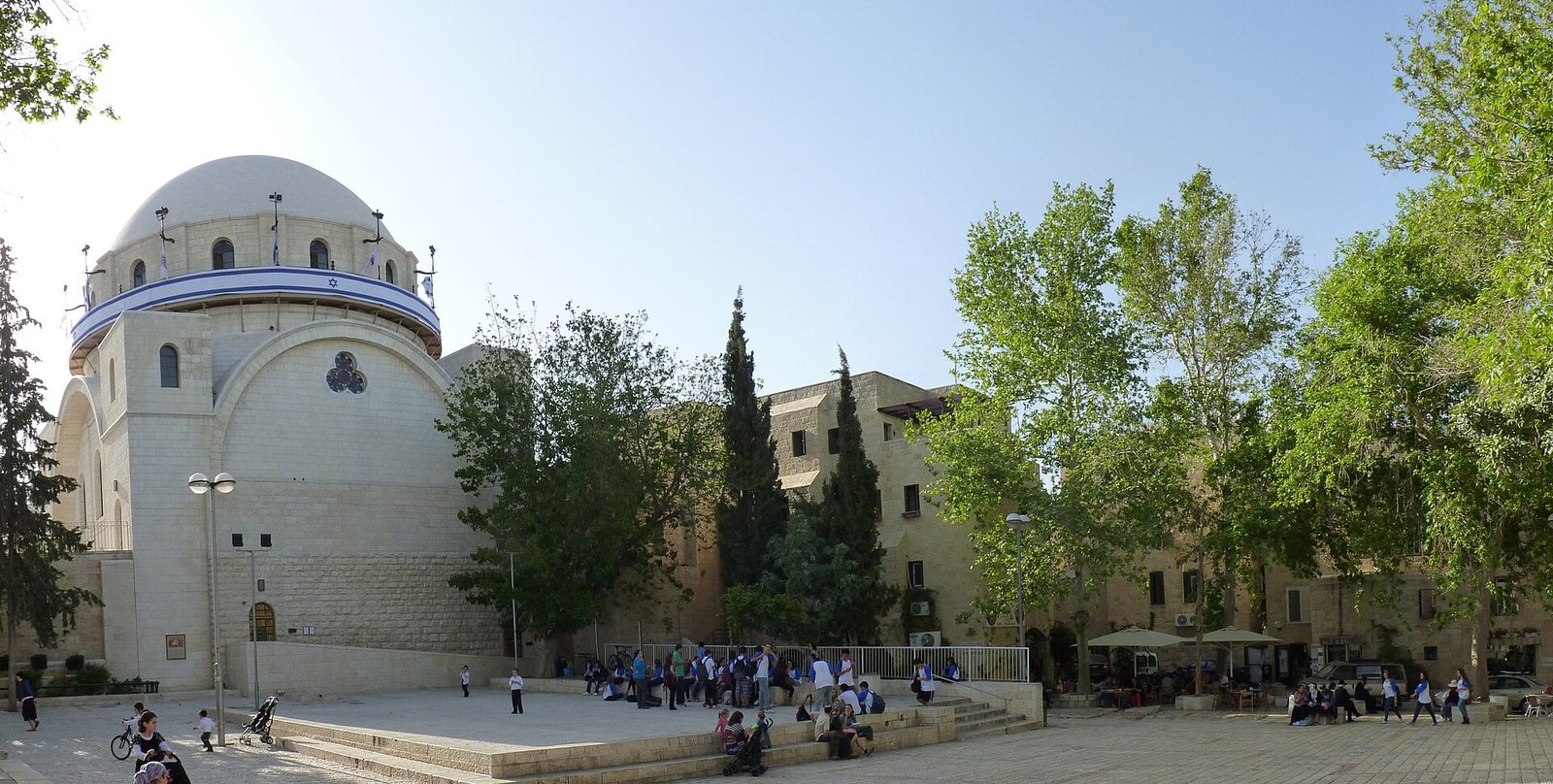
Jerusalem sits in the Judean Hills, its walled Old City holding the Western Wall, the Church of the Holy Sepulchre and the Dome of the Rock within a few minutes' walk of each other. Beyond the walls are the Israel Museum, Yad Vashem, the Mahane Yehuda market and leafy neighbourhoods like the German Colony. It is the heart of most first trips, and deserves at least three days.
The coast
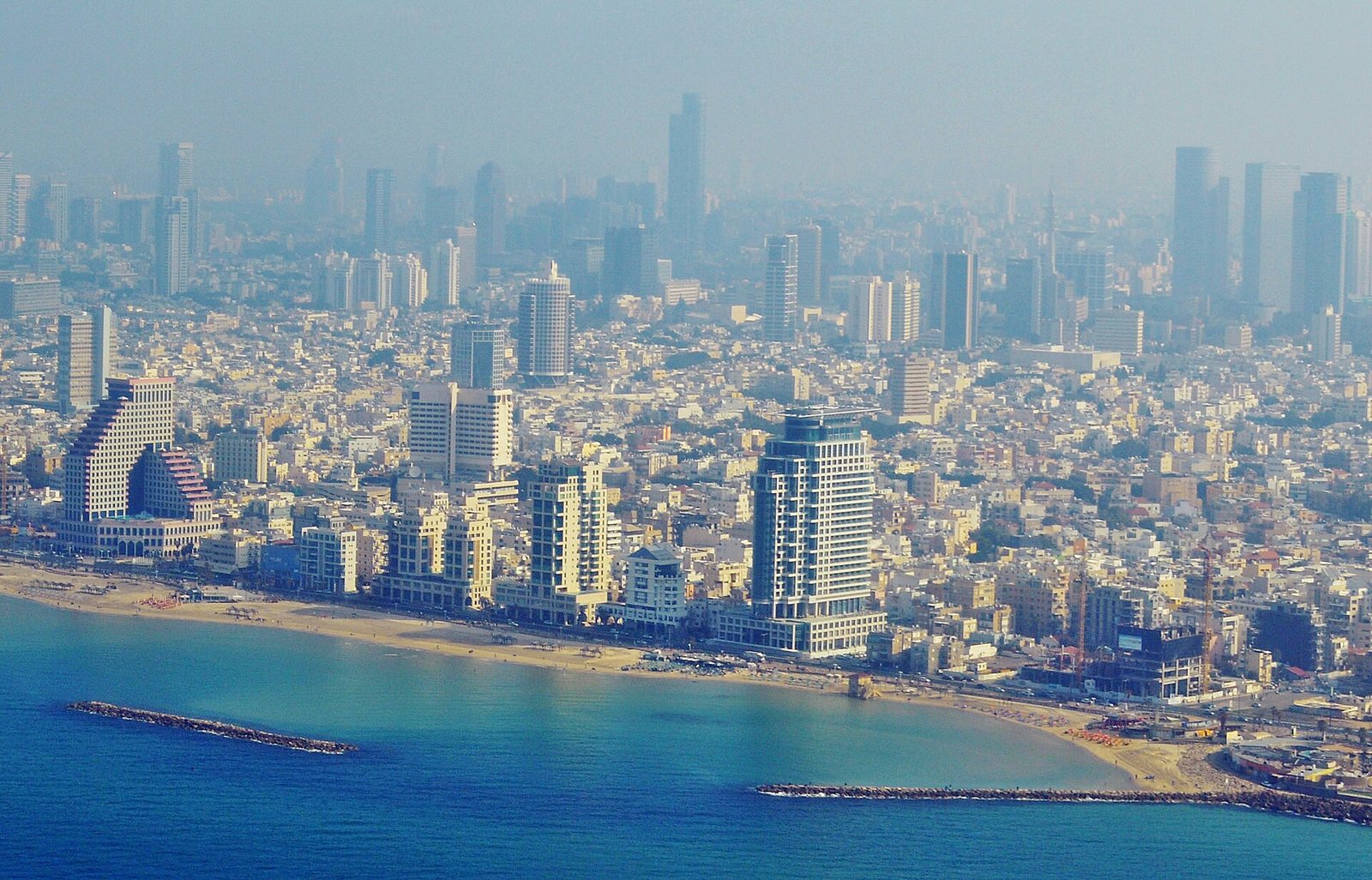
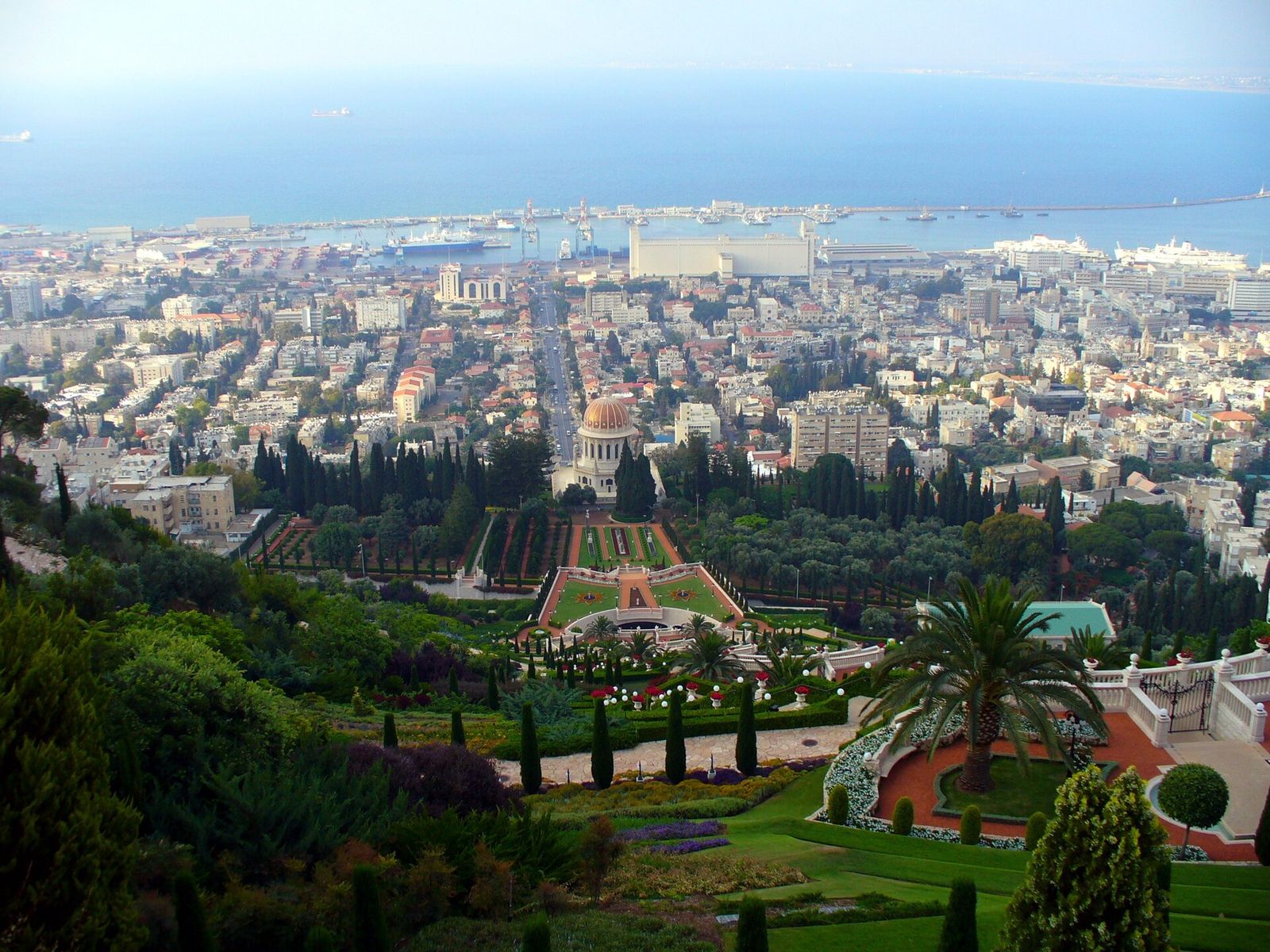
Tel Aviv is the opposite mood: a Mediterranean city of long beaches, Bauhaus buildings, cafes, markets and late nights, with ancient Jaffa at its southern end. Most visitors land at Ben Gurion Airport just outside it. Further north, Haifa climbs the slopes of Mount Carmel, crowned by the terraced Bahai Gardens, with the Crusader port of Akko and the sea grottoes of Rosh HaNikra close by.
The north
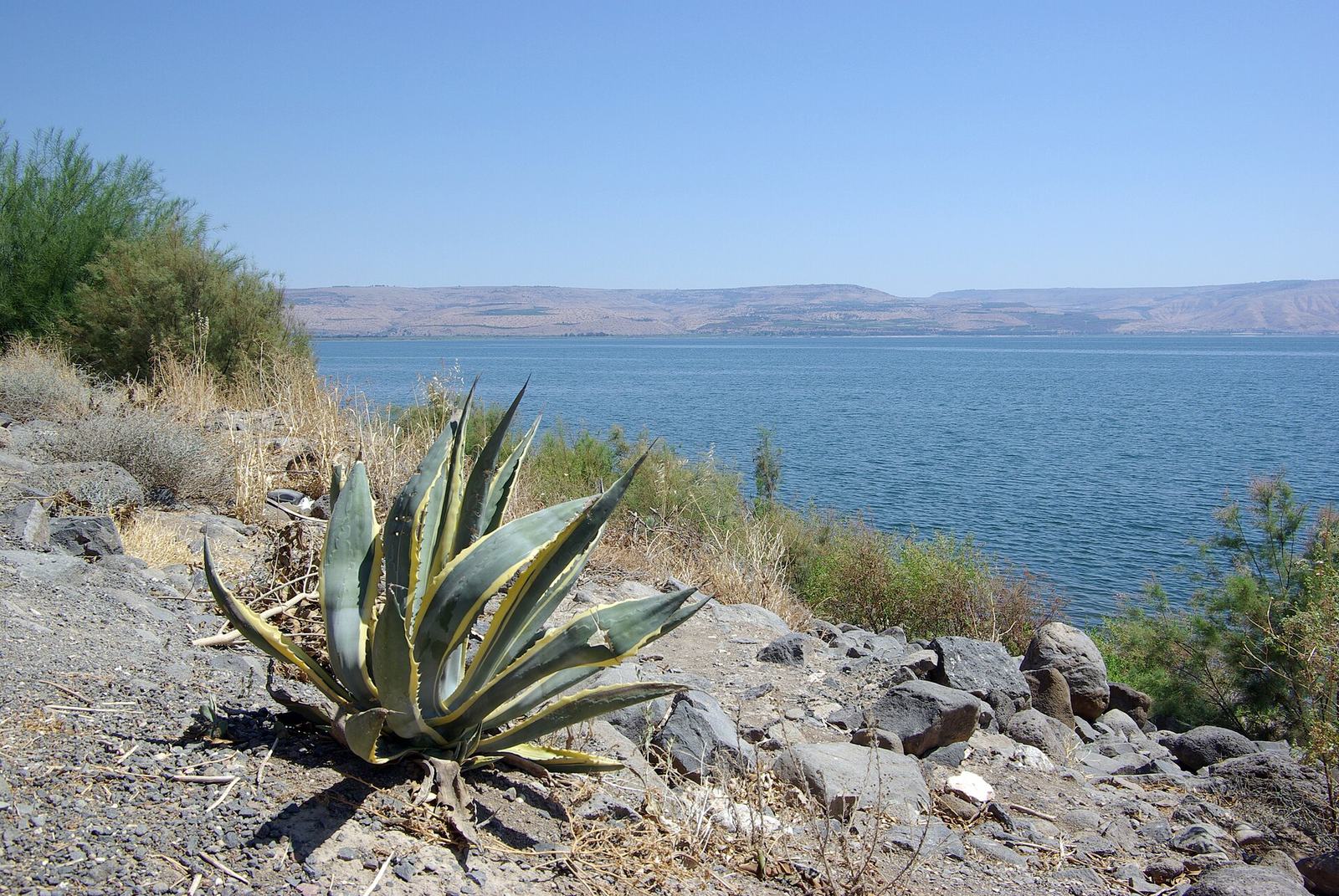
The Sea of Galilee is a freshwater lake ringed by hills, where Christian pilgrims visit Capernaum, Tabgha and the Mount of Beatitudes. Tiberias is the main town, Nazareth is half an hour west, and the Golan Heights rise to the east with wineries, waterfalls and walking trails. Spring wildflowers make it especially beautiful.
The desert
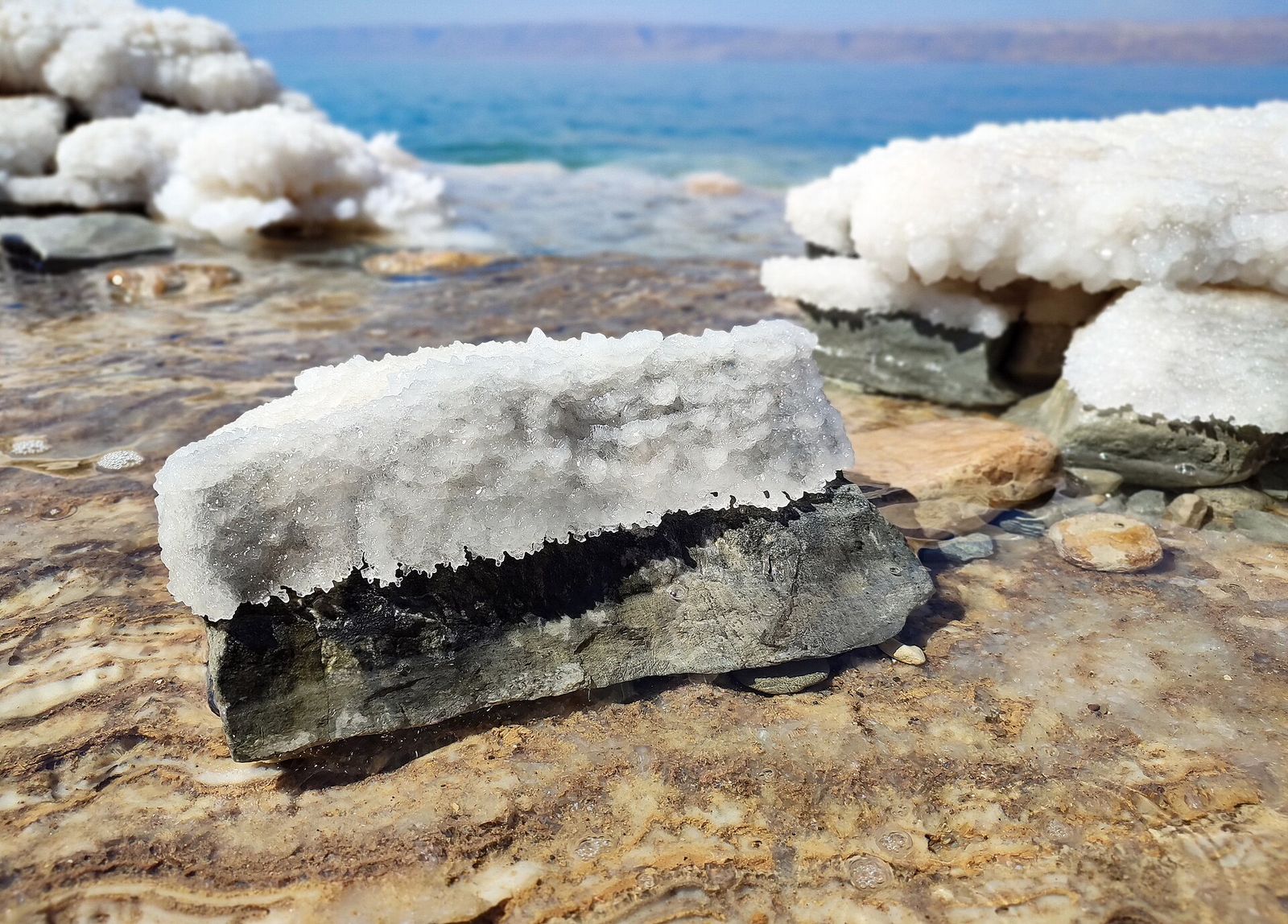
The Dead Sea, the lowest point on land, is where you float in water so salty you cannot sink. Masada, the hilltop fortress of Herod, and the springs of Ein Gedi sit on its western shore. South of it the Negev desert stretches to Eilat on the Red Sea, with craters, camel tracks and coral reefs.
How to combine them
A classic ten days: three nights in Tel Aviv, three or four in Jerusalem with a day trip to the Dead Sea and Masada, and two or three in the Galilee via Haifa. Plan your travel days around Shabbat, from Friday afternoon to Saturday evening, when most public transport stops. Check your government's current travel advice for any area before you go. Browse our places to visit for specific spots, or let our free trip planner shape the route.