At a glance
- Best for
- Floating, spas, desert hiking and history
- Airport
- Ben Gurion Airport (TLV), about two hours by road
- Time needed
- One long day trip, or one to two nights
- Best season
- October to April; summer is extremely hot
- Getting around
- Buses from Jerusalem, tours or taxis
- Good to know
- Never put your face under the water and do not shave the day before
Why go
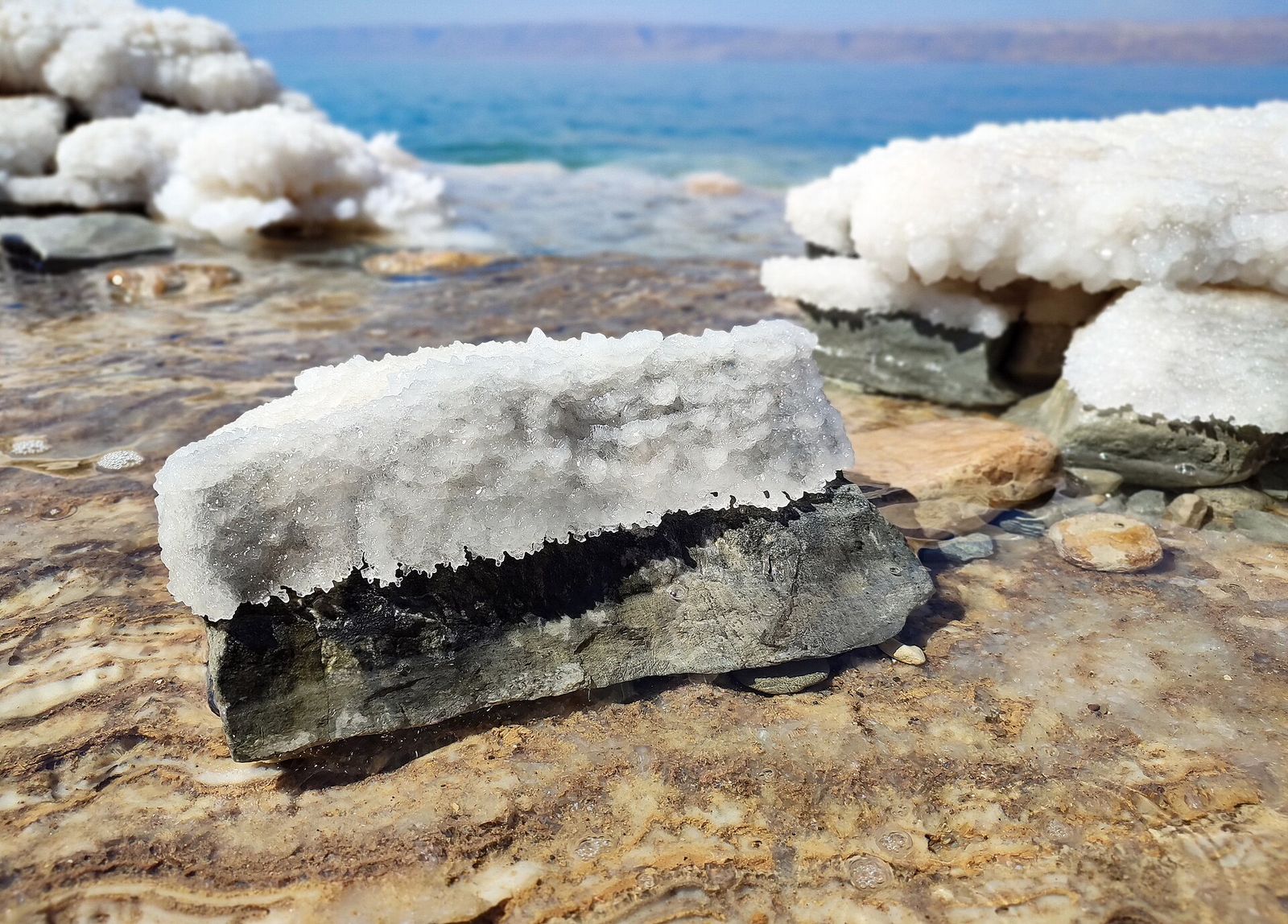
Floating on the Dead Sea is one of those travel experiences that lives up to the hype: you lie back as if in an armchair, read a newspaper if you like, and look across to the mountains of Jordan. Add the dramatic history of Masada and the green oasis of Ein Gedi and you have one of the most memorable days in Israel.
Floating safely
The main public beach is at **Ein Bokek**, the hotel strip in the south, with lifeguards, showers and shade. Walk in slowly, sit back, then lift your feet. Never swim on your front or splash, as the water stings badly in the eyes and is dangerous if swallowed. Do not shave for a day before, and avoid going in with cuts. Stay in for only fifteen to twenty minutes, drink plenty of water and shower afterwards. The northern shore has receded and sinkholes have formed, so use official beaches only and never wander off marked paths.
Masada
**Masada** is a fortress built by Herod the Great on a flat-topped mountain above the sea, where Jewish rebels made a last stand against Rome around the year 73. It is a UNESCO World Heritage Site. Walk up the **Snake Path** before dawn to watch the sun rise over Jordan, or take the cable car. The sunrise path usually opens about an hour before sunrise; check times with the Israel Nature and Parks Authority. On top are palaces, storerooms, bathhouses and Roman siege ramps. Bring water and a hat, and in summer the hiking trails close early in the day because of the heat.
Ein Gedi
**Ein Gedi Nature Reserve** is a desert oasis where springs feed waterfalls and pools in two canyons, **Nahal David** and **Nahal Arugot**. Ibex and rock hyraxes are often seen near the trails. The easy walk to **David's Waterfall** suits families. The nearby **Ein Gedi Botanical Garden** in the kibbutz grows plants from around the world. Entry to the last trails closes in the afternoon.
Spas and mud
Ein Bokek's hotels have spas with mud wraps and sulphur pools, and many sell day passes. Dead Sea cosmetic brands are sold everywhere, including at the **Ahava** visitor centre at Mitzpe Shalem.
More to see
**Qumran**, where the Dead Sea Scrolls were found, is at the northern end; it lies in the West Bank, so read travel advice first. The **Judean Desert** has dramatic canyons, and the town of **Arad** is a gateway to the Negev. South of the sea, the **Ramon Crater** at Mitzpe Ramon is a vast erosion crater with stargazing and camel tours.
Where to stay
Ein Bokek has resort hotels on the beach. Kibbutz Ein Gedi has a garden hotel, and **Masada** has a youth hostel at the foot of the mountain, ideal for the sunrise climb. Many people simply day trip from Jerusalem.
Getting there and around
Egged buses run from Jerusalem's central bus station along the shore to Ein Gedi, Masada and Ein Bokek, roughly an hour and a half to two hours. They are infrequent, so check times and allow for Shabbat. Tours from Jerusalem and Tel Aviv combine Masada, Ein Gedi and a float.
Practical tips
The heat is serious: from May to September temperatures are extreme, so go early and drink constantly. Bring water shoes for the salty, rocky shore and old swimwear, as salt can damage fabric. Find spots in our places to visit list or plan the day with our free trip planner.
Questions about the Dead Sea
Can you visit the Dead Sea as a day trip?
Yes. From Jerusalem it is a long but easy day for Masada, Ein Gedi and a float at Ein Bokek, by tour or bus. From Tel Aviv a tour is more practical.
Is floating in the Dead Sea safe?
Yes, if you follow the rules: never put your face in, do not stay in long, drink water and use beaches with lifeguards. Get out immediately if water reaches your eyes and rinse with fresh water.
What time should I climb Masada?
At dawn, to catch the sunrise and avoid the heat. The Snake Path takes most people forty five minutes to an hour; the cable car starts later in the morning.
When is the best time to visit the Dead Sea?
From October to April, when days are warm rather than scorching. Summer temperatures can be dangerous for hiking.
Facts checked . Fees, schedules and entry rules change, so always confirm the latest with the official source.