At a glance
- Best for
- History, faith, museums, markets and food
- Airport
- Ben Gurion Airport (TLV), about forty minutes by fast train
- Time needed
- Three to four days
- Best season
- March to May and September to November
- Getting around
- Walking, the light rail, buses and taxis
- Good to know
- Dress modestly for holy sites and expect Shabbat closures
Why go
Nowhere else concentrates so much history and faith into so few streets. In a single morning you can hear church bells, the call to prayer and prayers at the Western Wall. Jerusalem is also a city of great food, from the stalls of Mahane Yehuda to Arab bakeries selling sesame ka'ak bread, and of world-class museums. It is busier and more conservative than Tel Aviv, and it rewards slow, curious walking.
The Old City
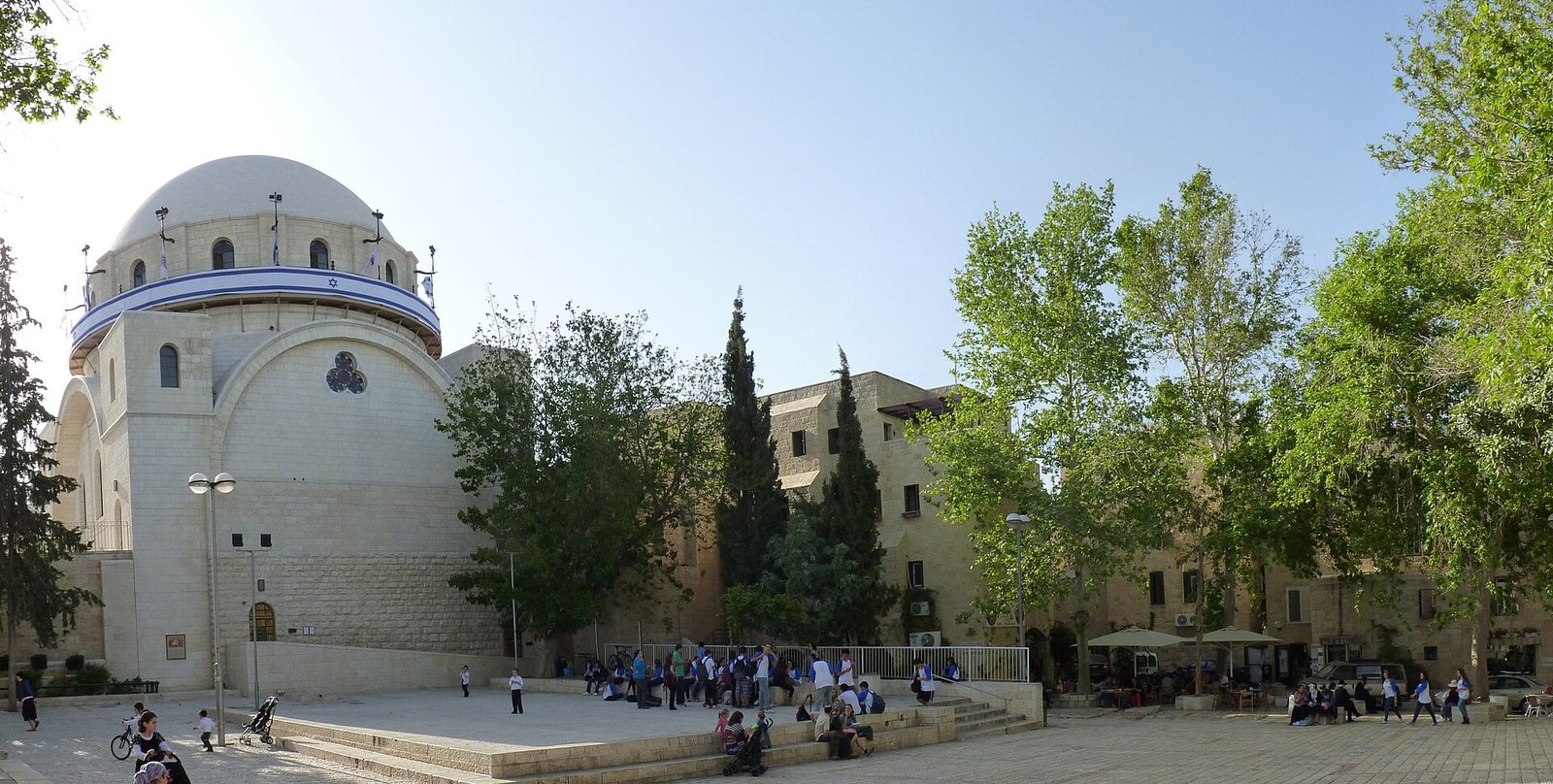
The Old City is divided into four quarters: Jewish, Christian, Muslim and Armenian. Enter by **Jaffa Gate** and climb the **Tower of David**, a citadel museum with a superb night show projected on its walls. In the Christian Quarter, the **Church of the Holy Sepulchre** shelters the traditional sites of the crucifixion and tomb of Jesus. Walk the **Via Dolorosa** through the souk of the Muslim Quarter, then descend to the **Western Wall**, the holiest place where Jews can pray, with the **Western Wall Tunnels** tour beneath it. The **Temple Mount** with the **Dome of the Rock** and **Al Aqsa Mosque** opens to non-Muslim visitors only at limited times, which change, so check on the day. Walk the **Ramparts** for views over rooftops and domes.
Outside the walls
The **Mount of Olives** gives the classic panorama of the city, best early in the morning, and you can walk down past the Garden of Gethsemane. **City of David** reveals the earliest Jerusalem, with the option to wade through **Hezekiah's Tunnel**. The **Israel Museum** holds the Dead Sea Scrolls in the Shrine of the Book and a large model of the city in the Second Temple period. **Yad Vashem**, the national Holocaust memorial, is moving and essential; allow half a day.
Neighbourhoods and food
**Mahane Yehuda** market, the shuk, is lively by day and turns into a bar street at night. **Nachlaot** is a maze of small lanes next to it. The **German Colony** and **Emek Refaim** street have cafes and restaurants in old Templer houses, and the **First Station** is a restored railway station with food and events. Try hummus, shakshuka, knafeh in the Muslim Quarter, and the Jerusalem mixed grill, me'orav yerushalmi.
Where to stay
Stay near the city centre or Mamilla to walk to the Old City and the light rail. The German Colony is quieter and residential. Inside the Old City there are guesthouses and Christian hospices with great atmosphere and simple rooms. East Jerusalem has Palestinian-run hotels near the Damascus Gate.
Getting there and around
The fast train from Ben Gurion Airport reaches Jerusalem's Yitzhak Navon station in about twenty five minutes, and runs on to Tel Aviv. The light rail Red Line runs along Jaffa Road past the centre and the market. Inside the Old City everything is on foot, with stone steps, so wear good shoes. Buses and the train stop on Shabbat, when Arab-run taxis and buses in East Jerusalem still run.
Practical tips
Dress modestly at holy sites, covering shoulders and knees; scarves help. Expect security checks at the Western Wall and in malls. Many Jewish-run businesses close from Friday afternoon to Saturday night, while Christian and Muslim areas keep different rhythms, with Friday quiet in Muslim areas and Sunday in Christian ones. Tension can rise around religious holidays and on Fridays, so check your government's advice and local news. Plan the city with our places to visit list.
Questions about Jerusalem
How many days do I need in Jerusalem?
Three days covers the Old City, the Mount of Olives, the Israel Museum and Yad Vashem. Four lets you add a day trip to the Dead Sea and Masada or Bethlehem, subject to current travel advice.
Can I visit the Temple Mount?
Non-Muslim visitors can enter at limited times through the Mughrabi Gate near the Western Wall, but hours change and access can close at short notice. Dress modestly and do not bring religious items.
What should I wear in Jerusalem?
Cover your shoulders and knees for churches, mosques and the Western Wall. Light, loose clothes work well in summer, and you will want a warm layer for cold winter evenings.
Is Jerusalem open on Shabbat?
The Old City, Christian sites and many Arab-run shops stay open, but most Jewish-run shops, the light rail, trains and city buses stop from Friday afternoon until Saturday night.
Facts checked . Fees, schedules and entry rules change, so always confirm the latest with the official source.