At a glance
- Best for
- Museums, culture, cafés and mountain views
- Airport
- Sulaymaniyah International Airport (ISU)
- Time needed
- Two to three days
- Best season
- March to May and September to November
- Languages
- Kurdish (Sorani), Arabic, some English
- Getting around
- Taxis, ride-hailing apps and shared minibuses
Why visit Sulaymaniyah
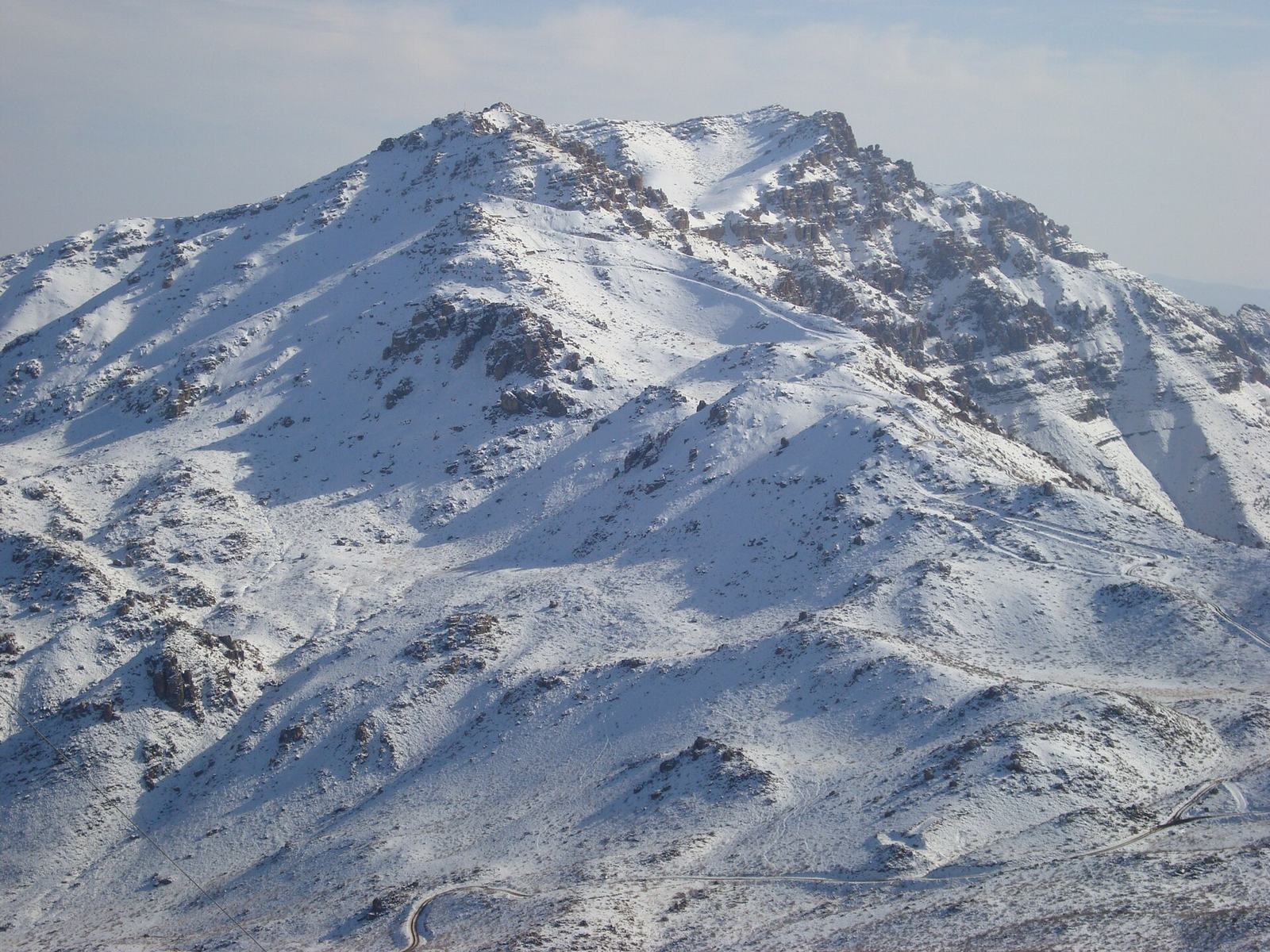
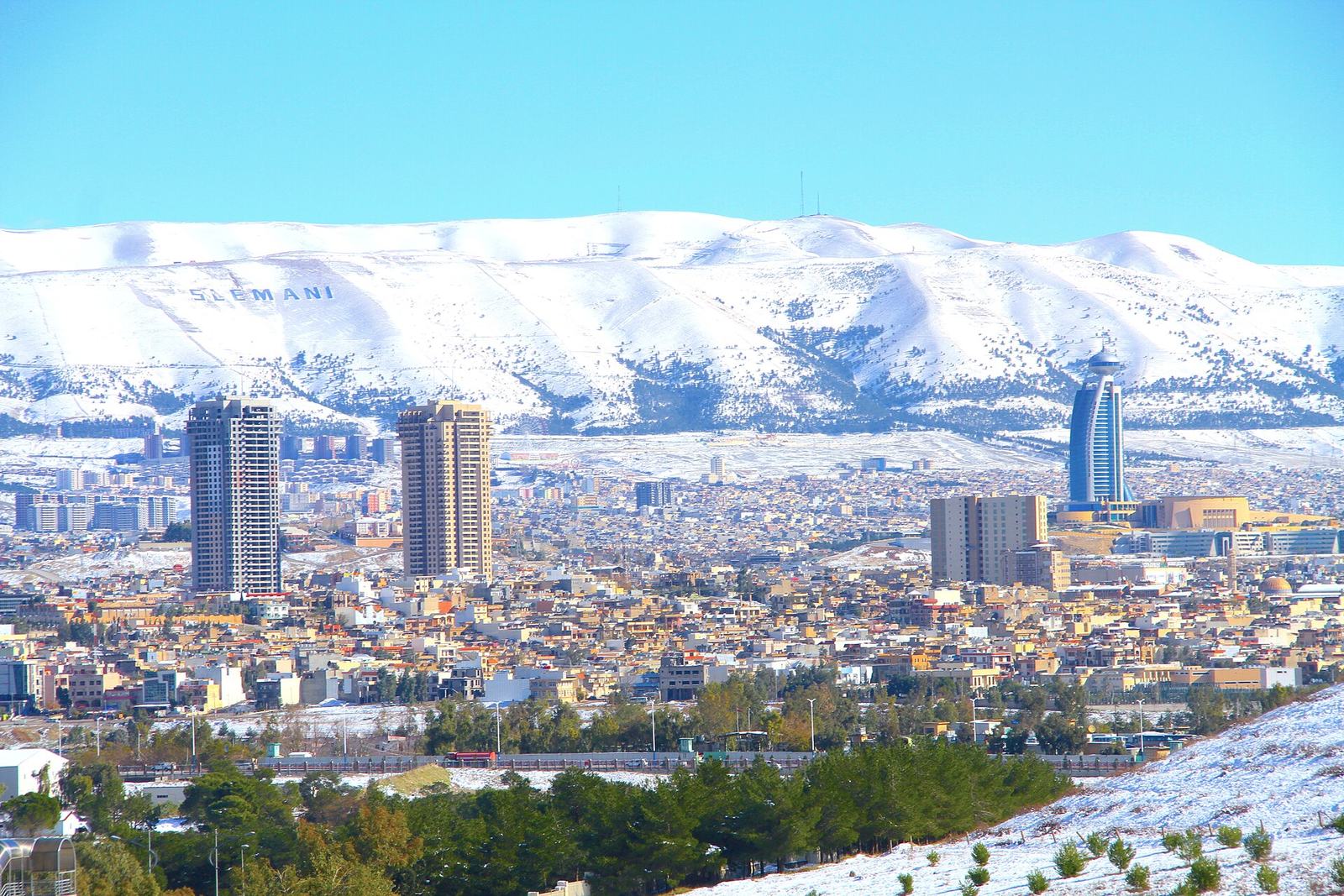
Sulaymaniyah is where you understand modern Kurdish history. Its museums tell hard stories honestly, its bazaar is one of the best in the region, and the mountains rise straight from the edge of town. The pace is relaxed, the air is cooler than in Baghdad, and evenings on the hillsides are a local ritual.
Amna Suraka
The **Amna Suraka**, or Red Security building, was a prison and interrogation centre of the Baath regime. Today it is a museum. The bullet scarred walls, cells and the Hall of Mirrors, with a shard of glass for every victim of the Anfal campaign, are deeply moving. Allow two hours and go with an open heart.
The Slemani Museum and the old city
The **Slemani Museum** holds the second largest collection of antiquities in Iraq, from prehistoric tools to Assyrian and Islamic objects. Afterwards, walk to the **Grand Mosque** and the covered **bazaar**, a maze of spice, fabric, fruit and tea stalls. **Salim Street** is the main shopping street, busy with families in the evening.
Parks and the mountain
**Azadi Park**, a former military base, is now the city's largest park. For views, drive or take a taxi up **Goizha** mountain, where locals gather at viewpoints and cafés at sunset, or visit the hillside parks on the road towards **Chavi Land**, an amusement park with a cable car.
Day trips
**Dukan Lake**, about an hour away, is a reservoir surrounded by hills, popular for picnics and boat trips. The **Ahmadawa** waterfall and the **Halabja** area lie to the south east. In Halabja, the **Halabja Monument** remembers the chemical attack of March 1988 that killed thousands of civilians. It is a quiet, important visit. Check current advice for areas close to the Iranian border.
Food and cafés
Sulaymaniyah has a strong café culture, with traditional tea houses in the bazaar and modern coffee shops along the main roads. Try kubba, rice with beans, grilled kebab, kuftay Kurdish meat dumplings and fresh flatbread. Local honey and dried fruit from the bazaar make good gifts.
Practical tips
Sulaymaniyah is around three hours by road from Erbil, through checkpoints between the two main Kurdish governorates, so carry your passport. Taxis are plentiful and ride-hailing apps work. Winters are cold, with snow on the mountains, and summers are hot but drier than the south. Cash is still essential, although more shops and hotels now take cards.
Where to stay
The best area for first time visitors is around **Salim Street** and the city centre, within walking distance of the bazaar, Slemani Museum and Amna Suraka. Larger hotels with views of the mountains sit on the main roads, while simple, family run hotels near the bazaar are popular with Iraqi travellers and offer a more local experience. In spring and on holidays, book ahead, because visitors from Baghdad and the south arrive in large numbers to enjoy the cooler weather.
Questions about Sulaymaniyah
Is Sulaymaniyah worth visiting?
Yes. It has two of the most important museums in Kurdistan, an excellent bazaar, mountain views and a relaxed, creative atmosphere that many visitors prefer to Erbil.
How do I get from Erbil to Sulaymaniyah?
By shared taxi or private taxi in around three hours, or by flying into Sulaymaniyah's own airport. Expect checkpoints on the way.
Is Amna Suraka suitable for children?
It contains graphic displays about torture and the Anfal campaign. Older teenagers may find it valuable with preparation, but parents should judge carefully.
Is Sulaymaniyah safe?
It is generally calm, but advice for areas near the Iranian border and some reports of cross border strikes mean you should read your government's current advice before visiting.
What is Sulaymaniyah known for?
Its poets, universities, publishers and newspapers, its liberal and creative café culture, its long tradition of political debate, the Amna Suraka museum and its setting among mountains. Many Kurds call it the cultural capital of the region.
Facts checked . Fees, schedules and entry rules change, so always confirm the latest with the official source.