At a glance
- Best for
- History, museums, books, food and family visits
- Airport
- Baghdad International Airport (BGW)
- Time needed
- Three to four days, plus a day for Babylon
- Best season
- November to March
- Languages
- Arabic, with some English in hotels
- Getting around
- Ride-hailing apps and taxis booked through your hotel
Why visit Baghdad
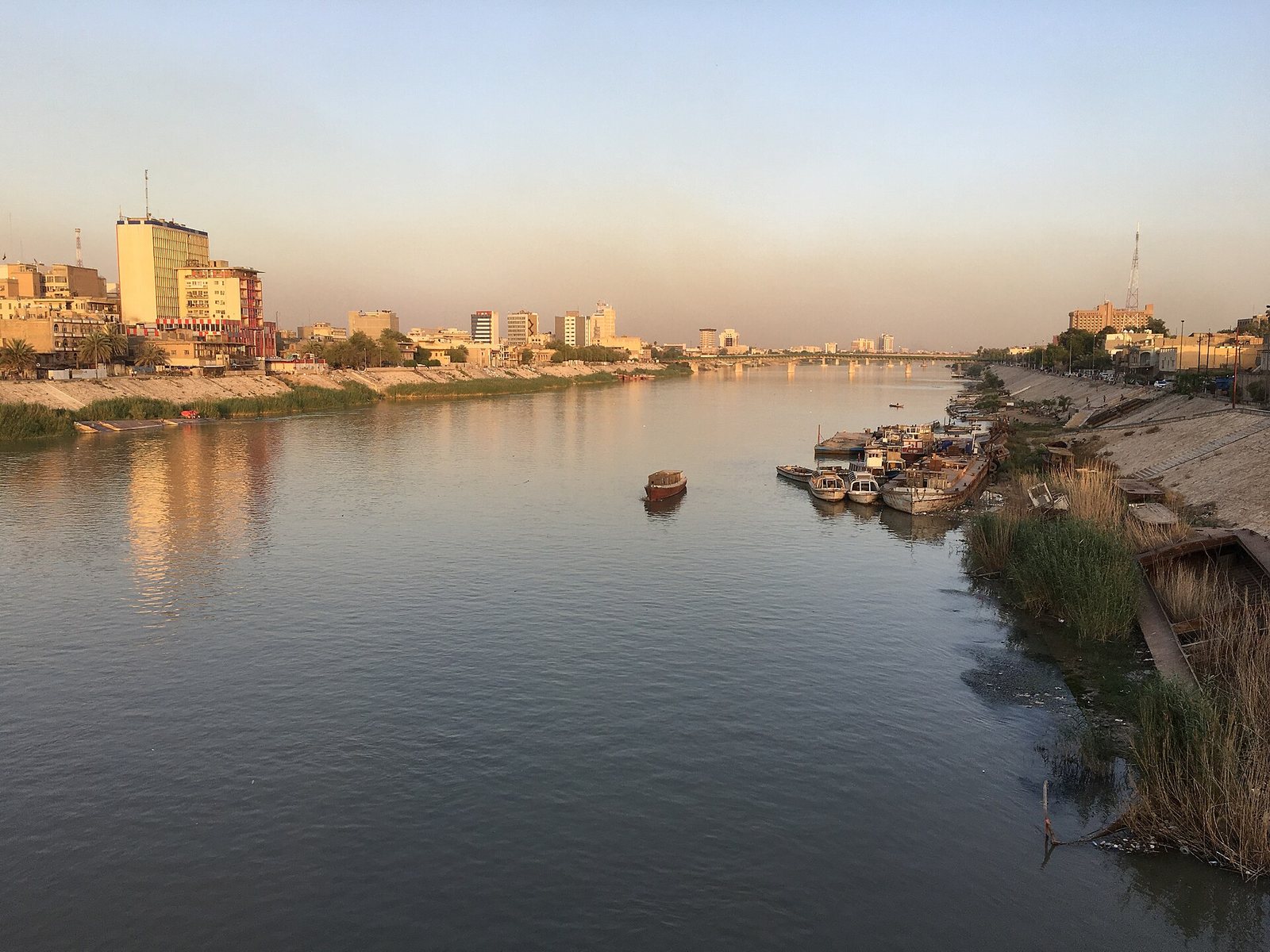
Baghdad is the beating heart of Arab Iraq. It has the country's main airport, the widest choice of hotels and most of the ministries, and for many families in the diaspora it is simply home. In recent years blast walls have come down, cafés and riverside parks have filled up, and young Baghdadis have reclaimed the city's streets in the evenings. It is still a place where security is visible, with checkpoints and armed guards, and where you should follow current advice closely.
The old heart: Rusafa
On the east bank, Rusafa holds the oldest quarters. Start on **Al-Mutanabbi Street**, the historic street of booksellers, which is at its best on Friday mornings when stalls spill onto the pavement and writers, students and families wander between them. At the end of the street is the **Shabandar Café**, a tea house hung with old photographs, and the restored Ottoman **Qishla** with its clock tower and river views. Nearby are the **Al-Mustansiriya School**, a thirteenth century Abbasid college, the copper market of **Souq al-Safafeer** and the huge wholesale bazaar of **Shorja**.
The Iraq Museum and Karkh
Across the river in Karkh, the **Iraq Museum** holds treasures from Sumer, Akkad, Babylon and Assyria, including Assyrian winged bulls and objects recovered after the looting of 2003. Check opening days before going. Further north, the golden domes of the **Kadhimiya shrine** draw pilgrims day and night; non-Muslims may be allowed into parts of the complex if dressed modestly, but follow the guards' instructions. The **Baghdadi Museum** shows everyday life in old Baghdad through life size scenes.
Monuments and parks
The **Martyr's Monument**, a split turquoise dome, and the crossed swords of the **Victory Arch** are the city's most photographed landmarks, although access to some areas varies. **Zawraa Park** and the riverside walks along **Abu Nuwas Street** fill with families on cool evenings, when masgouf, the Iraqi grilled carp, is cooked over open fires.
Food and evenings
Baghdad eats well. Try kahi pastry with gaimar cream for breakfast, kubba, dolma and quzi rice with lamb for lunch, and masgouf by the river at night. **Karrada** is the liveliest district for shops, juice bars and ice cream, while **Mansour** and **Zayouna** have modern malls and cafés.
Day trips
**Babylon**, a UNESCO World Heritage Site, lies around two hours south, with the reconstructed Ishtar Gate walls, the Lion of Babylon and Saddam Hussein's former palace on a mound above the ruins. The great brick arch of **Taq Kasra at Ctesiphon** is closer, south east of the city. Travel outside Baghdad means checkpoints, so carry your passport and visa, and arrange transport through a reputable local tour operator or your hotel.
Staying safe
Avoid demonstrations, which can turn violent, and keep away from government buildings and militia offices. Do not photograph checkpoints or soldiers. Plan longer road journeys in daylight. Read the latest advice before you go, and keep an eye on local news while you are there.
Where to stay
Most visitors stay in **Jadriya**, **Karrada** or **Mansour**. Jadriya and the riverside hotels suit business travellers and first timers, with larger international hotels and easy access to the river. Karrada puts you among shops, juice bars and ice cream parlours, with lively streets in the evening. Mansour is quieter and more residential, close to malls and the western side of the city. Book somewhere with good security and ask the hotel to arrange taxis for your first days.
Questions about Baghdad
Is Baghdad safe for tourists?
Security has improved, and many visitors now spend time in Baghdad without problems, but governments still warn of terrorism, kidnapping and unrest. Read your government's current advice, avoid demonstrations and keep a low profile.
How many days do I need in Baghdad?
Three or four days covers Al-Mutanabbi Street, the Iraq Museum, Kadhimiya, the markets and a riverside masgouf dinner. Add a full day for Babylon.
What is the best day to visit Al-Mutanabbi Street?
Friday morning, when the book market is at its busiest and the Shabandar Café is full. Many shops close in the afternoon.
Can I visit Babylon from Baghdad?
Yes, as a day trip by road of around two hours each way. Go with a local operator or a driver arranged by your hotel, and carry your passport for checkpoints.
What should I wear in Baghdad?
Long trousers and sleeves for men, and loose clothing covering arms and legs for women. Women should carry a headscarf and wear an abaya, often lent at the door, when visiting Kadhimiya and other shrines.
Facts checked . Fees, schedules and entry rules change, so always confirm the latest with the official source.