At a glance
- Best for
- Mountains, waterfalls, villages and sacred sites
- Nearest airport
- Erbil International Airport (EBL)
- Time needed
- Two to four days
- Best season
- April to June and September to October
- Languages
- Kurdish (Kurmanji), Arabic, some English
- Getting around
- Taxis and drivers arranged locally
Why visit Duhok
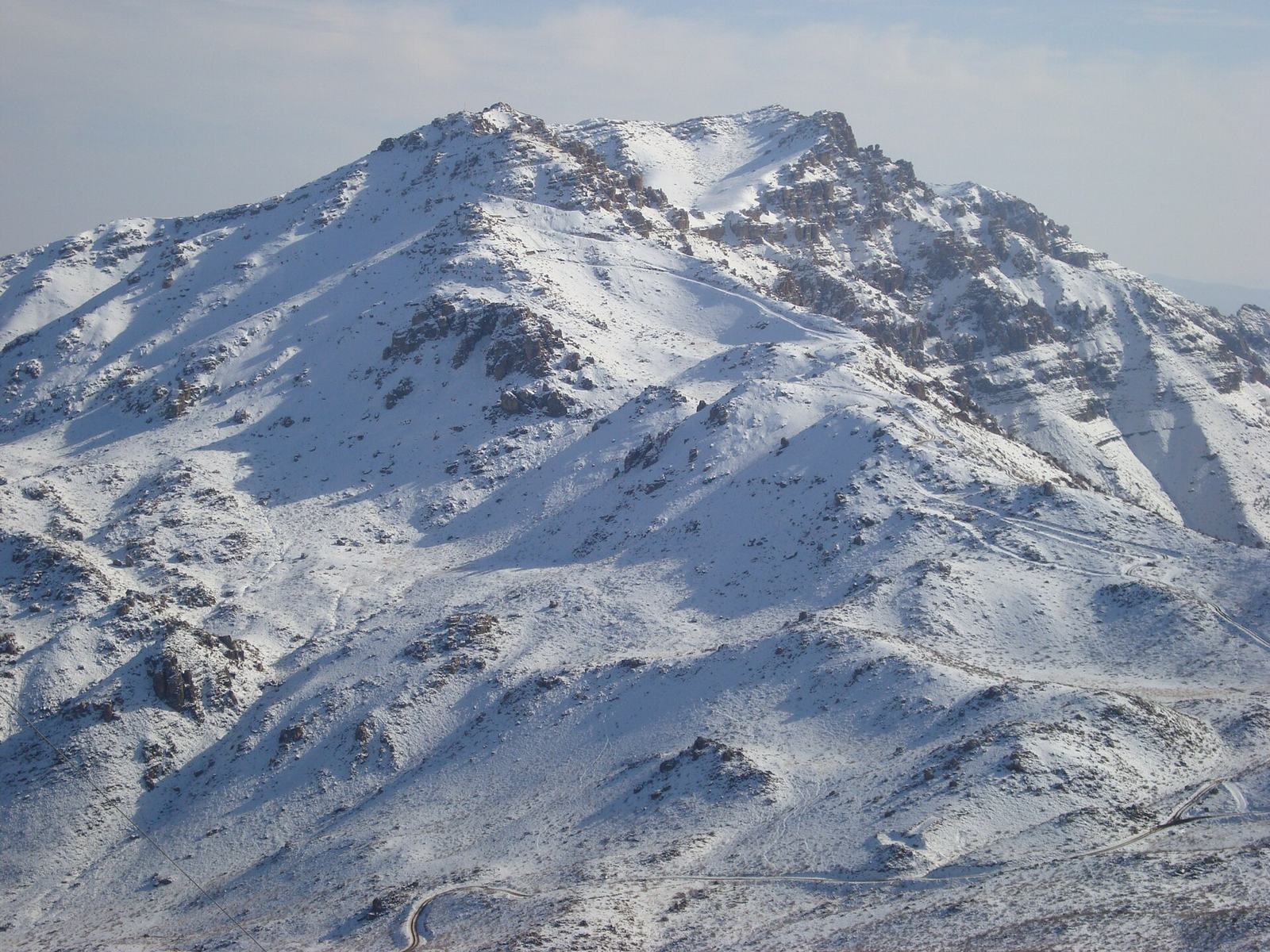
Duhok is the base for the most beautiful mountain landscapes in Iraq. In spring the valleys are green and full of wildflowers; in summer the cooler air draws families from across the country. The region is also home to Assyrian Christians, Yazidis and Kurds, and their villages, monasteries and temples make it one of the most varied corners of the Middle East.
In the city
**Duhok Dam** and its lake on the edge of town are a favourite picnic and evening spot. The central **bazaar** is good for honey, cheese, nuts and Kurdish clothes. Duhok's main roads are lined with grill houses and bakeries, and the city has a growing café scene around its university.
Amedi
**Amedi** (also written Amadiya) is a town built on top of a flat topped mountain, reached by a single road and entered through the old **Badinan Gate**. Its minaret, lanes and views over the valley are unforgettable. The resort area of **Sulav** below it has waterfalls and restaurants, and the road there passes the **Ashawa** waterfall.
Lalish
**Lalish** is the holiest place of the Yazidi faith, a valley of conical white shrines about an hour from Duhok. Visitors are welcome, but you must remove your shoes in the sacred area and should dress modestly. Do not step on thresholds. After the atrocities committed against Yazidis by the Islamic State group in 2014, a visit here carries special weight; be respectful and ask before photographing people.
Zakho and the north
**Zakho**, near the Turkish border crossing at Ibrahim Khalil, is famous for the **Delal Bridge**, an old stone bridge over the Khabur river where locals swim and picnic. The road north towards the border passes through orchards and mountain villages.
Monasteries
Within reach of Duhok are ancient Christian sites, including **Rabban Hormizd Monastery** carved into the cliffs above Alqosh, and **Mar Mattai Monastery** on Mount Maqlub, one of the oldest monasteries in the world. Some lie in disputed areas just outside the Kurdistan Region, so check current advice and local conditions before going.
Safety and practical tips
Parts of the mountains near the Turkish border are affected by Turkish military operations against the PKK, and some areas are closed. Governments advise against travel to some border districts, so check your government's advice and ask locally before hiking. Carry your passport at all times. Distances are short but roads are winding, so allow time.
Where to stay
Most visitors base themselves in **Duhok city**, which has a range of hotels from simple to upscale and easy access to the main sights. In summer, some travellers stay in or near **Amedi** and **Sulav** to wake up among the mountains, where small hotels and family guesthouses cater to Iraqi holidaymakers. **Zakho** works as a stop if you are crossing to or from Turkey. Book ahead for Eid holidays and summer weekends, when rooms fill quickly and roads to the waterfalls are busy with families.
Questions about Duhok
How do I get to Duhok?
Most visitors fly into Erbil and travel by road, which takes around three hours through checkpoints. Some arrive overland from Turkey via the Ibrahim Khalil crossing.
Can tourists visit Lalish?
Yes. Visitors are welcome at the Yazidi temple, but must remove their shoes in the sacred area, dress modestly and behave quietly. Ask before taking photographs.
Is it safe to hike near Duhok?
Some mountain areas near the Turkish border are affected by military operations and old ordnance. Stay on established routes, go with a local guide and check your government's advice first.
When is the best time to visit Duhok?
April to June for green valleys and waterfalls, and September to October for clear, mild weather. Summer weekends are busy with Iraqi families escaping the heat.
What languages are spoken in Duhok?
Kurmanji Kurdish is the main language, which differs from the Sorani spoken in Erbil and Sulaymaniyah. Arabic is widely understood, and Assyrian Neo Aramaic is spoken in Christian villages.
Facts checked . Fees, schedules and entry rules change, so always confirm the latest with the official source.