At a glance
- Best for
- River life, marshes, ancient Sumer and seafood
- Airport
- Basra International Airport (BSR)
- Time needed
- Two to four days with the marshes and Ur
- Best season
- November to March
- Languages
- Arabic
- Getting around
- Taxis, ride-hailing apps and local operators for trips
Why visit Basra
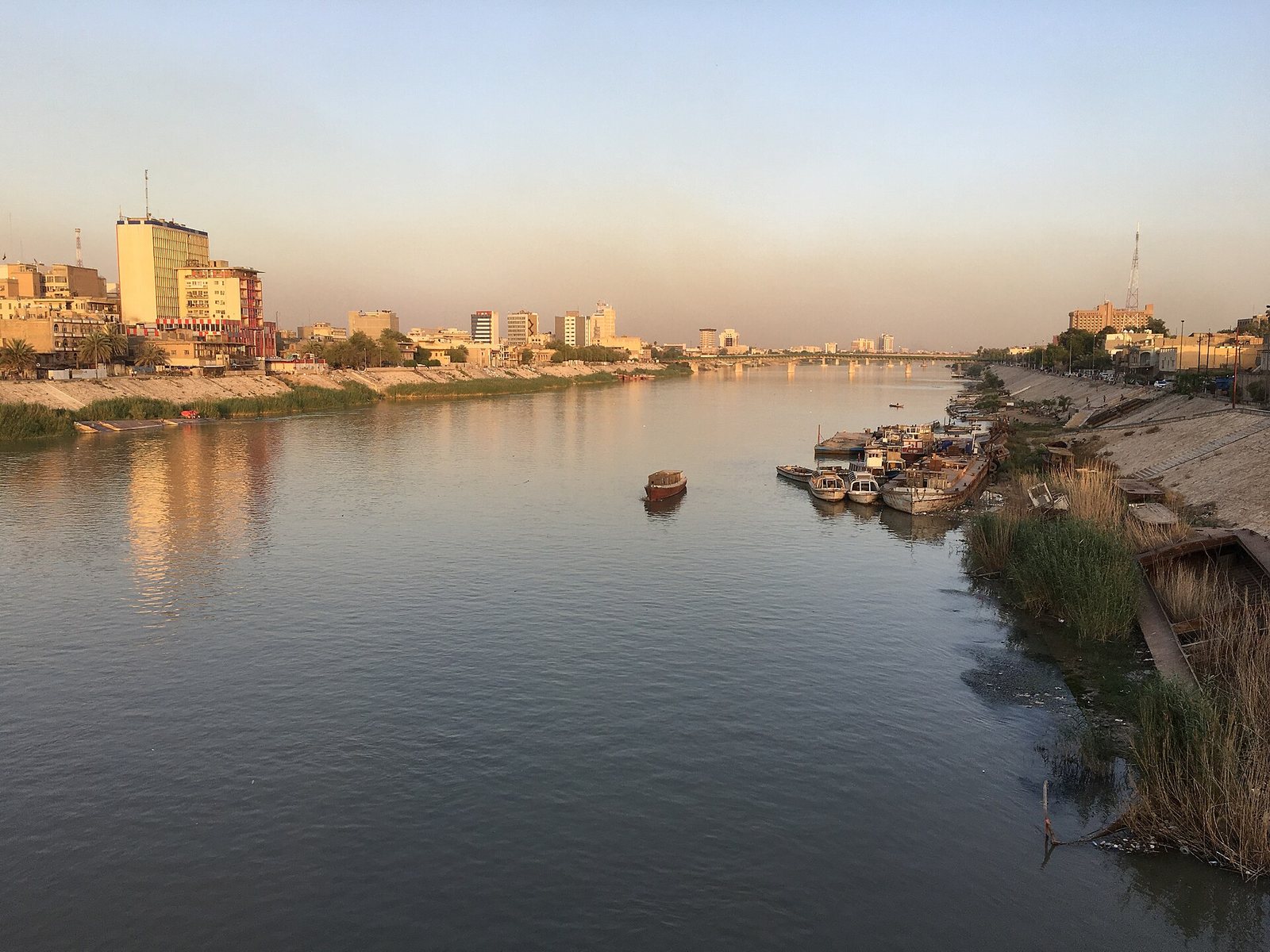
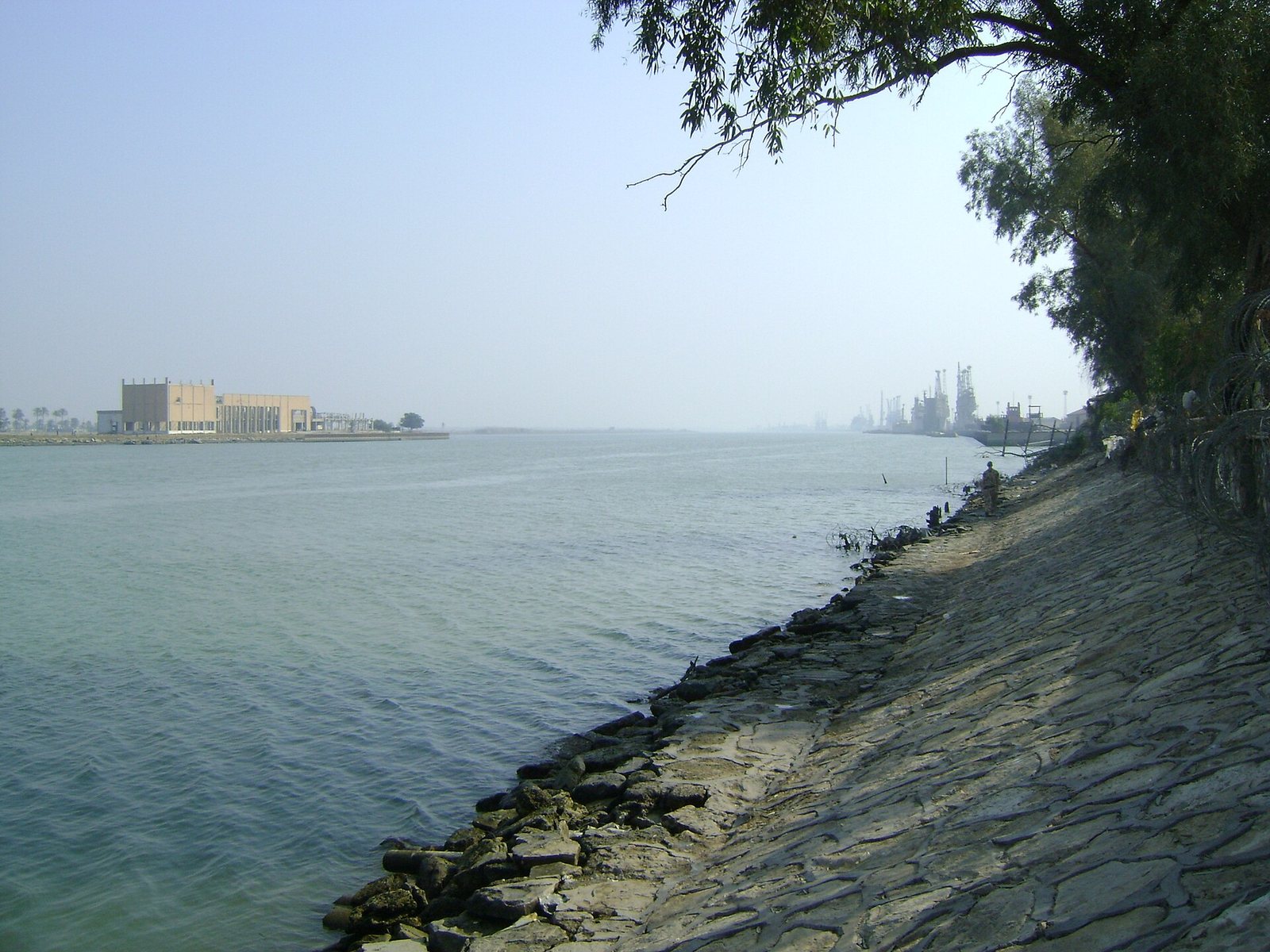
Basra is the gateway to the deep south of Iraq, the land of Sumer, the marsh Arabs and the legendary home of Sinbad. The city itself has a gentle charm in winter, with families strolling along the river and boats crossing the Shatt al-Arab. It is also a major oil hub, so it has decent hotels and flights from the Gulf.
The Corniche and the river
The **Shatt al-Arab Corniche** is the city's living room, especially on winter evenings. Statues of Iraqi poets, including Badr Shakir al-Sayyab, look over the water. Take a short boat trip on the river, and visit **Sinbad Island**, a park in the middle of the Shatt al-Arab.
The Basrah Museum
The **Basrah Museum**, opened in a former presidential palace, displays Sumerian, Babylonian, Assyrian and Islamic antiquities, and was created with support from the British Museum. Check opening hours in advance, as they can change.
Old Basra and the markets
The **Ashar** district holds the old souq, canals and a few surviving shanasheel houses with their carved wooden balconies. The fish and date markets are lively in the mornings. Basra is known for its dates, especially the barhi and sayer varieties, and for seafood grilled with spices.
The Mesopotamian Marshes
The **Ahwar of Southern Iraq**, a UNESCO World Heritage Site, stretch north of Basra towards Chibayish and Nasiriyah. Here the Ma'dan people live among reeds and water buffalo, in villages of reed houses called mudhif. A boat trip through the marshes at dawn is one of the great experiences of the Middle East. Drought and upstream dams have shrunk the marshes in recent years, so ask about water levels before you go.
The Ziggurat of Ur
Near Nasiriyah, a few hours' drive away, the restored **Ziggurat of Ur** rises from the desert. This is the Sumerian city traditionally linked with the prophet Abraham, and the site includes royal tombs and the remains of houses. Pope Francis held an interfaith meeting here in 2021.
Food
Basra's food mixes Iraqi, Gulf and Persian influences. Try masgouf, fish curries, spiced rice, samoon bread and date sweets, and finish with cardamom tea on the Corniche.
Safety and practical tips
Summer in Basra is among the hottest anywhere on earth, often far above forty degrees, so visit between November and March. Tribal disputes, crime and protests occur in the south, and kidnapping is a risk, so read your government's current advice, use reputable local operators for trips into the marshes and keep a low profile. Carry your passport for checkpoints.
Getting there and around
**Basra International Airport** has flights from Baghdad, Erbil and several Gulf and regional hubs. Within the city, taxis and ride-hailing apps are the easiest way around, and most hotels can book a car for the day. For the marshes and Ur, use a reputable local guide who knows the roads, the checkpoints and the families who run boat trips. Allow time: distances in the south are long and roads can be slow. Stay in a hotel with good security near the **Corniche** or in the newer districts.
Questions about Basra
Is Basra safe to visit?
Many governments advise against all but essential travel to Basra province, citing crime, kidnapping, unrest and tribal violence. Read your government's current advice before planning a trip.
How do I visit the Mesopotamian Marshes?
Most visitors go with a local guide from Basra or Nasiriyah to Chibayish, where boats take you through the reeds. Go early in the morning in the cooler months.
Can I visit Ur from Basra?
Yes, as a long day trip by road. Many travellers combine Ur with the marshes and stay a night in Nasiriyah.
When is the best time to visit Basra?
November to March. Summer temperatures are extreme and humidity is high, making sightseeing difficult and potentially dangerous.
What food is Basra famous for?
Dates, especially barhi and sayer, grilled fish and masgouf, spiced fish stews and rice dishes with Gulf influences. Try date syrup with tahini for breakfast.
Facts checked . Fees, schedules and entry rules change, so always confirm the latest with the official source.