At a glance
- Best for
- Museums, bazaars, food and family visits
- Airport
- Imam Khomeini International Airport (IKA)
- Time needed
- Two to three days
- Best season
- April to May and October to November
- Languages
- Persian, with Azerbaijani widely heard
- Getting around
- Metro, ride hailing apps and taxis
Why visit Tehran
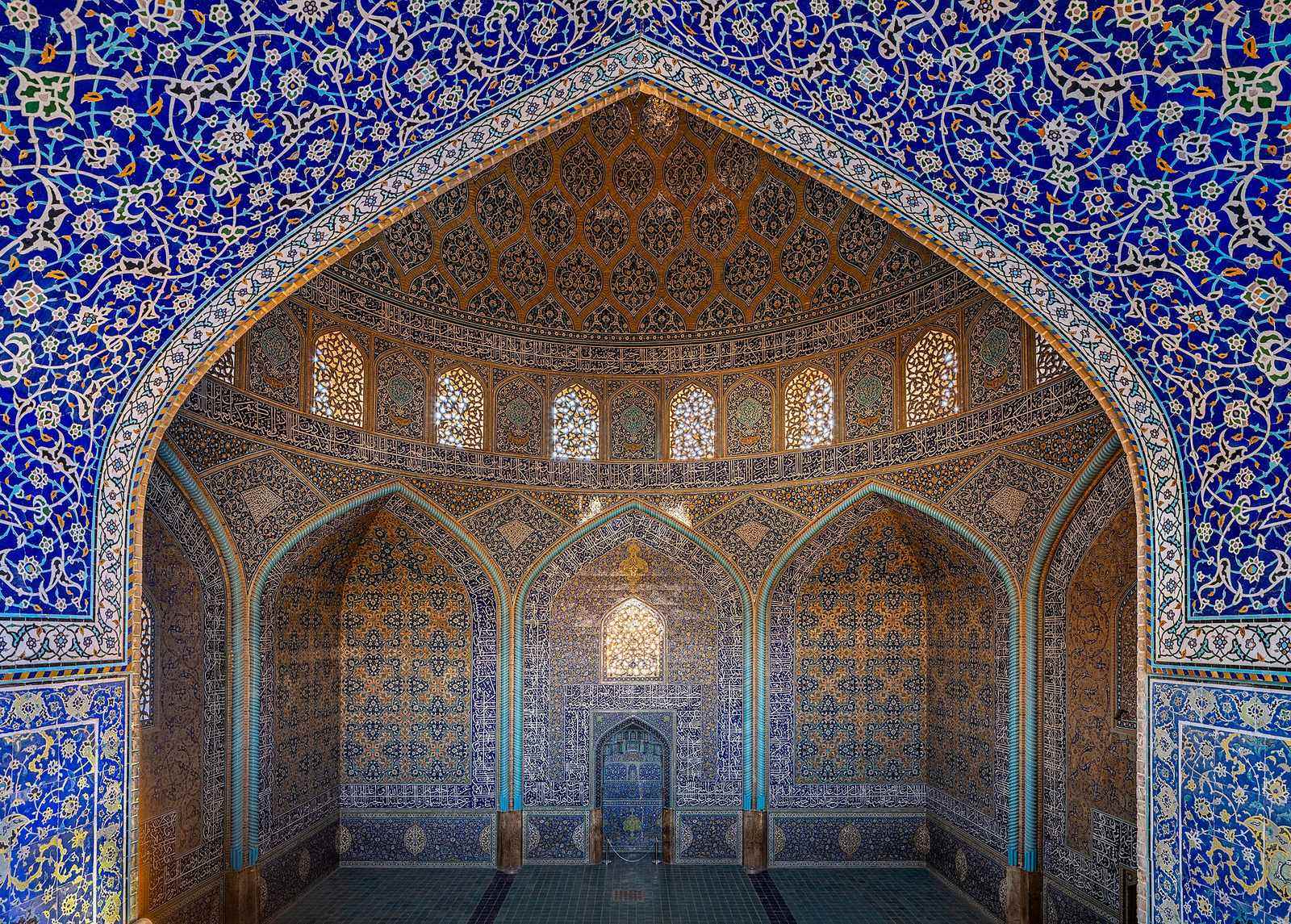
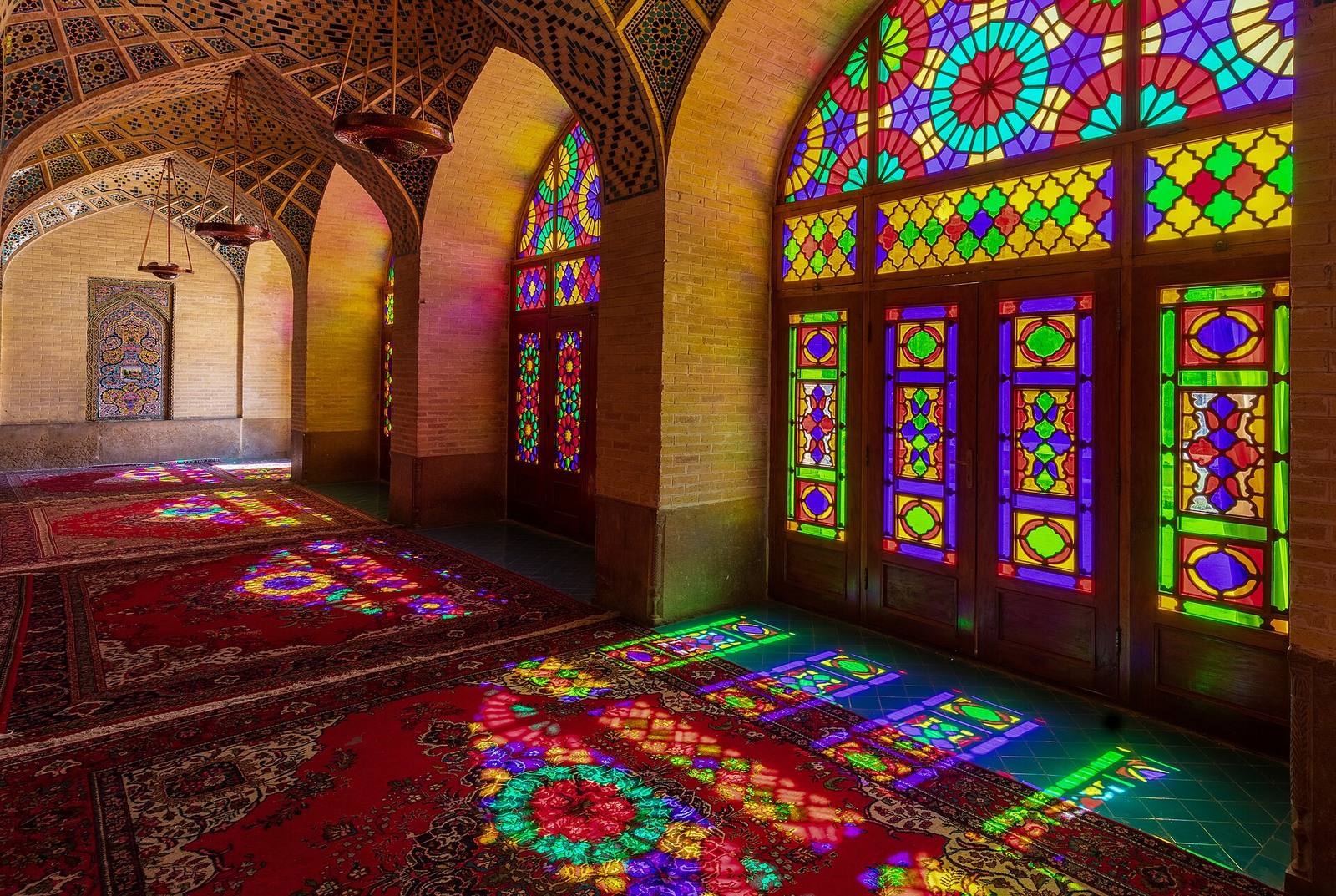
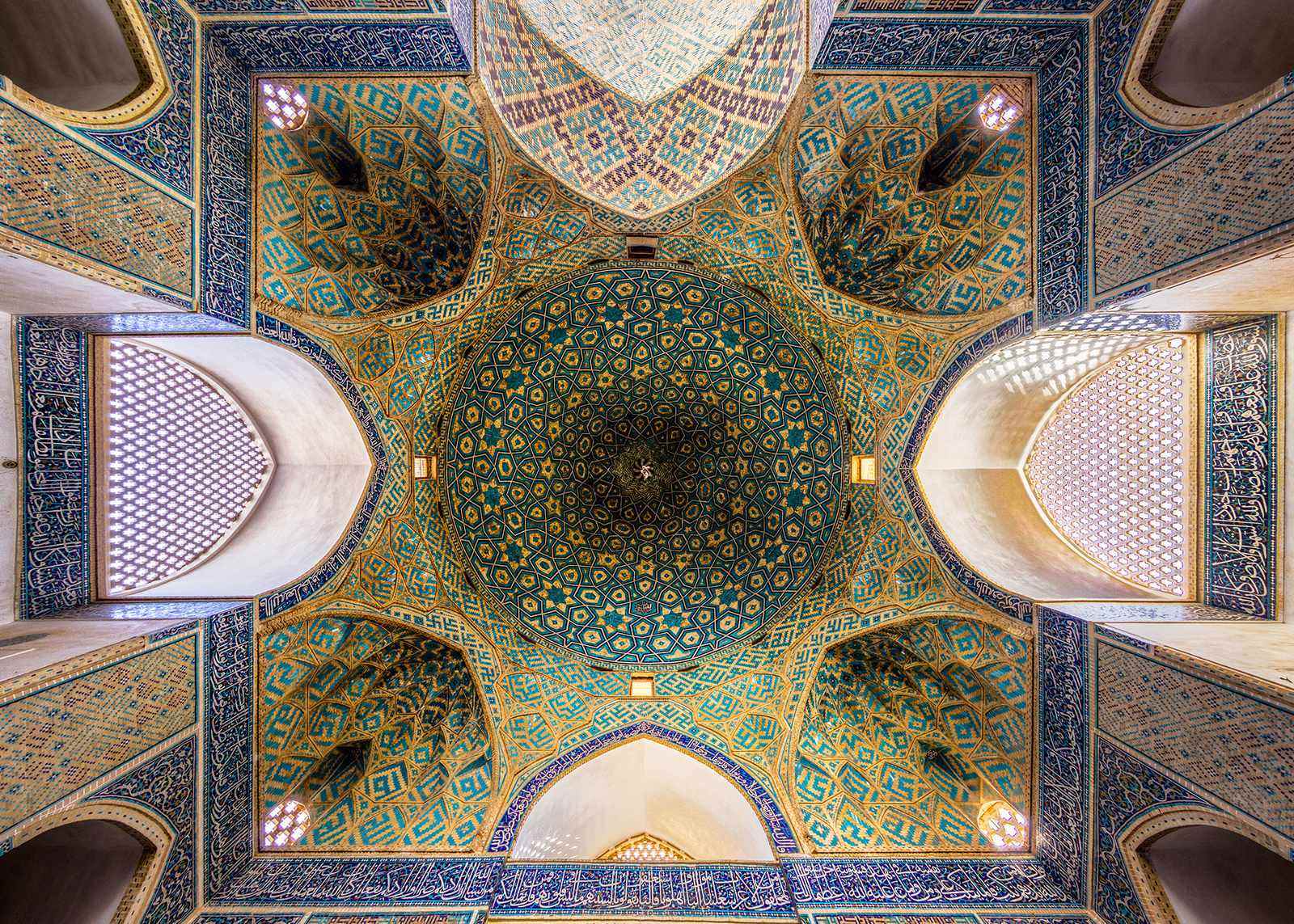
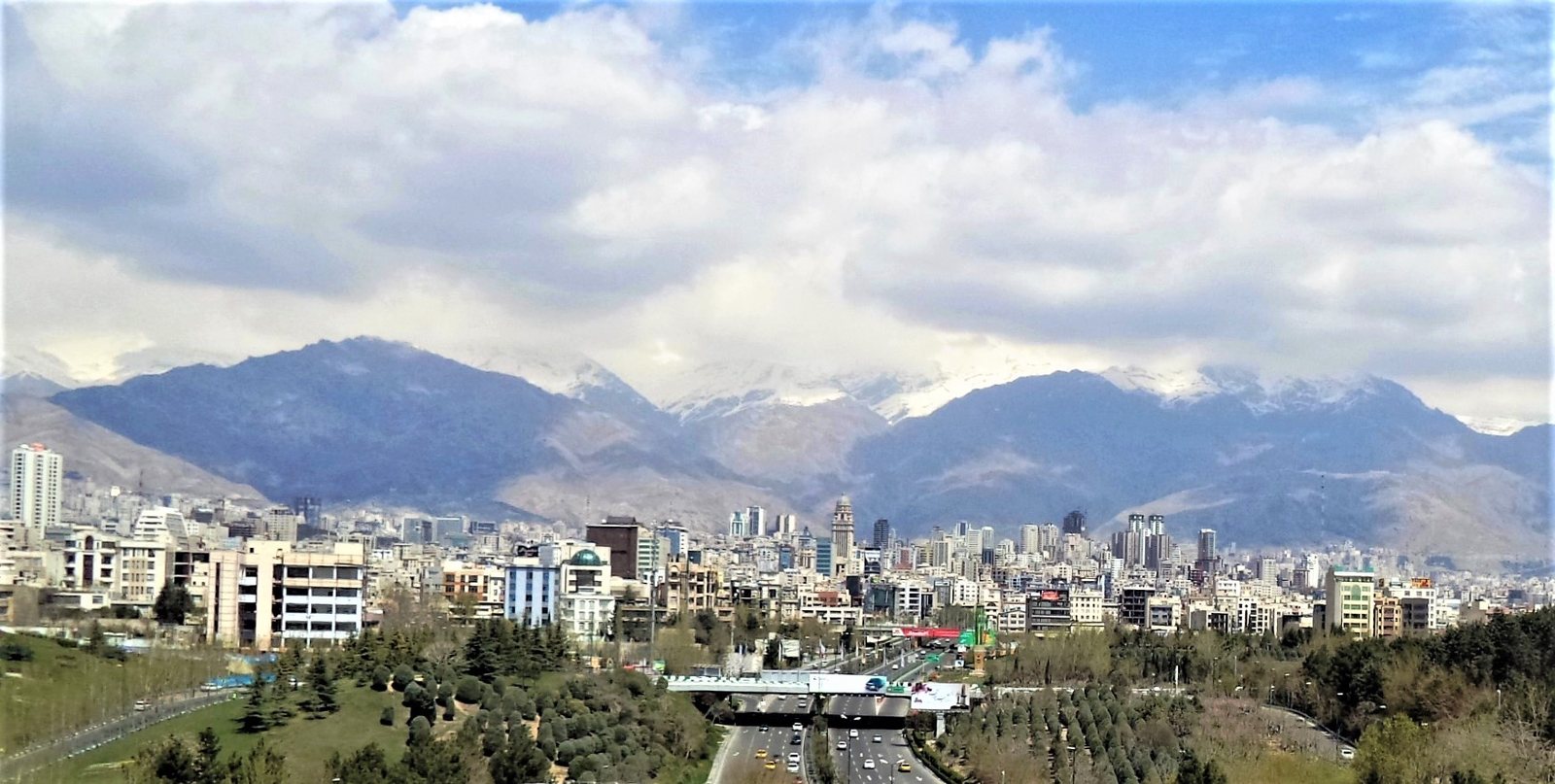
Almost every trip to Iran starts or ends here. Tehran has the main international airport, the widest choice of hotels and the government offices that visitors sometimes need. For families in the diaspora it is often where relatives live. It is also worth time on its own terms: the city holds treasures from every period of Persian history, and its northern districts are full of parks, mountain trails and coffee shops.
Golestan Palace and the old south
The south of the city is old Tehran. Golestan Palace, a UNESCO World Heritage site, was the seat of the Qajar kings, and its mirrored halls, tiled courtyards and gardens are the city's most beautiful sight. Next door, the Grand Bazaar is a maze of covered lanes selling carpets, spices, copper, gold and household goods, with mosques and caravanserais tucked inside. Go in the morning, and know that it closes on Fridays.
Nearby are the National Museum of Iran, with finds from Persepolis and earlier, and the Treasury of National Jewels, kept in a vault under the Central Bank with very limited opening days. Check hours before you go.
Museums and modern Tehran
The Tehran Museum of Contemporary Art holds one of the most important collections of Western modern art outside Europe and America, though only parts are shown at a time. The Glass and Ceramics Museum is a small gem in a Qajar era mansion. The former US Embassy, now a museum, shows the revolutionary view of history. The Azadi Tower, built in 1971, marks the western entrance to the city.
The north: Tajrish, Darband and the mountains
North Tehran is cooler, greener and more relaxed. Tajrish has a lively traditional bazaar and the Imamzadeh Saleh shrine. From there, Darband is a short ride up, where a stream runs past teahouses and kebab places on the path into the mountains, a favourite on Friday mornings. The Tochal cable car climbs high into the Alborz, with skiing in winter. Niavaran and Saadabad palace complexes show how the last Shah lived.
For something newer, the Tabiat Bridge links two parks across a motorway and is full of families at sunset. The Iranian Artists Forum and the galleries around central Tehran show contemporary work.
Food
Tehran eats late and well. Try chelo kabab, dizi (a stew pounded at the table), ash reshteh noodle soup and fresh juices. The bazaar has old lunch spots, and the north has every style of café. Many visitors are surprised by how good the coffee culture is.
Getting around
The metro is clean, cheap and the easiest way to cross the city, with women only carriages at the front and back (women may also ride in mixed carriages). Traffic is heavy at almost all hours. Snapp, the local ride hailing app, works well but needs a local number and an Iranian payment method, so many visitors ask their hotel to book. Air pollution can be severe in winter, when schools sometimes close.
Safety
Petty crime is the main day to day issue: bag snatching from motorbikes, and pickpockets in crowds. The serious risk is political. Governments warn that foreigners and dual nationals face a real risk of arbitrary detention. Avoid demonstrations, do not photograph government or military buildings, and read your government's advice before travel. During the June 2025 conflict, airspace closed for days at short notice, so keep plans flexible.
Where to stay
Most visitors stay central, near the museums and metro, or in the north for a quieter feel. Traditional guesthouses are rarer here than in Yazd or Isfahan, so mid-range hotels are the usual choice.
Questions about Tehran
How many days do I need in Tehran?
Two to three days covers Golestan Palace, the Grand Bazaar, the main museums and an evening in the north at Tajrish or Darband. Add a day if you want the Tochal cable car or a slower look at the galleries.
How far is the airport from central Tehran?
Imam Khomeini International Airport is roughly fifty kilometres south of the centre, about an hour by road depending on traffic. A metro line also reaches the airport. Mehrabad Airport, closer in, handles most domestic flights.
Is the Grand Bazaar open every day?
It is busiest from Saturday to Thursday mornings and closes on Fridays and public holidays. Many shops also shut in the early afternoon, so go early.
Is Tehran's air pollution a problem?
It can be, especially on still winter days. If you have asthma or heart conditions, check air quality forecasts and consider spring or autumn visits.
Facts checked . Fees, schedules and entry rules change, so always confirm the latest with the official source.